
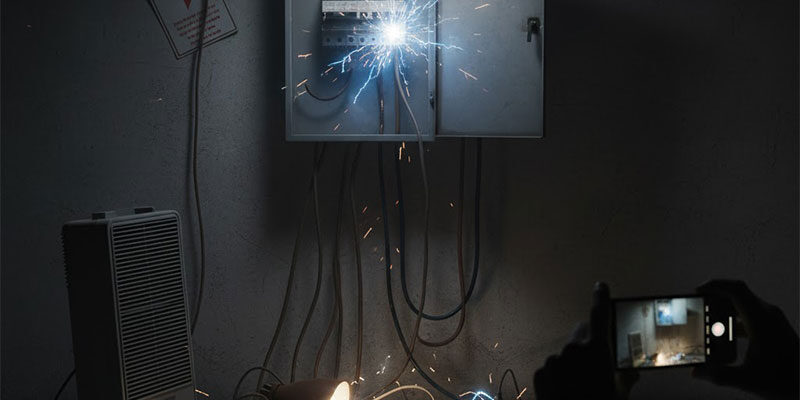
Picture this: It’s July in Sacramento, the thermometer’s pushing 105 degrees, your AC is working overtime, the kids are home from school with every device plugged in, and someone decides now is the perfect time to run the vacuum. Then—click. Half your house goes dark, and you’re standing in front of your electrical panel wondering what just happened.
If this sounds familiar, you’re not alone. Circuit breaker trips are one of the most common electrical issues I see as an electrician serving Sacramento and Placer County. I’m Brandon, one of the owners and lead electrician at Magic Sun Electric, and I’ve spent years troubleshooting these issues in homes from Folsom to Auburn, Roseville to Fair Oaks, and everywhere in between.
The good news? Most of the time, a tripping breaker is doing exactly what it’s supposed to do—protecting your home. But sometimes, it’s trying to tell you about a bigger problem that needs attention. Let me walk you through what’s happening, why it happens, and when you should stop resetting and start calling for help.
First, Let’s Talk About What’s Actually Happening
Here’s the thing that surprises most homeowners: your circuit breaker is supposed to trip. It’s not a malfunction—it’s a feature, and an important safety feature at that.
Think of your circuit breaker as an automatic safety switch designed to stop electrical flow the moment something goes wrong. It’s protecting your home from electrical fires, damaged appliances, and dangerous overheating. When conditions aren’t safe, it cuts the power before real damage can happen.
Modern circuit breakers replaced the old fuse systems (which you might still find in some older homes in Carmichael, Granite Bay, or Auburn). Unlike fuses that had to be replaced after they "blew," breakers can simply be reset. But just because you can reset them doesn’t mean you should always just flip the switch and move on.
Your breaker is basically the bouncer at a nightclub—when things get too hot or too crowded, someone’s getting kicked out. The question is: why did things get too hot or crowded in the first place?
For more information on how electrical systems keep your home safe, the National Fire Protection Association (NFPA) offers excellent resources on electrical fire prevention.
The Most Common Culprits: Why Your Breaker Trips
Overloaded Circuits (The #1 Reason)
This is the most common reason breakers trip, and it’s pretty straightforward: you’re trying to pull more electrical power through a circuit than it’s designed to handle.
Think about a typical summer day in Roseville or Citrus Heights. Your central AC is running constantly, you’ve got a window unit going in the home office, ceiling fans spinning in every room, and maybe a portable fan for good measure. Add in the normal stuff—refrigerator, TV, computers, phone chargers—and suddenly that 15-amp or 20-amp circuit is working harder than it was ever meant to.
Here are the usual suspects I see in homes throughout Sacramento and Placer County:
Kitchen overloads: Running your microwave, toaster, and coffee maker at the same time while the refrigerator compressor kicks on. Kitchens are notorious for this because we tend to use multiple high-wattage appliances simultaneously.
Home office circuits: With more people working from home, I’m seeing this constantly. Desktop computer, two monitors, printer, router, phone charger, desk lamp, and maybe a space heater in winter or fan in summer—all on one circuit.
Garage workshops and holiday lights: Extension cords running power tools, or those elaborate holiday light displays that would make Clark Griswold proud.
Here’s something important to understand: many older homes in Fair Oaks, Carmichael, and Orangevale were built in the 1960s, 70s, or 80s when our electrical demands were a fraction of what they are today. These homes might have far fewer circuits than a modern home, trying to serve the same space with the same number of outlets but much less capacity. We’re asking 50-year-old electrical systems to power smartphones, electric vehicles, smart home devices, and modern appliances they were never designed for.
Short Circuits
A short circuit happens when a hot wire touches a neutral wire, creating a path of least resistance that sends way too much current through your system. This causes your breaker to trip immediately—and that’s a very good thing.
Warning signs of a short circuit include:
- The breaker trips the instant you reset it
- A burning smell near outlets or the panel
- Visible scorch marks or discoloration around outlets
- Buzzing or sizzling sounds
Short circuits are more serious than simple overloads. They can be caused by damaged wire insulation (sometimes from rodents, unfortunately common in attics throughout our area), loose wire connections, or faulty appliances. This isn’t a "maybe I’ll deal with it later" situation—this needs professional attention.
Ground Fault Issues
You know those outlets in your bathroom and kitchen with the little "test" and "reset" buttons? Those are Ground Fault Circuit Interrupter (GFCI) outlets, and they’re incredibly sensitive safety devices. They detect even tiny imbalances in electrical current and shut off power in milliseconds—fast enough to potentially save your life if you’re touching something you shouldn’t.
GFCIs are required in areas where water and electricity might meet: bathrooms, kitchens, outdoor outlets, garages, and near pools. They can trip for legitimate reasons (a small appliance developing a ground fault) or sometimes from power fluctuations. Speaking of which, if you’ve experienced any PG&E power surges in your area, these sensitive circuits might trip as a protective response.
During our rainy season here in Northern California, I see more GFCI trips from outdoor outlets in Lincoln, Newcastle, and other areas—moisture infiltration can cause these to trip even without obvious water contact.
Arc Fault Circuit Interrupter (AFCI) Trips
If you’ve had electrical work done recently or live in a newer home, you might have Arc Fault Circuit Interrupters (AFCIs) in your bedrooms and other living areas. These are required by code in updated homes and new construction, and they’re designed to detect dangerous electrical arcing that could start a fire.
AFCIs are incredibly sensitive—which is good for safety, but sometimes frustrating for homeowners. They can trip from old appliances, damaged power cords, certain vacuum cleaners, or even some dimmer switches. If you’re experiencing frequent AFCI trips, it’s worth having a professional track down the source rather than constantly resetting.
The Breaker Itself Is Worn Out
Here’s something most homeowners don’t realize: circuit breakers don’t last forever. They’re mechanical devices with metal components that heat up and cool down constantly. Over time, they wear out. Most breakers are good for 25-40 years, which means if you’re in one of the beautiful older homes in Auburn, Granite Bay, or Folsom, your breakers might be approaching retirement age.
Signs of a worn-out breaker include:
- The breaker feels loose or won’t stay in the "on" position
- It trips with no apparent cause or pattern
- The breaker itself feels hot (not just warm, but hot)
- Visible damage or corrosion on the breaker
"A PG&E power surge blew out a circuit and they quickly diagnosed the problem and FIXED it. They also installed a ceiling fan for us. Fast and Professional."
— Steve H., Rocklin, CA
Red Flags: When Tripping Breakers Signal Bigger Problems
While many breaker trips are annoying but harmless, some are warning signs of serious electrical problems. Here’s when you need to stop troubleshooting and call a professional electrician:
Frequent, repeated tripping: If the same breaker trips more than once a month, something’s wrong. Either you have a persistent overload that needs additional circuits, or there’s a problem with the circuit itself.
Multiple breakers tripping at once: This can indicate a problem with your main panel, service entrance, or even issues with the power supply itself.
Hot electrical panel or breakers: Your panel should never feel hot to the touch. Warm is okay during heavy use, but hot means dangerous resistance or poor connections. This is a serious fire hazard—shut off the main breaker and call immediately.
Burning smell near the panel: Never ignore this. Electrical fires often start in panels and walls where you can’t see them. If you smell burning plastic or that distinctive electrical burning smell, this is an emergency.
Visible damage: Scorch marks, melted plastic, rust, or corrosion on your panel or breakers mean it’s time for a professional inspection at minimum, and possibly a panel replacement.
Your system is just too old: Many homes built in Sacramento and Placer County before 1990 have 100-amp electrical service. That was adequate back then, but modern homes typically need 200-amp service—sometimes even 400-amp for larger homes with electric vehicle chargers, pool equipment, and modern HVAC systems. If you’re constantly juggling what can be on at the same time, you might simply need a panel upgrade.
After PG&E power surges: Power fluctuations can damage circuit breakers or reveal hidden problems in your electrical system. If tripping starts after a surge event, have your system inspected.
You keep replacing breakers with larger ones: This is dangerous and against electrical code. If a 15-amp breaker keeps tripping, the answer is never to install a 20-amp breaker. The circuit’s wiring is rated for 15 amps—upsizing the breaker just means the wire will overheat before the breaker trips, creating a fire hazard.
For more technical details about electrical safety requirements, you can check out resources from the Consumer Product Safety Commission (CPSC).
If you’re experiencing any of these warning signs, our FAQ & Resources page has additional information that might help, but don’t hesitate to reach out directly.
What You Can (And Definitely Can’t) Do Yourself
Let me give you some safe troubleshooting steps you can try before calling for help:
1. Identify which circuit tripped: Open your electrical panel and look for the breaker that’s in the "off" position or in a middle position between on and off. Hopefully, your panel is labeled (and if it’s not, that’s a project for another day—or a service we can help with).
2. Unplug everything on that circuit: Before resetting the breaker, remove the electrical load by unplugging devices or turning off switches on that circuit.
3. Reset the breaker properly: Move it fully to the "off" position first (you should hear or feel a click), then move it back to "on." Don’t just wiggle it—make sure it fully resets.
4. Plug things back in one at a time: This helps identify if one specific appliance or device is causing the problem.
5. Redistribute the load: If you’ve got too many things on one circuit, move some devices to outlets on different circuits. Your home office might need to spread across two circuits instead of one.
Now, here’s what you absolutely should NOT do:
- Don’t keep resetting the breaker without investigating why it’s tripping
- Don’t tape a breaker in the "on" position (yes, I’ve seen this—please don’t)
- Don’t replace a breaker with a higher-amp rating without professional assessment
- Don’t ignore burning smells or hot panels
- Don’t open the panel cover yourself unless you’re trained and comfortable working with electricity
I’ve seen some creative "fixes" over the years, and let’s just say that duct tape and circuit breakers don’t mix. If you’re not comfortable working around your electrical panel, that’s completely normal and smart. This stuff can be dangerous—there’s no shame in calling a professional. That’s what we’re here for.
Sacramento & Placer County Considerations
Working throughout our region for years, I’ve noticed some local factors that make circuit issues more common:
Summer heat and AC load: Sacramento summers are brutal. When temperatures hit 105+ degrees in Rancho Cordova, Folsom, or Rocklin, air conditioning systems work overtime. This is when I get the most calls about tripping breakers—your AC might be sharing a circuit with other devices, or your 100-amp service just can’t keep up with the demand.
Older home stock: Many of our most charming homes in Fair Oaks, Carmichael, and Auburn were built decades ago when households used far less electricity. No computers, no home theaters, no EV chargers, often no central AC. These homes need electrical updates to handle modern life.
PG&E power quality: Power surges and fluctuations aren’t uncommon in our area. These events can stress electrical systems, damage sensitive electronics, and sometimes reveal underlying problems in your home’s wiring.
EV chargers: More families in Roseville, Granite Bay, and throughout the region are adding electric vehicles. Level 2 EV chargers require dedicated 240-volt circuits and can draw 30-50 amps. Many older homes need panel upgrades to support this additional load. The good news? There may be rebates and incentives available for electrical upgrades that support EV charging.
Home additions and remodels: As families grow, homes expand. But if you’re adding square footage without updating your electrical service, you’re asking your electrical system to do more with the same capacity it’s always had.
Pool and spa equipment: Common throughout Sacramento and Placer County, pools and spas require dedicated circuits and proper GFCI protection. These are significant electrical loads that need to be properly integrated into your home’s system.
"It’s really hard to find great electricians who are top professionals and can figure out and solve problems so easily. Chad and the folks at Magic Sun are those kind of people! Great value, great service and I would highly recommend them to anyone living in Placer County. They’ve done our yard outdoor lighting, indoor ceiling fans, multiple TV Mounts and installs, and we are so pleased with how everything has turned out. They even fixed some issues we had with our circuit box, and also outdoor fountain."
— Dan D., Granite Bay, CA
How Magic Sun Electric Can Help
With my C10 electrical contractor license and NABCEP certification, I take electrical safety seriously. When you call Magic Sun Electric about tripping breakers, we don’t just reset them and hope for the best. We take a thorough approach:
Complete diagnosis: We identify the root cause of the problem, not just the symptoms. Is it an overload that needs redistribution? A short circuit that needs repair? Or a panel that needs upgrading?
Clear explanation: I’ll walk you through what we find and why it matters. You deserve to understand what’s happening in your home.
Options and solutions: Sometimes there’s a quick fix. Sometimes the best solution is a more comprehensive upgrade. We’ll give you options with transparent pricing so you can make the decision that’s right for your home and budget.
Our electrical services that address circuit breaker issues include:
- Circuit troubleshooting and repair
- Panel upgrades from 100-amp to 200-amp or 400-amp service
- Adding dedicated circuits for appliances, EV chargers, and specific areas
- GFCI and AFCI installation and repair
- Whole-home electrical safety inspections
- Load balancing for older homes
- Panel labeling and documentation
We serve homeowners throughout Sacramento and Placer County—from Sacramento to Auburn, Roseville to Folsom, Lincoln to Rancho Cordova, and everywhere in between. We’re based in Loomis and proud to serve our local community.
Don’t Ignore What Your Electrical System Is Telling You
Circuit breakers trip for a reason. Sometimes it’s a simple overload that’s easy to fix. Sometimes it’s your electrical system telling you it needs help to keep your home safe.
The key is knowing the difference—and knowing when to ask for professional help.
As a homeowner in Sacramento or Placer County, you deserve an electrical system that works reliably and safely, whether you’re running your AC on the hottest summer day, charging your electric vehicle, or just trying to make breakfast without resetting breakers.
If your breakers keep tripping, or you’re seeing any of the red flags we discussed, let’s talk. I’m happy to answer your questions, provide a free assessment of your electrical panel capacity, and give you a transparent estimate for any work you might need.
We pride ourselves on quick response times, professional service, and treating every home like it’s our own. Your safety and peace of mind are worth getting this right.
Ready to solve your electrical issues once and for all?
Call Magic Sun Electric at (916) 794-0448 or contact us online for a free estimate. We’ll get your electrical system working the way it should—safely, reliably, and with the capacity to handle everything your modern home demands.
Stay safe out there, and remember: your electrical system is trying to protect you. Let’s make sure it has the support it needs to do its job right.
Brandon is a C10 licensed electrical contractor and NABCEP certified professional with Magic Sun Electric, serving residential and commercial clients throughout Sacramento and Placer County. With years of experience troubleshooting electrical issues in the region, he’s helped hundreds of homeowners solve their electrical challenges safely and efficiently.