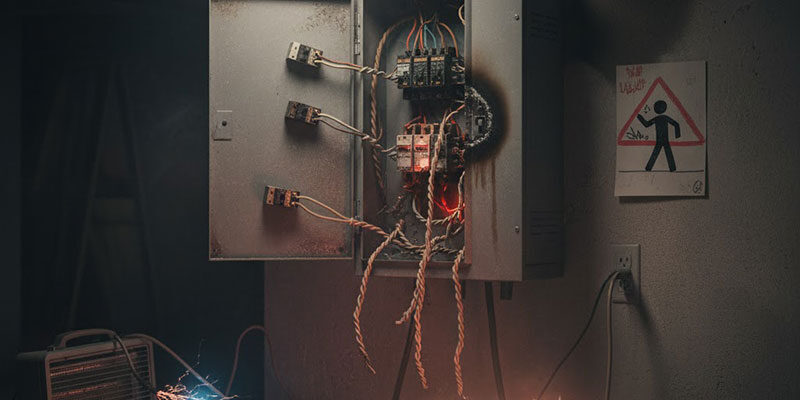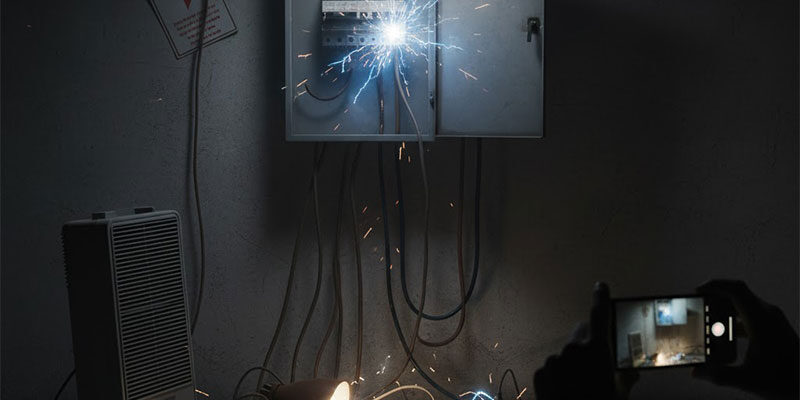
From diagnosing flickering lights to upgrading outdated electrical panels, we handle electrical repairs and installations throughout Sacramento and Placer County. Our electricians provide upfront pricing on circuit breaker replacements, panel upgrades (100A to 400A+), dedicated circuits for appliances and EVs, and whole-home rewiring. Whether your home in Roseville needs a service panel upgrade or your Rocklin business requires new circuits, we’ll assess your electrical system and recommend solutions that meet current code requirements.

Magic Sun Electric Blog Post

Selling Your Sacramento Home? Electrical Upgrades That Boost Property Value

You’re preparing to sell your home. The realtor is lined up, you’ve got fresh paint on the walls, landscaping looks great, and you’re planning professional staging. But have you considered your home’s electrical system? In Sacramento’s competitive real estate market, electrical issues discovered during home inspections can derail sales, reduce offers by thousands of dollars, or at minimum create delays and stress you don’t need.

I’m Brandon from Magic Sun Electric, and I work with many homeowners preparing to sell their homes in Sacramento and Placer County. I’ve seen deals nearly fall apart over outdated electrical panels. I’ve watched buyers negotiate thousands off the asking price after inspections reveal missing GFCI protection or aluminum wiring. And I’ve helped sellers strategically upgrade their electrical systems before listing, turning potential liabilities into selling points.

Let me walk you through what home inspectors look for, which electrical upgrades actually boost your property value, what prevents deal-breaking issues, and how to position your home’s electrical system as an asset rather than a liability. Whether you’re in an older home in Carmichael or Fair Oaks, or a newer property in Roseville or Granite Bay, understanding the electrical considerations for home sales can make a significant difference in your outcome.

What Home Inspectors Look For in Your Electrical System

Home inspectors scrutinize electrical systems closely, and they find issues in the majority of older homes. These discoveries can tank deals entirely, significantly reduce offers, or result in buyers demanding repairs or substantial credits. It’s far better to address potential issues proactively than to discover them during the inspection period when you have less negotiating leverage.

Common Red Flags That Inspectors Flag

Outdated electrical panels are perhaps the biggest red flag. Federal Pacific Electric (FPE) and Zinsco panels are known to have safety defects and will almost certainly be flagged. Old fuse boxes signal that the home’s electrical system hasn’t been updated in decades. Insufficient amperage—typically 60 or 100-amp service in older homes—tells buyers the electrical system can’t support modern life.

Aluminum wiring, common in homes built in the 1960s and 70s throughout Carmichael, Fair Oaks, and other established Sacramento neighborhoods, requires special handling and often concerns buyers and their lenders. Knob-and-tube wiring in very old homes in Auburn and older Sacramento neighborhoods is an immediate issue that lenders may refuse to finance until corrected.

Missing GFCI protection in kitchens, bathrooms, outdoor areas, and garages violates current code and represents a safety issue. Ungrounded outlets—those old two-prong outlets—date your home and create safety concerns for modern electronics. DIY electrical work that’s unpermitted or obviously unsafe will be called out. Overloaded circuits, outdated wiring methods, and missing or incorrectly installed smoke and carbon monoxide detectors all appear in inspection reports.

Sacramento-Specific Considerations

Many homes in established Sacramento and Placer County areas were built in the 1960s through 1980s and still have their original electrical systems. Modern buyers expect modern electrical systems that can handle today’s demands—home offices, multiple devices, electric vehicle chargers, smart home systems. In Sacramento’s competitive real estate market, homes need to show well, and outdated electrical systems work against you.

The Real Cost of Electrical Issues

When inspections reveal electrical problems, buyers typically request repairs or price reductions to cover the cost of fixes plus contingency. Deals get delayed while issues are negotiated and addressed. Sometimes deals fall through entirely when buyers get spooked by significant electrical problems. It’s almost always better to address issues proactively before listing rather than negotiating from a position of weakness after an inspection.

Learn more about our comprehensive electrical services on our electrical services page.

High-ROI Electrical Upgrades Before Listing Your Home

Some electrical upgrades genuinely add value to your home while also preventing inspection issues. Here are the upgrades that deliver the strongest return on investment for Sacramento area home sellers:

Electrical Panel Upgrades: The Foundation

Outdated electrical panels are major red flags for buyers and inspectors. Upgrading from 60 or 100-amp service to 200-amp service addresses a fundamental concern and supports modern electrical demands. Buyers expect adequate electrical capacity for their needs—multiple computers, smart home devices, electric vehicle chargers, modern appliances.

The ROI on panel upgrades often approaches 100% in Sacramento’s market, particularly for older homes. Beyond the financial return, it prevents inspection issues that could otherwise derail your sale. You can market this as a selling point: “Recently upgraded to 200-amp electrical panel” tells buyers the home is ready for modern life.

This upgrade is particularly essential for older homes throughout Sacramento and Placer County where original 60-100 amp panels are common.

GFCI Outlet Installation: Code Compliance Matters

Current electrical code requires GFCI protection in kitchens, bathrooms, outdoor areas, garages, and other locations where water and electricity might meet. Older homes frequently lack this protection, and inspectors will flag it every time.

GFCI outlet installation is relatively inexpensive but has significant impact. It demonstrates that your home meets current safety standards. It’s an easy selling point that shows the home has been properly maintained. For the modest cost, you prevent a guaranteed inspection issue and show buyers you’ve taken care of the property.

Grounded Outlets Throughout Your Home

Three-prong grounded outlets are expected in modern homes. Two-prong outlets immediately date your home and raise safety concerns for modern electronics. Upgrading to grounded outlets throughout is relatively affordable and makes your home feel current rather than dated.

Buyers plugging in their phone chargers during showings shouldn’t encounter two-prong outlets that send a message that the home’s electrical system is decades old.

Modern Lighting and Fixtures

Lighting makes a tremendous difference in how your home shows. Modern lighting fixtures replace dated 1980s-90s styles that scream “old home.” LED lighting throughout signals energy efficiency and low operating costs. Recessed lighting in kitchens and living areas provides contemporary appeal. Under-cabinet kitchen lighting adds both function and a high-end feel. Quality outdoor lighting enhances security and curb appeal. Landscape lighting highlights your property and creates inviting evening ambiance.

First impressions matter in real estate, and lighting is a major component of those impressions. Updated lighting helps your home show better and signals to buyers that the home has been cared for and updated.

Smart Home Features: Modern Buyers Expect Technology

Smart thermostats like Nest or Ecobeat demonstrate energy consciousness and provide real data on energy savings. Smart switches in key areas show the home is tech-ready without requiring comprehensive automation. Smart doorbell cameras combine security with modern convenience.

These features appeal particularly to younger buyers who expect smart home capability. They’re relatively affordable to add and signal that your home is modern and move-in ready. Energy efficiency is a genuine selling point, especially in Sacramento where summer cooling costs are substantial.

EV Charger Installation: California’s Electric Future

California leads the nation in electric vehicle adoption. In higher-end areas like Roseville, Granite Bay, and Folsom, many buyers already own or plan to purchase an EV. A pre-installed Level 2 charger can be a significant differentiator in the market. Even having “EV ready” wiring installed—meaning the dedicated 240-volt circuit is run to the garage, ready for charger installation—adds appeal.

The ROI varies by neighborhood and price point, but the trend is unmistakably toward EV adoption. For homes in areas where EVs are common, this can genuinely influence buyer decisions.

Outdoor Electrical Upgrades

Adequate outdoor outlets with proper GFCI protection, quality security lighting, professional landscape lighting, and pool or spa equipment that’s up to code all contribute to curb appeal and functionality. Remember that buyers often drive by properties before scheduling showings—outdoor lighting and well-lit entries make positive impressions.

“Magic Sun Electric is an outstanding company. Chad Hurlock is so responsive. The electricians who came to replace two panels (as well as a few other items) were the most respectful, intelligent, fair and professional electricians. My number one priority was safety (in a very old home) and at every step of the repair process Chad’s team consulted me.”

— Stacy H., Rocklin, CA

Upgrades That Prevent Deal-Breakers

It’s important to distinguish between upgrades that add value above your asking price and upgrades that prevent issues which could reduce offers or kill deals. Some electrical work doesn’t necessarily boost your home’s value, but it prevents value loss—and that’s equally important.

Addressing Safety Issues

If your home has knob-and-tube wiring or aluminum wiring, you’ll likely need to address this before sale. Fixing obvious DIY electrical work that’s unpermitted or unsafe prevents red flags. Correcting code violations ensures you won’t face demands for repairs or credits. Installing proper smoke and carbon monoxide detectors throughout meets basic safety requirements.

These upgrades don’t add value above market rates, but they prevent problems that could reduce your selling price or eliminate potential buyers whose lenders won’t approve loans for homes with significant electrical deficiencies.

Bringing Systems to Current Code

Proper GFCI protection throughout, adequate grounding in all areas, sufficient circuits for your home’s size, safe outdoor electrical installations, and arc-fault protection where required by current code—these are all baseline expectations. Homes that don’t meet these standards face negotiation challenges.

The Financial Calculation

Addressing electrical issues before listing means you control the cost and timing. You choose the contractor, manage the budget, and complete work on your schedule. If inspectors find issues after you’ve accepted an offer, you’re negotiating from weakness. Buyers often request more extensive repairs than necessary or demand credits exceeding actual repair costs. Better to address known issues proactively.

What Not to Overdo

Don’t upgrade beyond your neighborhood’s standards. A $400,000 home doesn’t need $15,000 in premium smart home automation—you won’t recoup that investment. Focus on safety, functionality, and meeting modern standards rather than luxury features. Match market expectations for your specific area and price point.

Sacramento Real Estate Market Considerations

Buyer expectations vary significantly across Sacramento and Placer County based on location and price point.

Established Neighborhoods

In areas like Carmichael, Fair Oaks, Auburn, and Orangevale where many homes date to the 1960s-80s, buyers expect to see updates in older homes. Electrical systems in these neighborhoods are often original, and addressing this creates a competitive advantage. Updated electrical signals to buyers that the home has been properly maintained and won’t require immediate major investments.

Roseville, Granite Bay, and Folsom

These higher price point areas come with elevated buyer expectations. Modern amenities aren’t optional—they’re expected. Smart home features, contemporary lighting, and EV charging capability are increasingly standard expectations. The competition in these areas means every advantage matters when multiple homes vie for buyers’ attention.

Rocklin, Lincoln, and Citrus Heights

These areas feature mixed-age housing stock. Newer homes need to showcase modern electrical, while older homes require updates to compete effectively. Buyers comparing a 1970s home with original electrical against a similar home with updated systems will favor the updated property.

Investment and Rental Properties

Investors and landlords particularly avoid deferred maintenance. They calculate potential costs carefully, and electrical issues discovered during inspection dramatically reduce their offers. Safety and code compliance are critical for rental properties. Electrical deficiencies give investors significant negotiating leverage.

Current Market Dynamics

Sacramento’s real estate market remains competitive in many areas and price ranges. Buyers have choices, which means homes need to show well and present minimal concerns. Electrical issues discovered during inspection give buyers negotiating leverage at precisely the moment you want to maintain a strong position. Proactive upgrades keep you in control of the transaction.

Updated electrical systems can support higher appraisals by demonstrating that the home is well-maintained and ready for modern use. Energy-efficient features like LED lighting and smart thermostats appeal to cost-conscious buyers who calculate monthly ownership expenses.

For more information about energy-efficient home features and their value, Energy Star provides resources on how energy improvements affect home value.

Timing: When to Complete Electrical Upgrades

The timing of electrical upgrades significantly affects your outcome and negotiating position.

Before Listing: The Ideal Approach

Completing electrical upgrades before listing gives you maximum advantage. Address all known issues, complete major upgrades like panel replacements, obtain all permits and pass inspections, and have complete documentation ready to provide buyers. You can actively market the upgrades as selling points, and you maintain the strongest possible negotiating position.

Some sellers pursue a pre-inspection strategy, hiring an inspector before listing to identify issues early. This allows you to address problems before buyers discover them, and you can disclose proactively with documentation showing you’ve handled any issues responsibly.

After Offer: Less Advantageous

If inspections reveal electrical issues after you’ve accepted an offer, you’re negotiating from a weaker position. Buyers may request more extensive work than actually necessary. Delays in addressing issues can push closing dates and create stress. In some markets and situations, it’s better to address known issues before listing even if it means delaying your listing date slightly.

Cost-Benefit Analysis

Major safety issues absolutely must be addressed—there’s no question about rewiring if you have knob-and-tube wiring or addressing Federal Pacific panels. Value-adding upgrades should be evaluated based on ROI in your specific market—discuss with both your realtor and an electrician. Cosmetic electrical updates like modern lighting fixtures should be completed if your existing fixtures are dated. Consult with your real estate agent and a licensed electrician to determine which upgrades make sense for your specific situation.

Documentation Protects Your Investment

Keeping thorough records of all electrical work provides multiple benefits when selling your home.

Maintain Complete Records

Keep copies of all permits pulled and certificates of completion, inspection certificates from the building department, receipts and invoices from all electrical work, warranty information for equipment and labor, and before-and-after photos of major projects.

This documentation demonstrates that work was completed properly by licensed contractors. It provides buyer confidence that they’re purchasing a home that’s been professionally maintained. It supports your asking price by showing the value of investments you’ve made. It smooths the closing process by preemptively answering questions. And it protects against future disputes about what work was completed and by whom.

What to Provide Buyers

Be prepared to provide electrical panel specifications and age, complete permit history for electrical work, transferable warranty information, maintenance records for major systems, and documentation of upgrades completed. Organized documentation presents you as a responsible homeowner who has maintained the property properly—exactly the impression you want to make.

Energy Efficiency as a Selling Point

Today’s buyers pay attention to operating costs, and energy-efficient features genuinely influence purchase decisions.

Electrical Upgrades That Reduce Operating Costs

LED lighting throughout your home uses a fraction of the energy of older bulbs. Smart thermostats reduce heating and cooling costs—particularly valuable in Sacramento where summer air conditioning represents a major expense. A 200-amp electrical panel that’s “solar ready” appeals to environmentally conscious buyers considering future solar installation. Whole-home energy monitoring systems that track usage help buyers understand and optimize their consumption.

Marketing the Savings

Don’t just make the upgrades—market them. Language like “Recently upgraded to energy-efficient LED lighting throughout,” “Smart thermostat reduces cooling costs by up to 20%,” or “200-amp panel supports future solar installation” communicates tangible value. If you have documentation of actual monthly savings, share it. Sacramento’s summer cooling costs make energy efficiency particularly relevant—buyers care about what their summer electric bills will be.

“They installed power to my new gate openers, and for a new carport. This involved underground conduit, wire, and connections. Chad’s on-location consult was prompt and informative, and he continued to remain responsive to my texts when I had several questions. His team did the work timely and gave me good advice. The work appears to be of high quality.”

— Alec S., Granite Bay, CA

What Buyers at Different Price Points Expect

Electrical expectations vary significantly by price range in Sacramento’s market.

Entry-Level Homes ($400,000-$600,000)

Buyers at this price point primarily need safe, functional electrical systems that meet code. They expect basic modern updates like GFCI protection and grounded outlets throughout. Luxury features aren’t necessary, but safety and functionality are non-negotiable.

Mid-Range Homes ($600,000-$900,000)

These buyers expect updated electrical systems with adequate capacity, some smart home features showing the home is current, modern lighting throughout, and consideration for EV charging capability even if not yet installed. Competition in this price range means electrical upgrades can differentiate your property.

High-End Homes ($900,000+)

At higher price points, comprehensive smart home capability, high-end lighting design, installed EV charging, whole-home automation systems, and everything modern and premium become expected rather than optional. Buyers at this level compare your home against others with these features—you need to match or exceed market standards.

Investment and Rental Properties

Investors prioritize safety and reliability above aesthetics. Code compliance is essential—they can’t rent properties with violations. Durable systems matter more than luxury finishes. Energy efficiency reduces their operating costs, which directly affects their investment returns.

How Magic Sun Electric Helps Home Sellers

We understand the unique electrical considerations for home sales and work regularly with homeowners preparing to list their properties.

Our Pre-Sale Electrical Services

We provide comprehensive electrical system assessments identifying potential inspection issues before buyers’ inspectors find them. We recommend value-adding upgrades based on your budget and market positioning. We prioritize projects to maximize impact within your budget and timeline. And we provide transparent pricing so you can plan your pre-sale investment effectively.

Comprehensive Electrical Upgrades

We handle electrical panel upgrades from outdated systems to modern 200-amp service, GFCI installation throughout your home, grounding and rewiring as needed, complete lighting upgrades both indoor and outdoor, smart home feature installation, EV charger installation or “EV ready” circuit preparation, all necessary permits and inspections, and complete documentation for buyer confidence.

Fast Turnaround for Sellers

We understand the time pressure of preparing homes for sale. We schedule efficiently to meet your listing timeline, complete professional and clean work that’s ready to show, and get you to market quickly without compromising quality.

Working With Real Estate Professionals

We work with real estate agents throughout Sacramento and Placer County regularly. We understand what buyers expect in different neighborhoods and price points. We know what home inspectors commonly flag. And we help price upgrades appropriately based on market conditions and expected returns.

We serve the entire Sacramento and Placer County region—from Sacramento to Auburn, Roseville to Folsom, and all communities in between. Visit our FAQ & Resources page for additional information about electrical systems and home maintenance.

Maximize Your Home’s Value With Strategic Electrical Upgrades

Your home’s electrical system plays a critical role in successful home sales. Inspection issues can derail deals or reduce offers by thousands of dollars. Proactive upgrades strengthen your negotiating position and can add genuine value. Some upgrades prevent value loss, while others create selling points that differentiate your property. Sacramento’s competitive market means every advantage helps when multiple homes compete for buyers.

Proper documentation and permits provide buyer confidence and smooth the transaction process. The electrical work you complete before listing can mean the difference between a smooth sale at your asking price and protracted negotiations with stressed timelines.

Planning to sell your Sacramento or Placer County home? Let’s assess your electrical system before you list. We provide free pre-sale electrical assessments that identify potential inspection issues, recommend strategic upgrades based on your budget and market, prioritize projects for maximum impact, and provide transparent pricing for planning your pre-sale investments.

Our goal is to help you maximize your home’s value and avoid preventable issues that could complicate your sale or reduce your proceeds.

Call Magic Sun Electric at (916) 794-0448 or contact us online to schedule your pre-sale electrical assessment. Whether you need a complete panel upgrade, strategic updates to appeal to modern buyers, or simply want to ensure your home will pass inspection without issues, we’re here to help you achieve the best possible outcome.

Your home’s electrical system can either be a compelling selling point or a deal obstacle. Let’s make sure it’s working for you, not against you, when you list your home.


Brandon is a C10 licensed electrical contractor (License #953640) and NABCEP certified professional with Magic Sun Electric. With extensive experience helping Sacramento and Placer County homeowners prepare their homes for sale, he understands which electrical upgrades deliver the strongest return on investment and prevent common inspection issues.

Magic Sun Electric Blog Post

Winter Electrical Safety: Protecting Your Sacramento Home from Seasonal Hazards

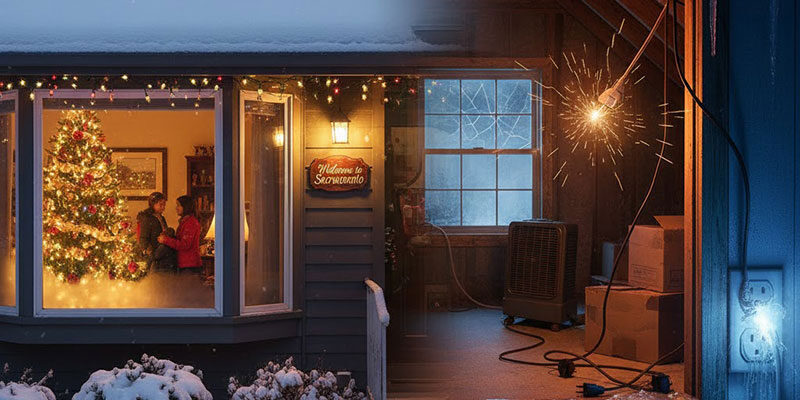
November arrives, temperatures drop into the 40s and 50s, rain becomes a regular visitor, space heaters come out of storage, and holiday lights start appearing on homes throughout Sacramento and Placer County. It’s a season of warmth, celebration, and family gatherings—but it’s also when winter electrical hazards spike dramatically.

I’m Brandon from Magic Sun Electric, and our winter service calls tell a consistent story: space heater-related circuit overloads, holiday lighting creating electrical issues, outdoor outlets exposed to rain causing problems, and power surges when storms knock out electricity then restoration brings it back. Many of these issues are completely preventable with awareness and proper precautions.

Sacramento winters may not match the brutal cold of the Midwest or East Coast, but we face our own electrical challenges. Our rainy season runs from November through March, occasional storms bring wind and lightning, and temperature drops mean supplemental heating throughout the region. While this article focuses on winter concerns most relevant from November through February, many of these electrical safety issues can occur year-round.

Let me walk you through the most important winter electrical safety considerations for Sacramento area homes, starting with the single biggest hazard: space heaters.

Sacramento Winter Weather: What We Actually Face

Sacramento winters bring their own set of conditions that affect your home’s electrical system. Our rainy season delivers consistent precipitation from November through March. Occasional severe storms bring wind that can knock down power lines and lightning that creates surge events. Temperatures drop into the 40s and 50s regularly, occasionally dipping into the 30s during cold snaps. Wet conditions can persist for days or weeks at a time.

These conditions create electrical implications throughout your home. Space heaters supplement central heating, putting additional load on circuits. Holiday lighting exposes outdoor electrical components to wet conditions. More time spent indoors means increased electrical usage overall. Storm-related power outages are followed by restoration surges. Moisture affects outdoor electrical components, outlets, and connections.

Sacramento homes are particularly vulnerable because many older homes in Carmichael, Fair Oaks, and Auburn weren’t designed for heavy supplemental heating loads. Outdoor outlets and lighting may lack proper weather protection. Many homeowners are unfamiliar with managing increased winter electrical loads. The mix of generally mild weather with occasional extremes catches people unprepared for the electrical demands of true winter conditions.

The #1 Winter Electrical Hazard: Space Heaters

Let me be direct: space heaters are involved in 79% of home heating fire deaths according to the National Fire Protection Association. Sacramento fire departments respond to space heater-related incidents every winter. The vast majority of these incidents are completely preventable.

Why Space Heaters Are So Dangerous

Space heaters are dangerous for several reasons. They draw high power—typically 1,500 watts, which is a significant electrical load. They’re often plugged into circuits that are inadequate for that load. People frequently use extension cords with them, which is a major fire hazard. They’re placed too close to combustible materials like curtains, furniture, and bedding. They’re left unattended or running overnight. And many people use old or damaged units that should have been replaced years ago.

Safe Space Heater Use: Electrical Safety

First and foremost: plug space heaters directly into wall outlets. Never use extension cords or power strips with space heaters—the high current draw can overheat the cord and cause fires. Use only one space heater per circuit. Don’t combine a space heater with other high-draw devices like hair dryers, microwaves, or other heaters on the same circuit.

Use only outlets with proper grounding—that means three-prong outlets for three-prong plugs. Check the space heater cord for any damage before each use. If a breaker trips repeatedly when you use a space heater, that circuit cannot safely handle the load. Don’t keep resetting the breaker—call an electrician to assess whether you need a dedicated circuit or if there’s another issue.

Safe Space Heater Use: Placement and Operation

Maintain a three-foot clearance from anything combustible. This means curtains, furniture, bedding, papers, decorations—anything that can burn. Never use space heaters in bathrooms where water and electricity create extreme danger. Place heaters on flat, stable surfaces, never on furniture that could tip over.

Use only modern units with tip-over switches and overheat protection. These safety features can prevent fires if the heater tips over or overheats. Never run space heaters while sleeping or when leaving home. Keep space heaters away from children and pets who might knock them over or get too close.

When to Call an Electrician About Space Heaters

Call us if breakers trip when using a space heater, if you need additional circuits installed for safe space heater use, if outlets feel warm when a space heater is plugged in, if lights flicker when the heater runs, or if you want to add permanent electric baseboard heating as a safer alternative to portable space heaters.

I see too many space heater-related electrical issues every winter. The most common mistake? Plugging a 1,500-watt space heater into a circuit that’s already serving multiple outlets—maybe a bedroom circuit powering a TV, computer, phone chargers, and lamps—then wondering why the breaker trips. If you’re using space heaters, make sure your electrical circuits can handle the load safely.

"Magic Sun Electric is an outstanding company. Chad Hurlock is so responsive. The electricians who came to replace two panels (as well as a few other items) were the most respectful, intelligent, fair and professional electricians. My number one priority was safety (in a very old home) and at every step of the repair process Chad’s team consulted me."

— Stacy H., Rocklin, CA

Holiday Lighting: Safe and Festive

We’re entering the holiday season right now, and homes throughout Roseville, Granite Bay, Folsom, and Sacramento are being decorated with lights. Holiday lighting is festive and beautiful, but it also creates electrical hazards if not done properly.

Common Holiday Lighting Hazards

The most common problems we see are overloaded circuits from excessive decorations, outdoor lights exposed to rain without proper protection, extension cords that aren’t rated for outdoor use, damaged light strings that people use anyway "because they mostly still work," and confusion about which lights and cords are safe for indoor versus outdoor use.

Safe Outdoor Holiday Lighting

Use only lights and extension cords that are specifically rated for outdoor use—they’re designed to handle moisture and temperature extremes. Check all light strings for damage before hanging them. Look for frayed wires, cracked sockets, or loose connections. Don’t overload circuits—check the amperage ratings on your light strings and add them up. A typical 15-amp circuit can handle about 1,440 watts.

Use GFCI-protected outlets for all outdoor decorations. This is required by code and critical for safety. Keep electrical connections off the ground and protected from moisture—elevated connections in weatherproof covers work best. Never staple or nail through cords, which can damage insulation and create shock or fire hazards.

Safe Indoor Holiday Lighting

LED lights are your best choice—they reduce fire risk dramatically and use a fraction of the energy of old incandescent strings. Don’t daisy-chain too many light strings together. Follow the manufacturer’s limits, which are usually printed on the packaging. Keep all holiday lighting away from combustible materials like curtains, paper decorations, and dried greenery.

Turn off holiday lights when leaving home or going to sleep. Check for warm outlets or flickering lights, which indicate overloaded circuits.

Extension Cord Safety

For outdoor use, choose 14-gauge or heavier extension cords that are specifically rated for outdoor conditions. For indoor use, use cords appropriate for the electrical load. Never use cords with fraying, cuts, or any damage. Don’t run extension cords under rugs or through doorways where they can be damaged. Remember that extension cords are for temporary use only—they’re not a permanent wiring solution.

Smart Solutions

Timers prevent leaving lights on all night, reducing both fire risk and energy waste. Smart plugs allow you to control lights remotely from your phone. GFCI outlets are required for outdoor use and provide critical protection against shocks.

Call an electrician if you need additional outdoor outlets for decorations, want permanent holiday lighting circuits installed, have existing outlets that lack GFCI protection, or if breakers trip when you plug in your holiday lighting.

Wet Weather Electrical Concerns

Sacramento’s rainy season runs from November through March, and our outdoor electrical components face extended exposure to moisture. Water and electricity create dangerous combinations—potential for shorts, shocks, and fires.

Outdoor Outlet Protection

GFCI protection is required by code for outdoor outlets, and for good reason. Weather-resistant covers—specifically "in-use" covers that protect outlets even when cords are plugged in—are essential. Proper installation and sealing around outdoor electrical boxes prevents moisture infiltration. Test your GFCI outlets monthly using the test and reset buttons. If outdoor outlets trip frequently during rain, that’s a sign of a problem that needs professional attention.

Common Wet Weather Issues

Standing water near outdoor outlets creates shock hazards. Moisture infiltration into electrical boxes can cause shorts and corrosion. Extension cords lying in puddles or wet grass are extremely dangerous. Damaged weatherproofing allows water entry into electrical components. Corroded connections from repeated moisture exposure reduce safety and reliability.

Pool and Spa Equipment

GFCI protection is absolutely critical for pool and spa equipment. Keep all electrical components as dry as possible. Never use your pool or spa during electrical storms. Have equipment inspected regularly, especially before winter when you might be using your spa more frequently.

Outdoor Lighting and Wiring

Landscape lighting, security lighting, and any outdoor electrical installations need proper weather sealing. Sacramento’s wet winters demand reliable protection for all outdoor electrical components.

Professional Inspection Recommendations

Before winter fully arrives, check all outdoor outlets for damage or corrosion. Test GFCI function on every outdoor outlet. Look for any corrosion or visible damage to outdoor electrical components. Ensure covers are intact and properly sealed. Address any issues before the heavy rains arrive.

We can inspect your outdoor electrical systems, ensure proper GFCI protection throughout, upgrade weatherproofing where needed, and make sure everything is ready for Sacramento’s wet winter months. Learn more about our electrical safety services on our electrical services page.

Storm Preparation and Power Surge Protection

Sacramento winter storms bring wind that knocks down power lines, occasional lightning, tree branches hitting lines, and power outages followed by restoration surges when electricity comes back on.

Before the Storm

The most important preparation is ensuring you have whole-house surge protection installed. When power is restored after an outage, the surge that accompanies restoration can damage unprotected electronics and appliances throughout your home. We covered surge protection extensively in a previous article—if you don’t have whole-house protection, it’s worth considering before winter storms arrive.

Have flashlights and batteries ready so you’re not fumbling in the dark. Know where your main electrical breaker is located. Charge phones and devices when storms are forecast. Consider backup power options for essential devices like medical equipment or refrigeration.

During Power Outages

Turn off or unplug sensitive electronics like computers, TVs, and smart home equipment if you have time before power goes out. Leave one light switched on so you’ll know when power returns. Don’t open your refrigerator or freezer unnecessarily—they’ll maintain temperature longer if you keep them closed.

Never use generators indoors—carbon monoxide poisoning is a real danger. Gas generators must be used outside only, positioned at least 20 feet from your house with exhaust pointing away from all buildings.

When Power Returns

With whole-house surge protection, you don’t need to do anything—the system automatically protects your home from restoration surges. Without surge protection, wait 5-10 minutes before reconnecting sensitive electronics to allow the grid to stabilize. Check GFCI outlets throughout your home, as they may need resetting after power restoration.

Backup Power Options

For urban Sacramento homes, options include portable gas generators (must be used outdoors only, proper ventilation critical), battery backup systems (quiet, safe for indoor use, but limited capacity), and whole-home automatic generators (expensive, more common in rural areas). For most urban Sacramento residents, battery backup for essential devices is the most practical option.

Tree Trimming

Keep trees trimmed away from power lines to prevent outages and dangerous situations. PG&E is responsible for trimming near main power lines, but you’re responsible for vegetation near the service line running from the street to your house.

"It’s really hard to find great electricians who are top professionals and can figure out and solve problems so easily. Chad and the folks at Magic Sun are those kind of people! Great value, great service and I would highly recommend them to anyone living in Placer County. They’ve done our yard outdoor lighting, indoor ceiling fans, multiple TV Mounts and installs, and we are so pleased with how everything has turned out."

— Dan D., Granite Bay, CA

Additional Winter Electrical Concerns

Electric fireplaces present the same circuit load concerns as space heaters—they typically draw 1,500 watts and need adequate circuits. Your HVAC system works harder in winter, and if the system struggles or trips circuits, it needs professional attention. Furnace maintenance should include inspection of electrical components.

More time spent indoors during winter means increased electrical usage. Home offices run all day, entertainment systems get constant use, cooking happens more frequently at home, and the increased overall electrical load may reveal circuit capacity issues you didn’t notice in summer.

This is particularly true for older homes in Auburn, Carmichael, and Fair Oaks that were built when electrical demands were much lower. Adding space heaters and modern loads can overtax circuits that were adequate decades ago. Winter often reveals these inadequacies, making it a good time to assess your electrical system’s capacity.

Indoor moisture is also a winter concern. Attic moisture can affect electrical wiring. Bathroom humidity necessitates working exhaust fans. Moisture infiltration through walls can affect indoor wiring over time. While not as obvious as outdoor wet weather issues, indoor moisture deserves attention.

Sacramento & Placer County Winter Electrical Checklist

Before Winter Arrives (Ideally October/November)

Test all GFCI outlets, both outdoor and indoor. Inspect outdoor electrical components for damage or corrosion. Check holiday lights for damage before hanging them. Ensure space heaters are in good condition or replace old units. Consider whole-house surge protection if you don’t have it installed. Verify that you have adequate circuits for winter electrical loads. Schedule an electrical safety inspection if you have any concerns.

As Winter Arrives

Use space heaters safely following all the guidelines we discussed. Install holiday lighting properly with appropriate equipment and protection. Monitor circuit loads and don’t overload outlets. Keep outdoor electrical connections dry and protected. Have flashlights and batteries ready for potential outages.

During Storms

Unplug sensitive electronics if you have time and it’s safe to do so. Know where your main breaker is located in case you need to shut off power. Never use gas generators indoors—carbon monoxide kills. Wait for power restoration before reconnecting sensitive equipment if you don’t have surge protection.

After Storms

Check GFCI outlets throughout your home and reset them if necessary. Inspect for any visible damage to electrical components. Address any issues immediately rather than waiting for them to worsen.

Professional Assessment

Magic Sun Electric can inspect your electrical system to identify potential winter hazards, ensure adequate capacity for winter loads, install or upgrade surge protection, add circuits if needed for safe space heater use, and ensure proper outdoor GFCI protection. Visit our FAQ & Resources page for additional electrical safety information.

When to Call Magic Sun Electric

Contact us for winter-related electrical issues including breakers tripping from space heaters or holiday lights, needing additional circuits for winter loads, outdoor outlets requiring GFCI protection or improved weatherproofing, lights dimming when heating runs, outlets that feel warm to the touch, burning smells from outlets or switches, or any electrical concerns before winter storms arrive.

We also provide preventive services including whole-house surge protection installation, comprehensive electrical safety inspections, GFCI outlet installation and testing, additional circuit installation for adequate capacity, outdoor electrical weatherproofing, and electrical panel capacity assessments.

Professional electrical service matters for several reasons: safety when working with electricity, code compliance that protects your investment, proper diagnosis of underlying issues, quality materials and workmanship, and peace of mind throughout the winter season.

We serve Sacramento and Placer County with licensed C10 electricians familiar with local conditions and capable of fast response when you need help. From Sacramento to Auburn, Roseville to Folsom, and throughout the region, we’re here to help.

Stay Safe This Winter

Sacramento winters bring specific electrical challenges that every homeowner should understand. Space heaters represent the number one winter fire hazard—use them safely and never with extension cords. Holiday lighting safety matters, especially now as we’re entering peak decorating season. Wet weather demands proper GFCI protection for outdoor electrical components. Storm preparation should include surge protection before power outages occur.

Many winter electrical issues are completely preventable with awareness and proper precautions. While we’ve focused on concerns most relevant from November through February, these safety considerations can arise year-round in our variable California climate.

Don’t wait for an electrical emergency this winter. Let’s make sure your home is ready for winter electrical demands. We offer free electrical safety assessments to identify potential hazards, ensure your system can handle winter loads safely, install surge protection before storms arrive, and provide professional guidance customized to your home’s specific needs.

Call Magic Sun Electric at (916) 794-0448 or contact us by email to schedule your winter electrical safety assessment. Whether you need circuit additions for space heaters, outdoor GFCI installation, surge protection, or simply want peace of mind that your electrical system is winter-ready, we’re here to help.

Winter in Sacramento brings rain, occasional storms, and increased electrical demands. A few simple precautions and professional assessment can keep your family safe and your electrical system reliable all season long.


Brandon is a C10 licensed electrical contractor (License #953640) and NABCEP certified professional with Magic Sun Electric. With extensive experience serving Sacramento and Placer County homes through winter electrical challenges, he helps homeowners stay safe and maintain reliable electrical systems year-round.

Magic Sun Electric Blog Post

Remodeling Your Kitchen? Don’t Forget the Wiring: Why You Need Dedicated Circuits and GFCI Outlets

You’ve been planning your dream kitchen remodel for months. You’ve picked out the perfect cabinets, chosen gorgeous countertops, and selected that professional-grade range you’ve always wanted. Your Pinterest board is overflowing with inspiration, and you’re ready to transform your outdated kitchen into the heart of your home.

But have you thought about what’s behind those walls? Specifically, have you planned for the electrical infrastructure that will power your beautiful new kitchen?

I’m Brandon from Magic Sun Electric, and I can’t tell you how many times I’ve seen stunning kitchen remodels that are electrical nightmares underneath. Homeowners invest thousands in cabinets, countertops, and appliances, then try to run everything on the same inadequate wiring their kitchen had in 1975. The result? Constant breaker trips, safety hazards, code violations, and a kitchen that doesn’t work the way it should.

Here’s the good news: if you’re planning a kitchen remodel, you have a perfect opportunity to update your electrical system while the walls are already open. Let me walk you through why dedicated circuits and GFCI outlets aren’t just nice-to-haves—they’re essential for a safe, functional modern kitchen. And more importantly, planning your electrical needs early saves money, prevents headaches, and ensures your dream kitchen works as beautifully as it looks.

Why Your Kitchen’s Electrical Needs Are Different Today

Kitchens have evolved dramatically over the past few decades. What was once a simple room for cooking meals has become the command center of the modern home—a place for cooking, entertaining, working, charging devices, and gathering as a family.

A typical kitchen from the 1970s might have had a refrigerator, an electric range, maybe a dishwasher, and a handful of countertop outlets. That was adequate for the time. Fast forward to today, and your kitchen needs to power a refrigerator, dishwasher, garbage disposal, microwave, range or cooktop, possibly a built-in coffee maker or steam oven, plus all those countertop appliances—toaster, blender, mixer, coffee grinder, instant pot, air fryer, and more. Add in phone chargers, tablets, and smart home devices, and you can see why your electrical demands have multiplied.

Many older homes throughout Carmichael, Fair Oaks, Auburn, Orangevale, and other established neighborhoods in Sacramento and Placer County still have their original kitchen wiring. That wiring wasn’t designed for modern loads, and trying to power today’s kitchen with yesterday’s electrical system is a recipe for problems—literally.

A kitchen remodel is the perfect time to update your electrical infrastructure. The walls are already open, the access is there, and the incremental cost of doing it right is minimal compared to tearing into finished walls later. But if you skip this step, you’ll either be living with an inadequate electrical system or facing expensive electrical work after your beautiful kitchen is complete.

The hidden danger? Putting new, high-powered appliances on old circuits can overload them, create fire hazards, and violate electrical code. Your gorgeous new kitchen could fail inspections, cause insurance issues, or worse—create genuine safety risks for your family.

What Are Dedicated Circuits and Why Your Kitchen Needs Them

Let’s start with the basics. A dedicated circuit is an electrical circuit that serves only one appliance or specific area. Nothing else shares that circuit. It has its own breaker in your electrical panel and its own wiring running directly to that appliance.

Why do modern kitchens need so many dedicated circuits? Because modern appliances draw significant amounts of power, and kitchens are where we often run multiple high-wattage appliances simultaneously. Dedicated circuits prevent overloads, ensure reliable power to critical appliances, and are required by electrical code for safety.

Here’s what typically needs dedicated circuits in a modern kitchen:

Refrigerator: Your fridge runs 24/7 and should never lose power because something else on the circuit tripped a breaker. A dedicated circuit ensures your food stays cold no matter what else is happening in your kitchen.

Dishwasher: Dishwashers draw significant power, especially during their heating cycles. They need their own circuit to operate reliably and safely.

Garbage Disposal: The motor startup on a disposal draws considerable power. A dedicated circuit prevents it from interfering with other appliances.

Microwave: Especially important for over-the-range microwaves with built-in ventilation fans. These units draw substantial power and need a dedicated circuit.

Electric Range or Cooktop: This is your heaviest power draw, typically requiring a 240-volt, 40-50 amp circuit. This is always dedicated—there’s no sharing with this powerhouse.

Built-in Appliances: Items like built-in coffee makers, steam ovens, or warming drawers each need their own dedicated circuits.

Beyond individual appliances, your kitchen also needs:

Small Appliance Circuits: Current electrical code requires at least two separate 20-amp circuits serving your countertop outlets. These circuits power your toaster, blender, coffee maker, mixer, food processor, and other small appliances you use on your counters. These circuits cannot be shared with lighting or major appliances.

Lighting Circuit: Kitchen lighting should be on its own circuit, separate from outlets and appliances. This ensures your lights stay on even if you trip a countertop circuit while making breakfast.

Think of dedicated circuits like having separate lanes on a highway—each major appliance gets its own lane, so there’s no traffic jam when everyone’s trying to use the kitchen at once.

Outlet Placement and Quantity Matter Too

While we’re talking about circuits, let’s discuss outlets. Modern electrical code has specific requirements for how many outlets you need and where they should be placed. The goal is to ensure you have convenient, safe access to power anywhere you need it, without resorting to dangerous extension cords.

For countertop areas, you generally need outlets positioned so that no point along your counter is more than two feet from an outlet, with outlets typically spaced every four feet. Islands and peninsulas need outlets too—you can’t assume people will run extension cords from the wall.

Above-counter outlets are usually installed just above the backsplash, which is why planning this during the design phase is critical. You don’t want to realize after your beautiful tile backsplash is installed that your outlets are in the wrong spots.

Here’s my advice after years of kitchen remodels throughout Sacramento and Placer County: plan for more outlets than you think you need. I’ve never had a homeowner say “I wish I had fewer outlets,” but I’ve heard “I wish I had more” countless times. USB outlets are becoming popular, especially in charging stations. Pop-up outlets for islands are great for maintaining a clean aesthetic while still providing the power you need.

For more detailed information about kitchen electrical requirements, the National Electrical Code (NEC) provides comprehensive guidelines, though it can be quite technical.

GFCI Protection: Your Kitchen’s Electrical Safety Net

GFCI stands for Ground Fault Circuit Interrupter, and these devices are literal lifesavers. You’ve probably seen them—they’re the outlets with the “test” and “reset” buttons. A GFCI detects tiny imbalances in electrical current (as small as 4-5 milliamps) and shuts off power in milliseconds—fast enough to prevent electrocution.

Why are GFCIs so important in kitchens? Because water and electricity are a dangerous combination, and kitchens have plenty of both. Sinks, dishwashers, wet hands, spills on counters—all of these create situations where a ground fault could occur. GFCI protection is your safety net.

Current electrical code requires GFCI protection for all countertop outlets in your kitchen. Depending on your local jurisdiction and when the work is done, you might also need GFCI protection for your dishwasher and disposal circuits. As codes evolve, GFCI requirements keep expanding because they’re proven to prevent injuries and save lives.

GFCI protection can be provided two ways: through GFCI outlets themselves (the ones with test/reset buttons you can see) or through GFCI circuit breakers installed in your electrical panel that protect the entire circuit. Both methods are acceptable, and your electrician can recommend the best approach for your specific situation.

Here’s an important note for Sacramento and Placer County homeowners: even if your existing kitchen was “grandfathered in” under old codes, remodels typically require bringing everything up to current code. When you pull permits (which you should for any significant kitchen remodel), local inspectors will verify that your electrical work meets today’s safety standards, including GFCI protection requirements.

“Magic Sun Electric has worked their magic on our home multiple times! I’m so happy I found them! They were highly recommended by family and friends for their quality service. I appreciate the ease with which I can make appointments; they are so kind to accommodate my erratic schedule. Electricians always show up reliably and on time; I highly recommend Jim and Tanner. They are tidy in their work, and always clean up, unlike other home contractors.”

— Reena S., Sacramento, CA

For more information about GFCI protection and electrical safety in your home, the Consumer Product Safety Commission (CPSC) provides excellent resources.

Don’t Forget About Lighting

Modern kitchens often have sophisticated lighting designs—recessed lighting for general illumination, under-cabinet lighting for task lighting, and pendant lights over islands for both function and aesthetics. All of this requires proper electrical planning.

Your kitchen lighting should be on dedicated lighting circuit(s), separate from outlets and appliances. This ensures your lights stay on reliably and provides the capacity for comprehensive lighting throughout your space. If you’re planning dimmers (and you should—they’re great for creating ambiance), make sure you specify LED-compatible dimmers since most modern lighting uses LED bulbs.

Consider three-way switches if your kitchen has multiple entry points, and don’t overlook under-cabinet lighting. This should be wired during the electrical rough-in phase, before cabinets are installed, even though the fixtures will be installed later. LED under-cabinet lighting is particularly smart in Sacramento where summer temperatures regularly exceed 100 degrees—unlike old incandescent lights, LEDs generate minimal heat, reducing the burden on your air conditioning.

Your lighting plan should be finalized before electrical rough-in begins. This includes coordinating with cabinet placement and ensuring your electrician knows exactly where lights, switches, and controls need to be located.

Sacramento & Placer County Kitchen Remodel Considerations

Working throughout the greater Sacramento area, I’ve noticed several local factors that make proper electrical planning especially important for kitchen remodels:

Older Home Stock: Many of our most charming homes in Fair Oaks, Carmichael, Auburn, Citrus Heights, and Orangevale were built decades ago. Some still have outdated wiring that’s inadequate for modern kitchens. A few even have aluminum wiring (common in the 1960s-70s) or, in very old homes, knob-and-tube wiring. These require special attention and often complete replacement.

Panel Capacity: Kitchen remodels often reveal the need for electrical panel upgrades. A modern kitchen can require 6-8 or more new circuits. If your home has a 100-amp panel (common in older homes), it might not have the capacity or physical space for all the circuits your new kitchen needs. It’s better to discover this during planning than mid-remodel. You can learn more about panel upgrades on our electrical services page.

Permits and Inspections: Sacramento and Placer County building departments require permits for electrical work, and kitchen remodels definitely fall under this requirement. Inspections ensure your work meets safety standards and code compliance. If you’re managing your own remodel, we’ll guide you through the electrical timeline and handle all permit coordination.

Heat and Ventilation: Sacramento summers are hot, and kitchens get even hotter when you’re cooking. Proper range hood ventilation isn’t just about removing cooking odors—it’s about removing heat and maintaining air quality. Range hoods with substantial CFM ratings require their own dedicated circuits to operate effectively.

The Kitchen Electrical Timeline: When Things Happen

Understanding when electrical work happens during your remodel helps you plan effectively and avoid delays:

Early Planning Phase (Before Demo): This is when you should call an electrician. We’ll walk through your kitchen plans together, identify electrical needs based on your appliances and layout, and provide an estimate so you can include electrical in your overall budget. The worst time to think about electrical is after the cabinets are installed.

After Demo, Before Closing Walls: This is when electrical “rough-in” happens. All wiring is run to outlets, switches, and appliances. Electrical boxes are installed. New circuits are added to your service panel. An inspection happens at this stage to verify everything is correct before walls close up.

After Cabinets, Before Finishing: Once cabinets are in place, we return to install outlets, switches, and light fixtures. We connect your appliances, install under-cabinet lighting, and test everything to ensure it works properly.

Final Inspection: A final electrical inspection verifies everything meets code and functions safely. You receive sign-off for occupancy, and your beautiful new kitchen is ready to use.

Timing is critical. Electrical rough-in must happen before walls close up—you can’t install wiring after drywall without tearing it out. Cabinet installers need to know where outlets will be located. Appliance delivery needs to coordinate with electrical connections being ready.

Common Kitchen Electrical Mistakes to Avoid

After years of working on kitchen remodels, I’ve seen these mistakes repeatedly. Learn from others’ experiences:

Not planning electrical early enough: Trying to figure out electrical after other decisions are made leads to compromises or expensive mid-project changes.

Reusing old circuits for new appliances: Just because a circuit exists doesn’t mean it’s adequate for your new, more powerful appliances.

Insufficient outlets: Planning to “just use extension cords” is dangerous and violates electrical code. Plan for enough properly placed outlets.

DIY electrical work: Kitchen electrical is complex and must meet strict codes. It requires permits and inspections. This isn’t a DIY project—improper electrical work creates safety hazards and causes insurance and resale issues. Hire a licensed professional.

Forgetting about ventilation: Range hoods need dedicated circuits too, and proper ventilation is essential in Sacramento’s hot climate.

Wrong outlet types: Installing standard outlets where GFCI protection is required doesn’t just violate code—it’s a safety hazard.

“I reached out to MSE regarding safe wiring updates needed in my attic for my bathroom fans. They came out the next day on time, inspected what was wrong, gave me a very reasonable quote, and fixed the issue right away. Very friendly guys and explained what they fixed for us. Will definitely reach out to them again for our future home improvement projects.”

— Lance L., South San Francisco, CA

How Magic Sun Electric Supports Your Kitchen Remodel

With my C10 electrical contractor license and NABCEP certification, I’ve guided hundreds of homeowners through kitchen electrical upgrades throughout Sacramento and Placer County. Whether you’re working with a general contractor or managing your own remodel, we coordinate seamlessly with your timeline to ensure the electrical phase of your project goes smoothly.

Our approach starts with early consultation. We want to understand your vision for your kitchen, discuss the appliances and features you’re planning, and identify exactly what electrical work you’ll need. We provide clear explanations of what’s required and why—no confusing technical jargon, just straightforward information that helps you make good decisions.

For kitchen remodels, we provide:

  • New dedicated circuits for all appliances that require them
  • Proper GFCI outlet installation where required by code
  • Correct outlet placement and quantity for functionality and code compliance
  • Lighting circuits and controls for your lighting plan
  • Panel upgrades if your existing panel lacks capacity
  • All permit and inspection coordination
  • Professional, clean installation
  • Thorough testing and verification

We serve homeowners throughout Sacramento and Placer County—from Sacramento to Auburn, Roseville to Folsom, Lincoln to Rancho Cordova, and everywhere in between. Whether you’re doing a complete kitchen gut and rebuild or a more modest update, we ensure the electrical work is done safely, professionally, and to code.

Professional electrical work for your kitchen remodel isn’t just about meeting code requirements (though that’s important). It’s about ensuring your beautiful new kitchen is genuinely safe for your family. Kitchens have the highest electrical fire risk of any room in the home due to the concentration of high-power appliances and the presence of water. Proper wiring, circuit protection, and GFCI protection are critical safety measures.

Professional work also ensures reliability. After investing in your dream kitchen, the last thing you want is breaker trips during Thanksgiving dinner or appliances that don’t work properly because they’re sharing inadequate circuits. When we wire your kitchen, every appliance gets the power it needs, and your electrical system works seamlessly in the background—exactly as it should.

Finally, code-compliant professional electrical work protects your investment. It’s required for permits and inspections, important for insurance coverage, and critical for home resale. When it’s time to sell your home, buyers and home inspectors will verify that electrical work was done properly. Licensed, inspected electrical work gives you peace of mind and protects your home’s value.

You can learn more about our complete range of electrical services on our electrical services page, or check out our FAQ & Resources for additional information about electrical systems and home remodeling.

Your Dream Kitchen Deserves Great Electrical Infrastructure

A kitchen remodel is an exciting investment in your home and your quality of life. You’re creating a space where you’ll cook meals, gather with family, entertain friends, and make memories for years to come. Don’t let your beautiful design be undermined by inadequate electrical infrastructure hiding behind those walls.

Planning your electrical needs early—before you start tearing out cabinets—prevents problems, ensures safety, and actually saves money compared to addressing electrical issues after the fact. Professional electrical work ensures your kitchen is safe, functional, code-compliant, and ready to support your lifestyle.

Planning a kitchen remodel in Sacramento or Placer County? Let’s talk about your electrical needs before you start your project. I’m happy to review your plans, discuss what you’ll need, and provide a clear estimate for the electrical work. A brief conversation now can prevent expensive problems later and ensure your dream kitchen works as beautifully as it looks.

Call Magic Sun Electric at (916) 794-0448 or contact us online to schedule a free consultation. We’ll help you understand exactly what your kitchen remodel needs from an electrical standpoint and make sure your beautiful new space is wired properly from the start.

Your dream kitchen deserves electrical infrastructure that’s as well-planned and functional as the space itself—even if no one can see it behind the walls.


Brandon is a C10 licensed electrical contractor (License #953640) and NABCEP certified professional with Magic Sun Electric. With extensive experience in kitchen electrical upgrades throughout Sacramento and Placer County, he helps homeowners ensure their kitchen remodels are safe, code-compliant, and ready for modern living.

Magic Sun Electric Blog Post

7 Warning Signs You Need an Electrical Panel Upgrade (Before It’s Too Late)

You just bought a new electric vehicle and you’re excited to install a Level 2 charger in your garage. The electrician comes out, takes one look at your electrical panel, and says, "We’re going to need to upgrade your panel first." Or maybe you’ve noticed your lights dimming every time the air conditioner kicks on during another scorching Sacramento summer. Perhaps you’re constantly resetting breakers and juggling which appliances you can use at the same time.

These are all signs that your electrical panel—the heart of your home’s electrical system—might be telling you it’s time for an upgrade.

I’m Brandon, one of the owners and lead electrician at Magic Sun Electric, and one of the most important conversations I have with homeowners throughout Sacramento and Placer County is about electrical panel capacity and safety. Your electrical panel isn’t something most people think about until there’s a problem, but recognizing the warning signs early can prevent safety issues, support your modern lifestyle, and save you from emergency repairs down the road.

Let me walk you through the seven warning signs that indicate your panel needs attention, what they mean, and why upgrading isn’t just about convenience—it’s about keeping your home safe and ready for modern life.

What Your Electrical Panel Actually Does

Before we dive into the warning signs, let’s talk about what your electrical panel actually does. Think of it as the heart of your home’s electrical system—it receives power from PG&E through your service entrance, then distributes that power to all the circuits throughout your home. Inside the panel are the circuit breakers that protect each individual circuit from overloads and short circuits.

Electrical panels are rated by their amperage capacity—60-amp, 100-amp, 200-amp, or 400-amp being the most common residential sizes. Many older homes in Carmichael, Fair Oaks, Auburn, and other established neighborhoods were built with 60-amp or 100-amp service. That was perfectly adequate in the 1960s, 70s, or even 80s when households used a fraction of the electricity we use today.

Modern homes typically need a minimum of 200-amp service, and larger homes with multiple major appliances, EV chargers, or other high-demand systems often benefit from 400-amp service.

Think of your electrical panel like a highway: 100-amp service is like a two-lane road trying to handle rush hour traffic in 2025. It might have worked fine in 1975, but it’s not designed for today’s volume.

For more technical information about residential electrical capacity standards, the Department of Energy offers helpful resources on electrical systems and efficiency.

The 7 Warning Signs Your Panel Needs an Upgrade

Warning Sign #1: Your Home Is 25+ Years Old With the Original Panel

If your home was built before 2000 and still has its original electrical panel, that’s your first clue that an upgrade might be in your future. Many beautiful homes in Roseville, Rocklin, Granite Bay, and Folsom were built in the 1990s or earlier with 100-amp service. At the time, that was considered standard and appropriate.

But here’s what’s changed: our electrical demands have tripled or quadrupled since then. In 1990, the average home didn’t have:

  • Multiple computers, tablets, and smartphones charging constantly
  • Home office setups with multiple monitors and equipment
  • Central air conditioning running all summer (or if they did, it was much smaller)
  • Electric vehicle chargers
  • Smart home systems
  • Modern kitchen appliances with higher power draws

Beyond the capacity issue, electrical panels also age. Breakers wear out, connections can loosen over time, and components degrade. Even if your panel technically has enough capacity, a 30-year-old panel with aging components may not be operating as safely or efficiently as it should.

If you’ve never had your electrical panel evaluated and your home is 25+ years old, it’s worth having a professional assessment—even if you’re not experiencing obvious problems.

Warning Sign #2: Frequent Breaker Trips (And You’re Constantly Juggling What’s On)

This goes beyond the occasional overload we talked about in our previous article about circuit breaker troubleshooting. I’m talking about a pattern where you’re constantly managing your electrical usage:

  • Turning off the air conditioner before you can run the dryer
  • Unable to use multiple kitchen appliances at the same time
  • Shutting down home office equipment before someone can use a hairdryer
  • Planning your electrical usage around what else is running

If this sounds familiar, you’re living at or beyond your panel’s capacity. You’re not just dealing with a single overloaded circuit—your entire electrical system is maxed out. This isn’t a sustainable way to live, and it puts stress on your entire electrical system that can lead to more serious problems down the road.

Warning Sign #3: Lights Dim When Major Appliances Start

Do your lights flicker or dim noticeably when your air conditioner compressor kicks on? What about when the dryer starts or the electric oven is turned on? This is a clear sign that your electrical system is struggling to handle the load.

This dimming happens because large appliances draw significant power when they start up. If your panel doesn’t have adequate capacity, that power draw causes a temporary voltage drop that affects your lighting circuits. This is especially common during Sacramento’s brutal summer months when air conditioning systems are running constantly and working hard to keep homes cool in 100+ degree heat.

While occasional minor dimming might not be cause for alarm, consistent, noticeable dimming indicates your panel is operating at or near capacity. It can also indicate loose or corroded connections in your panel or service entrance, which is a more serious safety concern.

Warning Sign #4: You’re Planning Major Electrical Additions

Planning any of these improvements? Your panel upgrade should probably be on the list too:

Electric Vehicle Charger: Level 2 EV chargers (the kind that actually charge your car efficiently overnight) require a dedicated 240-volt circuit and typically draw 30-50 amps. That’s a huge load that many older 100-amp panels simply can’t support while still powering the rest of your home.

Home Addition or Major Remodel: Adding square footage means adding electrical load. New rooms need lighting, outlets, possibly heating and cooling—all requiring new circuits and additional capacity.

Pool or Spa Installation: Pool pumps, heaters, and spa equipment require substantial electrical capacity and dedicated circuits with proper GFCI protection.

Central AC Installation or Upgrade: If you’re adding air conditioning or upgrading to a larger, more efficient system, you need to ensure your panel can handle it. This is especially relevant in Citrus Heights, Orangevale, and other areas where some older homes were built without central AC.

Solar Panel System: Many solar installations require panel upgrades to safely integrate the solar production with your home’s electrical system. Sacramento’s sunny climate makes us perfect for solar, but your panel needs to support the integration properly.

Major Kitchen Remodel: Modern kitchens have significantly higher electrical demands than kitchens from decades past—larger refrigerators, additional appliances, more outlets, under-cabinet lighting, and often upgraded cooking appliances.

It’s far better to upgrade your panel once to support all your future needs rather than trying to squeeze new circuits into an already maxed-out system. And in some cases, you simply can’t add the new circuits you need without a panel upgrade—there’s no physical space left, or there’s no capacity available.

Good news: if you’re upgrading your panel to support EV charging, energy-efficient appliances, or solar integration, you may qualify for rebates that can offset 10-30% of the upgrade cost. Check out our rebates and incentives page to learn more about available programs.

Warning Sign #5: You Have a Fuse Box Instead of Circuit Breakers

This is still more common than you might think, especially in older homes throughout Auburn, Lincoln, Newcastle, Fair Oaks, and other established neighborhoods. Fuse boxes are the predecessors to modern circuit breaker panels, and homes with fuse boxes typically have 60-amp service—barely adequate for modern life.

Beyond the capacity issue, old fuse boxes present several concerns:

Safety: Fuse technology is outdated, and these old panels can develop problems. Connections loosen over time, and the panels themselves may not meet modern safety standards.

Insurance: Some insurance companies require fuse box upgrades or charge higher premiums for homes with fuse boxes due to the increased fire risk.

Temptation to "oversafe": With fuse boxes, some homeowners (or previous owners) might have installed higher-amp fuses than the circuit wiring can safely handle—essentially removing the safety protection that the fuse is supposed to provide.

Inconvenience: When a fuse blows, you need to replace it with a new fuse. With breakers, you just reset them.

If you still have a fuse box, converting to a modern circuit breaker panel isn’t just about convenience—it’s an essential safety upgrade that brings your home’s electrical system into the 21st century.

Warning Sign #6: Visible Problems With Your Current Panel

You don’t need to be an electrician to spot some warning signs. Here’s what you can safely look for without opening your panel cover (and please, never open the panel cover yourself unless you’re trained—even the outside inspection should be done carefully):

Visual inspection tips for homeowners:

  • Rust or corrosion on the panel exterior: This indicates moisture infiltration, which is extremely dangerous around electrical components
  • Scorch marks or discoloration around the panel: Signs of overheating or arcing—serious fire hazard
  • Panel feels warm or hot to touch: Panels may feel slightly warm during heavy use, but they should never be hot. Hot panels indicate dangerous resistance or poor connections
  • Burning smell near the panel: Never ignore this. It could indicate melting insulation or overheating components
  • Buzzing, crackling, or sizzling sounds from the panel: Electrical panels should be silent. Any sounds indicate loose connections, arcing, or other problems
  • Breakers that won’t stay reset or feel loose: Worn-out breakers or connection problems
  • Old panel brands with known problems: Federal Pacific Electric (FPE) and Zinsco panels are known to have serious safety defects and should be replaced even if they appear to be working

If you notice any of these signs during a visual inspection, it’s time to call a professional electrician for a thorough evaluation.

"Magic Sun Electric is an outstanding company. Chad Hurlock is so responsive. He must’ve fielded at least 10 emails from me before I contracted him. The electricians who came to replace two panels (as well as a few other items) were the most respectful, intelligent, fair and professional electricians. My number one priority was safety (in a very old home) and at every step of the repair process Chad’s team consulted me. During the process, we found other items that needed to be improved upon and the team brought me up to speed as to why they should be repaired as well as an estimated cost."

— Stacy H., Rocklin, CA

Warning Sign #7: Your Panel Is Full and You Need More Circuits

When electricians evaluate your panel and say "there’s no room," they mean your panel has no available spaces (slots) for additional circuit breakers. Modern panels typically have 40 spaces or more. Older panels might have only 12-24 spaces.

Some signs your panel is at capacity:

  • No empty breaker spaces: Every slot is occupied
  • Tandem breakers in use: These are breakers that fit two circuits into one breaker space—a band-aid solution that doesn’t add capacity
  • Electricians having to get creative: If we’re having trouble finding a way to add the circuits you need, your panel is probably undersized

Even if we can technically squeeze another circuit into your panel, if you’re running out of space, it’s usually because your panel is fundamentally too small for your home’s needs. Modern panels have more spaces and higher amperage capacity, giving you room to grow and add circuits as your needs evolve.

Sacramento & Placer County Specific Considerations

Working throughout the Greater Sacramento area for years, I’ve noticed several local factors that make panel upgrades particularly important in our region:

Older Home Inventory: We have beautiful, well-established neighborhoods throughout Citrus Heights, Orangevale, Carmichael, and Fair Oaks. Many of these charming homes were built 40-60+ years ago and still have their original electrical panels. These homes were built for a completely different electrical lifestyle.

Hot Summers and AC Demands: When temperatures consistently hit 100-110 degrees from June through September, air conditioning isn’t a luxury—it’s essential. Older 100-amp panels often struggle to support modern central AC systems running constantly, especially when combined with all the other electrical demands of modern life.

EV Adoption: California leads the nation in electric vehicle adoption, and I see more EVs every day in Roseville, Granite Bay, Folsom, and throughout our service area. Charging at home is convenient and cost-effective, but it requires significant electrical capacity that many older homes simply don’t have.

Home Values and Improvements: Rising home values throughout Sacramento and Placer County mean more homeowners are investing in renovations, additions, and improvements. An outdated electrical panel can become an obstacle—both for the improvements themselves and in eventual home sales.

Solar Integration: Sacramento’s abundant sunshine makes our area perfect for solar energy. But solar systems often require panel upgrades for safe integration. If you’re considering solar (or already have a system), your electrical panel needs to support the proper connection.

PG&E Infrastructure: Our utility provider and occasional power quality issues make having a robust, modern electrical panel even more important. Your panel is the interface between PG&E’s power and your home—it should be up to the task.

Aging Infrastructure: Simply put, many areas in Sacramento and Placer County have older housing stock that needs electrical updates. It’s part of maintaining these homes for future generations.

Rebates Can Help: The good news is that panel upgrades supporting EV charging, energy efficiency improvements, or solar integration may qualify for rebates that can save 10-30% on your upgrade costs. These programs make necessary upgrades more accessible. Visit our rebates and incentives page to explore current programs.

What Modern Life Demands From Your Electrical System

Let’s put this in perspective. Here’s what a typical household’s electrical demands looked like when many of our older homes were built, versus what modern families need:

A home in the 1970s:

  • Basic lighting throughout
  • One television and maybe a radio
  • Kitchen appliances: refrigerator, electric stove, possibly a dishwasher
  • Washer and dryer
  • Maybe window AC units in one or two rooms
  • Minimal outlets per room

A modern home in 2025:

  • LED lighting throughout (lower demand) but far more fixtures
  • Multiple computers, tablets, and smartphones charging constantly
  • Home office setups with multiple monitors, printers, networking equipment
  • Smart home devices: doorbell cameras, security systems, smart thermostats, voice assistants
  • Central air conditioning running constantly during Sacramento summers
  • Multiple large-screen TVs, gaming systems, streaming devices
  • Electric vehicle charger drawing 30-50 amps
  • Modern kitchen with larger refrigerators, microwaves, coffee makers, toasters, blenders, and more
  • Pool or spa equipment
  • Home gym equipment
  • Upgraded bathroom with heated floors or towel warmers
  • Outdoor entertainment systems
  • More outlets and circuits in every room

We’re not just using more devices—many modern appliances and systems individually draw more power than their predecessors. Your 1970s electrical panel trying to support modern life is like trying to run the latest software on a computer from the 1980s. It might technically work for a while, but it’s not pretty, it’s not efficient, and eventually something’s going to fail.

The Panel Upgrade Process: What to Expect

If you’re wondering what a panel upgrade actually involves, let me walk you through how we approach these projects at Magic Sun Electric:

Step 1: Assessment We start with a thorough evaluation of your current electrical panel, its capacity, and its condition. We’ll discuss your current needs and any future plans—EV charger? Solar? Home addition? This helps us calculate the right capacity for your upgrade. We provide free panel capacity assessments because understanding your needs is the foundation of doing the job right.

Step 2: Clear Recommendations Based on our assessment, we’ll recommend the appropriate panel size. For most homes in Sacramento and Placer County, we typically recommend 200-amp service as a minimum. Larger homes or those with significant electrical demands (multiple EVs, pools, large HVAC systems) may benefit from 400-amp service. We’ll explain our recommendations clearly and answer all your questions.

Step 3: Professional Installation Panel upgrades require coordination with PG&E (they need to disconnect and reconnect your service), and permits and inspections are required. We handle all of that coordination for you. The actual installation is typically completed in one day with minimal disruption to your routine. We treat your home respectfully and leave the work area clean.

Step 4: Final Inspection and Walkthrough After installation, a city or county inspector will verify that everything meets current electrical code. Once we pass inspection, we’ll walk you through your new panel, showing you how it works and pointing out its features. We also properly label all your circuits—no more guessing which breaker controls what!

Benefits you’ll notice immediately after upgrading:

  • Reliable power for all your needs—no more juggling
  • Support for modern conveniences like EV charging, solar, and home additions
  • No more dimming lights or frequent breaker trips
  • Properly labeled circuits (you’ll finally know what each breaker controls!)
  • Increased home value and improved home sale prospects
  • Potentially better home insurance rates
  • Most importantly: peace of mind about your home’s electrical safety

"Just like MAGIC SUN SOLAR, the electric division is GREAT. A PG&E power surge blew out a circuit and they quickly diagnosed the problem and FIXED it. They also installed a ceiling fan for us. Fast and Professional."

— Steve H., Rocklin, CA

Beyond Safety: Other Benefits of Panel Upgrades

While safety is the primary reason to upgrade an outdated electrical panel, there are several other important benefits worth considering:

Home Value: A modern, properly-sized electrical panel is a selling point when it comes time to sell your home. Conversely, an outdated panel—especially a fuse box or a panel with known safety issues—is often flagged during home inspections and can become a negotiating point or even a deal-breaker for potential buyers.

Insurance: Some insurance companies offer discounts for updated electrical systems. Others may require panel upgrades as a condition of coverage, particularly for older homes or homes with known problematic panels like Federal Pacific or Zinsco.

Future-Proofing: Installing 200-amp or 400-amp service now means you have the capacity for whatever comes next. Planning to add a second EV? Considering a home battery storage system? Want to expand your smart home setup? You’ll have the capacity to grow.

Code Compliance: Panel upgrades bring your electrical system up to current National Electrical Code (NEC) standards, incorporating modern safety features like AFCI and GFCI protection where required.

Energy Efficiency: Modern panels work more efficiently with smart home systems, load management features, and energy monitoring. They’re designed to support the energy-efficient future, not the energy-intensive past.

How Magic Sun Electric Can Help

With my C10 electrical contractor license and NABCEP certification, I take electrical safety and quality seriously. Over the years, our team has completed hundreds of panel upgrades throughout Sacramento and Placer County. We understand local building codes, work efficiently with PG&E coordination, and maintain clear communication throughout the entire process.

Here’s what we provide for every panel upgrade:

  • Free panel capacity assessment: We’ll evaluate your current system at no charge
  • Clear, honest communication: We’ll explain exactly what you need and why—no overselling, no confusing technical jargon
  • Transparent estimates: You’ll know the cost upfront with no surprises
  • Complete permit coordination: We handle all the paperwork and scheduling
  • Professional installation: Licensed, experienced electricians who respect your home
  • Final inspection coordination: We’ll be there for the city/county inspection and make sure everything passes
  • Properly documented system: Your new panel will be clearly labeled and you’ll have documentation of your upgrade

We serve homeowners throughout Sacramento and Placer County—from Sacramento to Auburn, Roseville to Folsom, Lincoln to Rancho Cordova, and all areas in between. We’re local, we’re licensed, and we’re committed to keeping our community’s homes safe and functional.

Our approach is straightforward: if your panel is fine, we’ll tell you. If you need an upgrade, we’ll explain exactly why and what your options are. We’re not here to oversell—we’re here to provide honest, professional guidance on your home’s electrical needs.

Learn more about our electrical panel services on our electrical services page, or check out our FAQ & Resources for additional information on electrical systems and safety.

Don’t Wait for an Emergency

Your electrical panel is the foundation of your home’s electrical system. When it’s not up to the task—whether due to age, capacity, or condition—every electrical system in your home is potentially at risk. The warning signs we’ve discussed are your panel’s way of telling you it needs help.

The good news is that panel upgrades are straightforward projects that can typically be completed in a day. And unlike emergency electrical repairs, a planned panel upgrade happens on your schedule, not because your system failed at the worst possible time.

Modern life demands modern electrical infrastructure. If you’re seeing any of these warning signs—or if you’re planning improvements that will increase your electrical demands—now is the time to evaluate your panel rather than waiting until you’re forced to upgrade during an emergency.

If you’re seeing any of these warning signs, or if you’re simply not sure whether your panel is adequate for your needs, let’s schedule a free panel assessment. I’ll evaluate your current system, discuss your needs and future plans, and give you honest, professional recommendations about whether an upgrade makes sense for your home.

We’re not here to pressure you—we’re here to provide expert guidance and, when the time is right, professional service that brings your home’s electrical system up to modern standards safely and reliably.

Ready to ensure your home’s electrical system is safe and ready for modern life?

Call Magic Sun Electric at (916) 794-0448 or contact us online to schedule your free panel capacity assessment. Let’s make sure your home has the electrical foundation it needs—now and for years to come.

Your home’s electrical system is too important to ignore. Let’s make sure it’s ready for everything modern life throws at it—safely and reliably.


Brandon is a C10 licensed electrical contractor (License #953640) and NABCEP certified professional with Magic Sun Electric. With years of experience installing and upgrading electrical panels throughout Sacramento and Placer County, he’s helped hundreds of homeowners modernize their electrical systems safely and efficiently.

Magic Sun Electric Blog Post

Why Your Circuit Breaker Keeps Tripping—And When It’s a Sign of a Bigger Problem

Picture this: It’s July in Sacramento, the thermometer’s pushing 105 degrees, your AC is working overtime, the kids are home from school with every device plugged in, and someone decides now is the perfect time to run the vacuum. Then—click. Half your house goes dark, and you’re standing in front of your electrical panel wondering what just happened.

If this sounds familiar, you’re not alone. Circuit breaker trips are one of the most common electrical issues I see as an electrician serving Sacramento and Placer County. I’m Brandon, one of the owners and lead electrician at Magic Sun Electric, and I’ve spent years troubleshooting these issues in homes from Folsom to Auburn, Roseville to Fair Oaks, and everywhere in between.

The good news? Most of the time, a tripping breaker is doing exactly what it’s supposed to do—protecting your home. But sometimes, it’s trying to tell you about a bigger problem that needs attention. Let me walk you through what’s happening, why it happens, and when you should stop resetting and start calling for help.

First, Let’s Talk About What’s Actually Happening

Here’s the thing that surprises most homeowners: your circuit breaker is supposed to trip. It’s not a malfunction—it’s a feature, and an important safety feature at that.

Think of your circuit breaker as an automatic safety switch designed to stop electrical flow the moment something goes wrong. It’s protecting your home from electrical fires, damaged appliances, and dangerous overheating. When conditions aren’t safe, it cuts the power before real damage can happen.

Modern circuit breakers replaced the old fuse systems (which you might still find in some older homes in Carmichael, Granite Bay, or Auburn). Unlike fuses that had to be replaced after they "blew," breakers can simply be reset. But just because you can reset them doesn’t mean you should always just flip the switch and move on.

Your breaker is basically the bouncer at a nightclub—when things get too hot or too crowded, someone’s getting kicked out. The question is: why did things get too hot or crowded in the first place?

For more information on how electrical systems keep your home safe, the National Fire Protection Association (NFPA) offers excellent resources on electrical fire prevention.

The Most Common Culprits: Why Your Breaker Trips

Overloaded Circuits (The #1 Reason)

This is the most common reason breakers trip, and it’s pretty straightforward: you’re trying to pull more electrical power through a circuit than it’s designed to handle.

Think about a typical summer day in Roseville or Citrus Heights. Your central AC is running constantly, you’ve got a window unit going in the home office, ceiling fans spinning in every room, and maybe a portable fan for good measure. Add in the normal stuff—refrigerator, TV, computers, phone chargers—and suddenly that 15-amp or 20-amp circuit is working harder than it was ever meant to.

Here are the usual suspects I see in homes throughout Sacramento and Placer County:

Kitchen overloads: Running your microwave, toaster, and coffee maker at the same time while the refrigerator compressor kicks on. Kitchens are notorious for this because we tend to use multiple high-wattage appliances simultaneously.

Home office circuits: With more people working from home, I’m seeing this constantly. Desktop computer, two monitors, printer, router, phone charger, desk lamp, and maybe a space heater in winter or fan in summer—all on one circuit.

Garage workshops and holiday lights: Extension cords running power tools, or those elaborate holiday light displays that would make Clark Griswold proud.

Here’s something important to understand: many older homes in Fair Oaks, Carmichael, and Orangevale were built in the 1960s, 70s, or 80s when our electrical demands were a fraction of what they are today. These homes might have far fewer circuits than a modern home, trying to serve the same space with the same number of outlets but much less capacity. We’re asking 50-year-old electrical systems to power smartphones, electric vehicles, smart home devices, and modern appliances they were never designed for.

Short Circuits

A short circuit happens when a hot wire touches a neutral wire, creating a path of least resistance that sends way too much current through your system. This causes your breaker to trip immediately—and that’s a very good thing.

Warning signs of a short circuit include:

  • The breaker trips the instant you reset it
  • A burning smell near outlets or the panel
  • Visible scorch marks or discoloration around outlets
  • Buzzing or sizzling sounds

Short circuits are more serious than simple overloads. They can be caused by damaged wire insulation (sometimes from rodents, unfortunately common in attics throughout our area), loose wire connections, or faulty appliances. This isn’t a "maybe I’ll deal with it later" situation—this needs professional attention.

Ground Fault Issues

You know those outlets in your bathroom and kitchen with the little "test" and "reset" buttons? Those are Ground Fault Circuit Interrupter (GFCI) outlets, and they’re incredibly sensitive safety devices. They detect even tiny imbalances in electrical current and shut off power in milliseconds—fast enough to potentially save your life if you’re touching something you shouldn’t.

GFCIs are required in areas where water and electricity might meet: bathrooms, kitchens, outdoor outlets, garages, and near pools. They can trip for legitimate reasons (a small appliance developing a ground fault) or sometimes from power fluctuations. Speaking of which, if you’ve experienced any PG&E power surges in your area, these sensitive circuits might trip as a protective response.

During our rainy season here in Northern California, I see more GFCI trips from outdoor outlets in Lincoln, Newcastle, and other areas—moisture infiltration can cause these to trip even without obvious water contact.

Arc Fault Circuit Interrupter (AFCI) Trips

If you’ve had electrical work done recently or live in a newer home, you might have Arc Fault Circuit Interrupters (AFCIs) in your bedrooms and other living areas. These are required by code in updated homes and new construction, and they’re designed to detect dangerous electrical arcing that could start a fire.

AFCIs are incredibly sensitive—which is good for safety, but sometimes frustrating for homeowners. They can trip from old appliances, damaged power cords, certain vacuum cleaners, or even some dimmer switches. If you’re experiencing frequent AFCI trips, it’s worth having a professional track down the source rather than constantly resetting.

The Breaker Itself Is Worn Out

Here’s something most homeowners don’t realize: circuit breakers don’t last forever. They’re mechanical devices with metal components that heat up and cool down constantly. Over time, they wear out. Most breakers are good for 25-40 years, which means if you’re in one of the beautiful older homes in Auburn, Granite Bay, or Folsom, your breakers might be approaching retirement age.

Signs of a worn-out breaker include:

  • The breaker feels loose or won’t stay in the "on" position
  • It trips with no apparent cause or pattern
  • The breaker itself feels hot (not just warm, but hot)
  • Visible damage or corrosion on the breaker

"A PG&E power surge blew out a circuit and they quickly diagnosed the problem and FIXED it. They also installed a ceiling fan for us. Fast and Professional."

— Steve H., Rocklin, CA

Red Flags: When Tripping Breakers Signal Bigger Problems

While many breaker trips are annoying but harmless, some are warning signs of serious electrical problems. Here’s when you need to stop troubleshooting and call a professional electrician:

Frequent, repeated tripping: If the same breaker trips more than once a month, something’s wrong. Either you have a persistent overload that needs additional circuits, or there’s a problem with the circuit itself.

Multiple breakers tripping at once: This can indicate a problem with your main panel, service entrance, or even issues with the power supply itself.

Hot electrical panel or breakers: Your panel should never feel hot to the touch. Warm is okay during heavy use, but hot means dangerous resistance or poor connections. This is a serious fire hazard—shut off the main breaker and call immediately.

Burning smell near the panel: Never ignore this. Electrical fires often start in panels and walls where you can’t see them. If you smell burning plastic or that distinctive electrical burning smell, this is an emergency.

Visible damage: Scorch marks, melted plastic, rust, or corrosion on your panel or breakers mean it’s time for a professional inspection at minimum, and possibly a panel replacement.

Your system is just too old: Many homes built in Sacramento and Placer County before 1990 have 100-amp electrical service. That was adequate back then, but modern homes typically need 200-amp service—sometimes even 400-amp for larger homes with electric vehicle chargers, pool equipment, and modern HVAC systems. If you’re constantly juggling what can be on at the same time, you might simply need a panel upgrade.

After PG&E power surges: Power fluctuations can damage circuit breakers or reveal hidden problems in your electrical system. If tripping starts after a surge event, have your system inspected.

You keep replacing breakers with larger ones: This is dangerous and against electrical code. If a 15-amp breaker keeps tripping, the answer is never to install a 20-amp breaker. The circuit’s wiring is rated for 15 amps—upsizing the breaker just means the wire will overheat before the breaker trips, creating a fire hazard.

For more technical details about electrical safety requirements, you can check out resources from the Consumer Product Safety Commission (CPSC).

If you’re experiencing any of these warning signs, our FAQ & Resources page has additional information that might help, but don’t hesitate to reach out directly.

What You Can (And Definitely Can’t) Do Yourself

Let me give you some safe troubleshooting steps you can try before calling for help:

1. Identify which circuit tripped: Open your electrical panel and look for the breaker that’s in the "off" position or in a middle position between on and off. Hopefully, your panel is labeled (and if it’s not, that’s a project for another day—or a service we can help with).

2. Unplug everything on that circuit: Before resetting the breaker, remove the electrical load by unplugging devices or turning off switches on that circuit.

3. Reset the breaker properly: Move it fully to the "off" position first (you should hear or feel a click), then move it back to "on." Don’t just wiggle it—make sure it fully resets.

4. Plug things back in one at a time: This helps identify if one specific appliance or device is causing the problem.

5. Redistribute the load: If you’ve got too many things on one circuit, move some devices to outlets on different circuits. Your home office might need to spread across two circuits instead of one.

Now, here’s what you absolutely should NOT do:

  • Don’t keep resetting the breaker without investigating why it’s tripping
  • Don’t tape a breaker in the "on" position (yes, I’ve seen this—please don’t)
  • Don’t replace a breaker with a higher-amp rating without professional assessment
  • Don’t ignore burning smells or hot panels
  • Don’t open the panel cover yourself unless you’re trained and comfortable working with electricity

I’ve seen some creative "fixes" over the years, and let’s just say that duct tape and circuit breakers don’t mix. If you’re not comfortable working around your electrical panel, that’s completely normal and smart. This stuff can be dangerous—there’s no shame in calling a professional. That’s what we’re here for.

Sacramento & Placer County Considerations

Working throughout our region for years, I’ve noticed some local factors that make circuit issues more common:

Summer heat and AC load: Sacramento summers are brutal. When temperatures hit 105+ degrees in Rancho Cordova, Folsom, or Rocklin, air conditioning systems work overtime. This is when I get the most calls about tripping breakers—your AC might be sharing a circuit with other devices, or your 100-amp service just can’t keep up with the demand.

Older home stock: Many of our most charming homes in Fair Oaks, Carmichael, and Auburn were built decades ago when households used far less electricity. No computers, no home theaters, no EV chargers, often no central AC. These homes need electrical updates to handle modern life.

PG&E power quality: Power surges and fluctuations aren’t uncommon in our area. These events can stress electrical systems, damage sensitive electronics, and sometimes reveal underlying problems in your home’s wiring.

EV chargers: More families in Roseville, Granite Bay, and throughout the region are adding electric vehicles. Level 2 EV chargers require dedicated 240-volt circuits and can draw 30-50 amps. Many older homes need panel upgrades to support this additional load. The good news? There may be rebates and incentives available for electrical upgrades that support EV charging.

Home additions and remodels: As families grow, homes expand. But if you’re adding square footage without updating your electrical service, you’re asking your electrical system to do more with the same capacity it’s always had.

Pool and spa equipment: Common throughout Sacramento and Placer County, pools and spas require dedicated circuits and proper GFCI protection. These are significant electrical loads that need to be properly integrated into your home’s system.

"It’s really hard to find great electricians who are top professionals and can figure out and solve problems so easily. Chad and the folks at Magic Sun are those kind of people! Great value, great service and I would highly recommend them to anyone living in Placer County. They’ve done our yard outdoor lighting, indoor ceiling fans, multiple TV Mounts and installs, and we are so pleased with how everything has turned out. They even fixed some issues we had with our circuit box, and also outdoor fountain."

— Dan D., Granite Bay, CA

How Magic Sun Electric Can Help

With my C10 electrical contractor license and NABCEP certification, I take electrical safety seriously. When you call Magic Sun Electric about tripping breakers, we don’t just reset them and hope for the best. We take a thorough approach:

Complete diagnosis: We identify the root cause of the problem, not just the symptoms. Is it an overload that needs redistribution? A short circuit that needs repair? Or a panel that needs upgrading?

Clear explanation: I’ll walk you through what we find and why it matters. You deserve to understand what’s happening in your home.

Options and solutions: Sometimes there’s a quick fix. Sometimes the best solution is a more comprehensive upgrade. We’ll give you options with transparent pricing so you can make the decision that’s right for your home and budget.

Our electrical services that address circuit breaker issues include:

  • Circuit troubleshooting and repair
  • Panel upgrades from 100-amp to 200-amp or 400-amp service
  • Adding dedicated circuits for appliances, EV chargers, and specific areas
  • GFCI and AFCI installation and repair
  • Whole-home electrical safety inspections
  • Load balancing for older homes
  • Panel labeling and documentation

We serve homeowners throughout Sacramento and Placer County—from Sacramento to Auburn, Roseville to Folsom, Lincoln to Rancho Cordova, and everywhere in between. We’re based in Loomis and proud to serve our local community.

Don’t Ignore What Your Electrical System Is Telling You

Circuit breakers trip for a reason. Sometimes it’s a simple overload that’s easy to fix. Sometimes it’s your electrical system telling you it needs help to keep your home safe.

The key is knowing the difference—and knowing when to ask for professional help.

As a homeowner in Sacramento or Placer County, you deserve an electrical system that works reliably and safely, whether you’re running your AC on the hottest summer day, charging your electric vehicle, or just trying to make breakfast without resetting breakers.

If your breakers keep tripping, or you’re seeing any of the red flags we discussed, let’s talk. I’m happy to answer your questions, provide a free assessment of your electrical panel capacity, and give you a transparent estimate for any work you might need.

We pride ourselves on quick response times, professional service, and treating every home like it’s our own. Your safety and peace of mind are worth getting this right.

Ready to solve your electrical issues once and for all?

Call Magic Sun Electric at (916) 794-0448 or contact us online for a free estimate. We’ll get your electrical system working the way it should—safely, reliably, and with the capacity to handle everything your modern home demands.

Stay safe out there, and remember: your electrical system is trying to protect you. Let’s make sure it has the support it needs to do its job right.


Brandon is a C10 licensed electrical contractor and NABCEP certified professional with Magic Sun Electric, serving residential and commercial clients throughout Sacramento and Placer County. With years of experience troubleshooting electrical issues in the region, he’s helped hundreds of homeowners solve their electrical challenges safely and efficiently.