
Magic Sun Electric Blog Post

Outdoor Lighting Design: How to Enhance Security and Curb Appeal for Your Sacramento Property

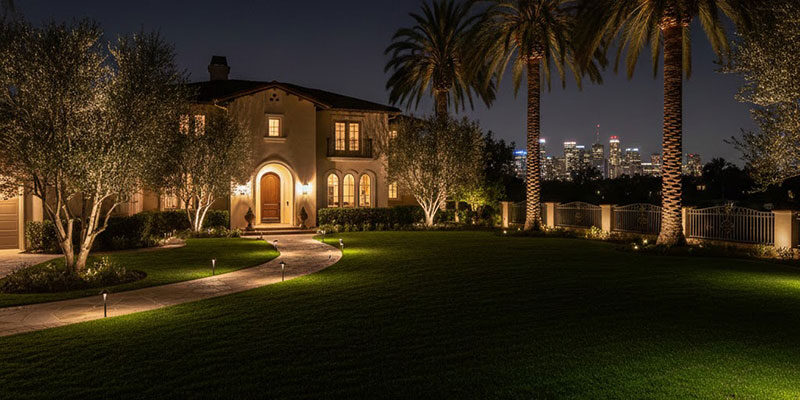
Your home after dark tells a story. Is it an inviting, well-lit property that showcases beautiful landscaping and says “welcome home”? Or is it a dark, shadowy space with potential hiding spots that makes you uncomfortable pulling into the driveway? Outdoor lighting serves a powerful dual purpose: it protects your property by deterring crime while simultaneously creating stunning curb appeal that makes your home the most attractive on the block.

I’m Brandon from Magic Sun Electric, and outdoor lighting is one of the most impactful upgrades we install for Sacramento and Placer County homeowners. The transformation is immediate and dramatic—properties go from forgettable to memorable, from vulnerable to secure, from unused after dark to fully enjoyed evening spaces.

Whether you’re in a charming Carmichael bungalow, an established Fair Oaks property with mature landscaping, or a Granite Bay estate with extensive grounds, the right outdoor lighting design enhances both security and beauty. Let me walk you through the benefits, design principles, technology options, and Sacramento-specific considerations that will help you create outdoor lighting that truly transforms your property.

The Security Benefits of Proper Outdoor Lighting

Well-lit properties are demonstrably less attractive to criminals. Studies consistently show that outdoor lighting reduces property crime by eliminating hiding spots, making suspicious activity visible, and creating the perception of occupancy and vigilance. Darkness provides cover—lighting removes that advantage.

Strategic Security Lighting Areas

The most critical areas for security lighting are all entry points including front doors, back doors, and side gates. Your garage and driveway need illumination for safe vehicle access and to eliminate dark corners where someone could hide. Side yards and pathways that could provide access to backyards or hidden areas require attention. Any dark corners and potential hiding spots around your property should be addressed. Pool and backyard areas, while primarily recreational, also benefit from security lighting. And don’t overlook detached structures like sheds, workshops, or accessory buildings.

Motion-Sensor Technology for Detection

Motion-activated lights provide an excellent security solution. When movement is detected, lights activate immediately, startling potential intruders and alerting you to activity around your property. They’re energy efficient since they’re only illuminated when needed, and modern sensors offer adjustable sensitivity and duration settings to minimize false activations from small animals or blowing vegetation.

The Strategic Combination

The most effective approach combines always-on lighting in key areas with motion-activated lights in secondary zones. Entry areas benefit from always-on lighting that creates a welcoming appearance and ensures safe navigation. Secondary areas like side yards and back corners work well with motion activation that provides detection without constant illumination. Path lighting typically uses dusk-to-dawn sensors for continuous safe navigation.

Throughout Sacramento and Placer County—from established neighborhoods in Fair Oaks and Carmichael to newer developments in Roseville and Folsom—proper outdoor lighting enhances security. Dark properties are vulnerable properties, regardless of neighborhood.

Curb Appeal: First Impressions Matter

Security is critical, but outdoor lighting also creates stunning aesthetic impact that extends far beyond safety concerns. The first impression visitors and potential buyers get of your property happens before they reach your front door—outdoor lighting shapes that impression dramatically.

Professional outdoor lighting extends your enjoyment of outdoor spaces well into the evening, particularly valuable during Sacramento’s long summer days. It highlights architectural features you’ve invested in—columns, facades, stonework. It showcases your landscaping investment, making mature trees and garden beds visible and dramatic after dark. Quality outdoor lighting genuinely increases property value, especially in higher-end markets like Granite Bay, Folsom, and El Dorado Hills where buyers expect sophisticated exterior illumination.

Key Areas for Aesthetic Enhancement

Focus lighting on architectural features that deserve attention—columns, interesting facades, stone or brickwork, and unique design elements. Mature trees and landscape focal points become stunning features when properly lit. Pathways and walkways serve both safety and aesthetic purposes, guiding the eye through your landscape while preventing trips and falls. Water features like pools, fountains, or ponds create magical focal points when illuminated. Outdoor living spaces including patios and decks become evening destinations with proper lighting. And garden beds with interesting plantings can be selectively highlighted for depth and visual interest.

The Layering Approach

Professional lighting design uses three layers: ambient lighting provides overall illumination for general visibility, task lighting serves specific functions like cooking areas or seating, and accent lighting highlights particular features for visual impact. All three layers working together create depth, interest, and a sophisticated appearance that single-layer lighting simply cannot achieve.

For homeowners who love outdoor entertaining, proper lighting transforms patios and dining areas into evening destinations. Pool and spa lighting creates ambiance while providing essential safety illumination. Thoughtfully designed landscape lighting sets the mood for gatherings and extends the usable hours of your outdoor investment well past sunset—particularly important during Sacramento’s beautiful summer evenings.

Learn more about our outdoor lighting services on our electrical services page.

Types of Outdoor Lighting and Their Applications

Understanding different lighting types helps you plan effective outdoor illumination.

Path and Walkway Lighting uses low-level fixtures along pathways for both safety and aesthetics, typically spaced every 6-10 feet. Options include bollards, stake lights, and step lights. Landscape and Garden Lighting creates drama with uplights highlighting trees and architecture, downlights mounted in trees or on structures, in-ground well lights for dramatic uplighting, and spotlights for specific focal points.

Security and Floodlighting provides bright illumination for garages, driveways, and side yards. These are often motion-activated and should be positioned carefully to avoid harsh glare. Entry and Porch Lighting at your front door sets the tone for your property—wall sconces and overhead fixtures should be welcoming while providing adequate illumination for safe entry.

Deck and Patio Lighting transforms outdoor living spaces with post cap lights, rail lighting, under-rail fixtures, and step lighting. String lights or permanent overhead fixtures create ambiance for evening entertainment. Pool and Water Feature Lighting includes underwater pool lights and fountain illumination that create stunning focal points and provide essential safety lighting.

Accent and Specialty Lighting techniques include wall washing to illuminate textured surfaces, grazing to highlight stone or brick texture, silhouetting to backlight interesting plantings, and shadowing to create dramatic effects. These advanced techniques distinguish professional installations from basic lighting.

“Magic Sun replaced my kitchen fluorescent lights with Cam lights and installed a ceiling fan. They did a great job. The guys were very knowledgeable, friendly and cleaned up after they were done with the install. I would recommend Magic Sun Electric for any electrical work that you need done.”

— DL D., Wheatland, CA

Design Principles for Effective Outdoor Lighting

Successful outdoor lighting follows key principles that separate professional results from amateur attempts.

Less is often more in outdoor lighting design. Over-lighting makes properties look commercial rather than residential. Strategic placement of fewer fixtures proves more effective than numerous randomly placed lights. Intentional dark spaces between illuminated areas create drama and depth that uniform brightness cannot achieve.

Avoid light pollution by directing light downward wherever possible. Avoid glare into neighbors’ properties—good fences make good neighbors, and so does considerate lighting. Shielded fixtures reduce light trespass and respect dark sky principles.

Color temperature matters significantly. Warm white light (2700-3000K) creates inviting spaces perfect for entertaining areas and entries. Cooler white light (4000K+) works better for security applications where you want maximum visibility. Consistent color temperature throughout your lighting creates visual cohesion. Match your architectural style—warm temperatures complement traditional homes while cooler temperatures suit contemporary architecture.

Highlight, don’t flood with light. Feature specific elements like specimen trees or interesting architecture rather than attempting to illuminate everything uniformly. Not every plant needs lighting—selective illumination creates focal points and visual interest. Leave some mystery in your landscape—you don’t need to see everything at once.

Consider views from inside your home, as lighting that looks good from outdoors must also work from interior viewing points. Avoid positioning bright lights where they’ll shine into windows. Create pleasant views from inside that enhance your enjoyment year-round. Be mindful of window reflections at night that can make poorly positioned lights distracting.

Sacramento’s climate offers unique advantages for outdoor lighting. Long summer evenings mean you’ll use outdoor spaces extensively, and quality lighting extends that enjoyment even further. While our outdoor entertaining season is primarily warm months, winter darkness arrives early, making outdoor lighting valuable year-round.

Technology, Controls, and Professional Installation

Modern outdoor lighting technology offers tremendous advantages over older systems. LED fixtures use 80% less energy than incandescent while lasting 25,000-50,000+ hours. They generate minimal heat—particularly important in Sacramento where summer temperatures regularly exceed 100 degrees. Various color temperatures suit different applications, and dramatically lower operating costs make LED the only sensible choice for new installations.

Smart Control Options

Smart outdoor lighting systems offer WiFi connectivity for smartphone control, voice control integration with Alexa or Google Assistant, scheduling and automation for lights that turn on and off without intervention, and zone control allowing you to operate different areas independently. Traditional options like dusk-to-dawn photocells and programmable timers remain effective for simpler systems.

Motion sensors using passive infrared (PIR) detection offer adjustable sensitivity and timer duration settings. The most sophisticated approach combines motion activation with always-on lighting—motion sensors trigger bright light when activity is detected while ambient lighting provides constant low-level illumination.

Low-Voltage vs. Line-Voltage Systems

Most landscape lighting uses low-voltage systems (typically 12V) requiring transformers to step down from standard 120V household current. These systems are safer for installation around plants and water features. Line-voltage (120V) systems are appropriate for security lighting, structural fixtures, and applications requiring brighter illumination. Each has proper applications, and professional design determines the right approach for different areas of your property.

When Professional Installation Makes Sense

While simple low-voltage landscape lighting kits and solar lights work for basic DIY applications, professional installation is essential for line-voltage (120V) installations, complex designs with multiple zones, integration with your home’s electrical system, ensuring proper wiring and safety, correct transformer sizing and placement, permit and code compliance, and comprehensive lighting plans that achieve both aesthetic and security goals.

Professional electricians bring design expertise about what to light and how to light it effectively. They ensure proper installation for safety and reliability. They use quality materials and fixtures designed for outdoor exposure. Professional work includes warranties and ongoing support. Installation is efficient and code-compliant. The results look professionally designed rather than DIY improvised.

Safety concerns justify professional installation for outdoor electrical systems. Outdoor wiring faces weather exposure requiring proper GFCI protection. Wire burial depth must meet code requirements. Transformer installation involves working with line voltage. These aren’t areas where DIY experimentation makes sense—the safety risks aren’t worth the modest potential savings, and the results of professional installation far exceed what most homeowners can achieve independently.

Sacramento-Specific Outdoor Lighting Considerations

Sacramento’s climate and landscape create unique considerations for outdoor lighting design. Our hot summers with temperatures regularly exceeding 100 degrees from June through September make LED technology particularly valuable—these fixtures generate minimal heat compared to older technologies. Quality fixtures must withstand temperature extremes and resist sun damage over years of exposure.

Sacramento’s long summer days mean daylight extends until 8-9 PM during peak summer, but this extended outdoor living season makes quality outdoor lighting particularly valuable. When darkness finally arrives, you want to continue enjoying your outdoor spaces comfortably and safely.

Landscape Types and Property Considerations

Mediterranean landscaping dominates Sacramento area properties, with drought-tolerant plants, mature trees in established neighborhoods, and native California species creating landscapes distinctly different from other regions. Pool and spa properties are common throughout the area, each requiring specialized lighting approaches. Design outdoor lighting to showcase your specific landscape type and features.

Property considerations vary significantly by area. In established neighborhoods like Carmichael, Fair Oaks, Auburn, and Orangevale, mature trees provide perfect opportunities for dramatic uplighting while older homes often feature architectural character that benefits from accent lighting. Security lighting is particularly important in these established areas.

Newer developments in Roseville, Rocklin, and Lincoln typically feature basic builder-grade outdoor lighting that offers opportunities for significant enhancement. Contemporary designs are popular, and HOA considerations may apply in some communities.

Higher-end areas like Granite Bay, Folsom, and El Dorado Hills typically feature properties where comprehensive landscape lighting is expected rather than optional. Property sizes often allow extensive lighting designs, and sophisticated approaches are common. Curb appeal is particularly important in these competitive markets.

Energy costs under SMUD and PG&E rate structures make efficiency important. LED technology dramatically reduces operating costs compared to older technologies. Smart controls optimize usage patterns. Timer and photocell automation ensures lights operate only when needed, minimizing energy waste while maximizing security and aesthetic benefits.

“Can’t say enough great things about our experience with Magic Sun Electric. From our interaction with Chad on the estimate, scheduling and confirming everything, to the highly competent and professional electricians Kyle & Caleb that did the job. There is no room for improvement here. They arrived on time and were very pleasant. They brought in a shop vac when they were done to clean up a small amount of debris that was hardly noticeable. Their price was better than their competition.”

— Gavin M., West Sacramento, CA

How Magic Sun Electric Approaches Outdoor Lighting Design

We understand that effective outdoor lighting requires both technical expertise and design sensibility. Our approach begins with thorough consultation—we walk your property with you, understand your goals for security and aesthetics, identify key areas and features that deserve attention, and discuss your budget and priorities to create realistic plans.

During design planning, we recommend appropriate fixture types and optimal placement for both function and visual impact. We plan lighting zones and control systems that give you flexibility. We calculate transformer and circuit requirements to ensure reliable operation. Throughout the process, we balance security requirements with aesthetic goals to create lighting that serves both purposes effectively.

Our professional installation follows all code requirements and safety standards. As licensed C10 electricians, we handle all line-voltage work safely and legally. We ensure proper wiring with appropriate GFCI protection for outdoor applications. We select quality fixtures specifically designed for outdoor exposure and Sacramento’s climate. We maintain correct burial depth and wire protection. Our installations are clean and professional, and we handle all necessary permits and inspections.

For smart controls and automation, we set up timers and photocells for automatic operation. We integrate with smart home systems when desired. We configure zone control for operational flexibility. And we ensure you understand how to use smartphone apps and controls for your new lighting system.

We serve the entire Sacramento and Placer County region, from Sacramento to Auburn, Roseville to Folsom, and all communities in between. Whether you need comprehensive landscape lighting design for extensive properties or focused security lighting for specific concerns, we bring both technical expertise and design experience to every project. Visit our FAQ & Resources page for additional information about outdoor electrical systems.

Transform Your Property With Professional Outdoor Lighting

Outdoor lighting transforms properties in ways few other improvements can match. The right lighting design enhances security while creating stunning visual appeal. Strategic design proves far more effective than random placement of numerous fixtures. Modern technology makes control simple and energy costs manageable. Sacramento’s climate and lifestyle make outdoor living spaces central to home enjoyment—quality lighting extends that enjoyment well into evening hours.

Professional installation ensures safety, reliability, and results that DIY approaches simply cannot achieve. The investment in your property’s security, beauty, and value justifies the modest cost of proper outdoor lighting.

Ready to enhance your Sacramento or Placer County property with professional outdoor lighting? Let’s design a lighting plan that improves security while showcasing your home’s best features. We offer free outdoor lighting consultations where we walk your property together, discuss your vision and priorities, provide design recommendations based on your property’s unique characteristics, and deliver transparent estimates with no pressure or obligation.

Whether your primary goal is feeling safer after dark, creating stunning curb appeal that makes neighbors envious, or both, professional outdoor lighting delivers results worth the investment.

Call Magic Sun Electric at (916) 794-0448 or contact us online to schedule your outdoor lighting consultation. Let’s create a lighting design that transforms your property into something truly special—secure, beautiful, and ready to be enjoyed any evening of the year.

Your property deserves to shine after dark. Professional outdoor lighting makes that happen.


Brandon is a C10 licensed electrical contractor (License #953640) and NABCEP certified professional with Magic Sun Electric. With extensive experience designing and installing outdoor lighting systems throughout Sacramento and Placer County, he helps homeowners create properties that are both secure and stunning after dark.


Magic Sun Electric Blog Post

Winter Electrical Safety: Protecting Your Sacramento Home from Seasonal Hazards

November arrives, temperatures drop into the 40s and 50s, rain becomes a regular visitor, space heaters come out of storage, and holiday lights start appearing on homes throughout Sacramento and Placer County. It’s a season of warmth, celebration, and family gatherings—but it’s also when winter electrical hazards spike dramatically.

I’m Brandon from Magic Sun Electric, and our winter service calls tell a consistent story: space heater-related circuit overloads, holiday lighting creating electrical issues, outdoor outlets exposed to rain causing problems, and power surges when storms knock out electricity then restoration brings it back. Many of these issues are completely preventable with awareness and proper precautions.

Sacramento winters may not match the brutal cold of the Midwest or East Coast, but we face our own electrical challenges. Our rainy season runs from November through March, occasional storms bring wind and lightning, and temperature drops mean supplemental heating throughout the region. While this article focuses on winter concerns most relevant from November through February, many of these electrical safety issues can occur year-round.

Let me walk you through the most important winter electrical safety considerations for Sacramento area homes, starting with the single biggest hazard: space heaters.

Sacramento Winter Weather: What We Actually Face

Sacramento winters bring their own set of conditions that affect your home’s electrical system. Our rainy season delivers consistent precipitation from November through March. Occasional severe storms bring wind that can knock down power lines and lightning that creates surge events. Temperatures drop into the 40s and 50s regularly, occasionally dipping into the 30s during cold snaps. Wet conditions can persist for days or weeks at a time.

These conditions create electrical implications throughout your home. Space heaters supplement central heating, putting additional load on circuits. Holiday lighting exposes outdoor electrical components to wet conditions. More time spent indoors means increased electrical usage overall. Storm-related power outages are followed by restoration surges. Moisture affects outdoor electrical components, outlets, and connections.

Sacramento homes are particularly vulnerable because many older homes in Carmichael, Fair Oaks, and Auburn weren’t designed for heavy supplemental heating loads. Outdoor outlets and lighting may lack proper weather protection. Many homeowners are unfamiliar with managing increased winter electrical loads. The mix of generally mild weather with occasional extremes catches people unprepared for the electrical demands of true winter conditions.

The #1 Winter Electrical Hazard: Space Heaters

Let me be direct: space heaters are involved in 79% of home heating fire deaths according to the National Fire Protection Association. Sacramento fire departments respond to space heater-related incidents every winter. The vast majority of these incidents are completely preventable.

Why Space Heaters Are So Dangerous

Space heaters are dangerous for several reasons. They draw high power—typically 1,500 watts, which is a significant electrical load. They’re often plugged into circuits that are inadequate for that load. People frequently use extension cords with them, which is a major fire hazard. They’re placed too close to combustible materials like curtains, furniture, and bedding. They’re left unattended or running overnight. And many people use old or damaged units that should have been replaced years ago.

Safe Space Heater Use: Electrical Safety

First and foremost: plug space heaters directly into wall outlets. Never use extension cords or power strips with space heaters—the high current draw can overheat the cord and cause fires. Use only one space heater per circuit. Don’t combine a space heater with other high-draw devices like hair dryers, microwaves, or other heaters on the same circuit.

Use only outlets with proper grounding—that means three-prong outlets for three-prong plugs. Check the space heater cord for any damage before each use. If a breaker trips repeatedly when you use a space heater, that circuit cannot safely handle the load. Don’t keep resetting the breaker—call an electrician to assess whether you need a dedicated circuit or if there’s another issue.

Safe Space Heater Use: Placement and Operation

Maintain a three-foot clearance from anything combustible. This means curtains, furniture, bedding, papers, decorations—anything that can burn. Never use space heaters in bathrooms where water and electricity create extreme danger. Place heaters on flat, stable surfaces, never on furniture that could tip over.

Use only modern units with tip-over switches and overheat protection. These safety features can prevent fires if the heater tips over or overheats. Never run space heaters while sleeping or when leaving home. Keep space heaters away from children and pets who might knock them over or get too close.

When to Call an Electrician About Space Heaters

Call us if breakers trip when using a space heater, if you need additional circuits installed for safe space heater use, if outlets feel warm when a space heater is plugged in, if lights flicker when the heater runs, or if you want to add permanent electric baseboard heating as a safer alternative to portable space heaters.

I see too many space heater-related electrical issues every winter. The most common mistake? Plugging a 1,500-watt space heater into a circuit that’s already serving multiple outlets—maybe a bedroom circuit powering a TV, computer, phone chargers, and lamps—then wondering why the breaker trips. If you’re using space heaters, make sure your electrical circuits can handle the load safely.

"Magic Sun Electric is an outstanding company. Chad Hurlock is so responsive. The electricians who came to replace two panels (as well as a few other items) were the most respectful, intelligent, fair and professional electricians. My number one priority was safety (in a very old home) and at every step of the repair process Chad’s team consulted me."

— Stacy H., Rocklin, CA

Holiday Lighting: Safe and Festive

We’re entering the holiday season right now, and homes throughout Roseville, Granite Bay, Folsom, and Sacramento are being decorated with lights. Holiday lighting is festive and beautiful, but it also creates electrical hazards if not done properly.

Common Holiday Lighting Hazards

The most common problems we see are overloaded circuits from excessive decorations, outdoor lights exposed to rain without proper protection, extension cords that aren’t rated for outdoor use, damaged light strings that people use anyway "because they mostly still work," and confusion about which lights and cords are safe for indoor versus outdoor use.

Safe Outdoor Holiday Lighting

Use only lights and extension cords that are specifically rated for outdoor use—they’re designed to handle moisture and temperature extremes. Check all light strings for damage before hanging them. Look for frayed wires, cracked sockets, or loose connections. Don’t overload circuits—check the amperage ratings on your light strings and add them up. A typical 15-amp circuit can handle about 1,440 watts.

Use GFCI-protected outlets for all outdoor decorations. This is required by code and critical for safety. Keep electrical connections off the ground and protected from moisture—elevated connections in weatherproof covers work best. Never staple or nail through cords, which can damage insulation and create shock or fire hazards.

Safe Indoor Holiday Lighting

LED lights are your best choice—they reduce fire risk dramatically and use a fraction of the energy of old incandescent strings. Don’t daisy-chain too many light strings together. Follow the manufacturer’s limits, which are usually printed on the packaging. Keep all holiday lighting away from combustible materials like curtains, paper decorations, and dried greenery.

Turn off holiday lights when leaving home or going to sleep. Check for warm outlets or flickering lights, which indicate overloaded circuits.

Extension Cord Safety

For outdoor use, choose 14-gauge or heavier extension cords that are specifically rated for outdoor conditions. For indoor use, use cords appropriate for the electrical load. Never use cords with fraying, cuts, or any damage. Don’t run extension cords under rugs or through doorways where they can be damaged. Remember that extension cords are for temporary use only—they’re not a permanent wiring solution.

Smart Solutions

Timers prevent leaving lights on all night, reducing both fire risk and energy waste. Smart plugs allow you to control lights remotely from your phone. GFCI outlets are required for outdoor use and provide critical protection against shocks.

Call an electrician if you need additional outdoor outlets for decorations, want permanent holiday lighting circuits installed, have existing outlets that lack GFCI protection, or if breakers trip when you plug in your holiday lighting.

Wet Weather Electrical Concerns

Sacramento’s rainy season runs from November through March, and our outdoor electrical components face extended exposure to moisture. Water and electricity create dangerous combinations—potential for shorts, shocks, and fires.

Outdoor Outlet Protection

GFCI protection is required by code for outdoor outlets, and for good reason. Weather-resistant covers—specifically "in-use" covers that protect outlets even when cords are plugged in—are essential. Proper installation and sealing around outdoor electrical boxes prevents moisture infiltration. Test your GFCI outlets monthly using the test and reset buttons. If outdoor outlets trip frequently during rain, that’s a sign of a problem that needs professional attention.

Common Wet Weather Issues

Standing water near outdoor outlets creates shock hazards. Moisture infiltration into electrical boxes can cause shorts and corrosion. Extension cords lying in puddles or wet grass are extremely dangerous. Damaged weatherproofing allows water entry into electrical components. Corroded connections from repeated moisture exposure reduce safety and reliability.

Pool and Spa Equipment

GFCI protection is absolutely critical for pool and spa equipment. Keep all electrical components as dry as possible. Never use your pool or spa during electrical storms. Have equipment inspected regularly, especially before winter when you might be using your spa more frequently.

Outdoor Lighting and Wiring

Landscape lighting, security lighting, and any outdoor electrical installations need proper weather sealing. Sacramento’s wet winters demand reliable protection for all outdoor electrical components.

Professional Inspection Recommendations

Before winter fully arrives, check all outdoor outlets for damage or corrosion. Test GFCI function on every outdoor outlet. Look for any corrosion or visible damage to outdoor electrical components. Ensure covers are intact and properly sealed. Address any issues before the heavy rains arrive.

We can inspect your outdoor electrical systems, ensure proper GFCI protection throughout, upgrade weatherproofing where needed, and make sure everything is ready for Sacramento’s wet winter months. Learn more about our electrical safety services on our electrical services page.

Storm Preparation and Power Surge Protection

Sacramento winter storms bring wind that knocks down power lines, occasional lightning, tree branches hitting lines, and power outages followed by restoration surges when electricity comes back on.

Before the Storm

The most important preparation is ensuring you have whole-house surge protection installed. When power is restored after an outage, the surge that accompanies restoration can damage unprotected electronics and appliances throughout your home. We covered surge protection extensively in a previous article—if you don’t have whole-house protection, it’s worth considering before winter storms arrive.

Have flashlights and batteries ready so you’re not fumbling in the dark. Know where your main electrical breaker is located. Charge phones and devices when storms are forecast. Consider backup power options for essential devices like medical equipment or refrigeration.

During Power Outages

Turn off or unplug sensitive electronics like computers, TVs, and smart home equipment if you have time before power goes out. Leave one light switched on so you’ll know when power returns. Don’t open your refrigerator or freezer unnecessarily—they’ll maintain temperature longer if you keep them closed.

Never use generators indoors—carbon monoxide poisoning is a real danger. Gas generators must be used outside only, positioned at least 20 feet from your house with exhaust pointing away from all buildings.

When Power Returns

With whole-house surge protection, you don’t need to do anything—the system automatically protects your home from restoration surges. Without surge protection, wait 5-10 minutes before reconnecting sensitive electronics to allow the grid to stabilize. Check GFCI outlets throughout your home, as they may need resetting after power restoration.

Backup Power Options

For urban Sacramento homes, options include portable gas generators (must be used outdoors only, proper ventilation critical), battery backup systems (quiet, safe for indoor use, but limited capacity), and whole-home automatic generators (expensive, more common in rural areas). For most urban Sacramento residents, battery backup for essential devices is the most practical option.

Tree Trimming

Keep trees trimmed away from power lines to prevent outages and dangerous situations. PG&E is responsible for trimming near main power lines, but you’re responsible for vegetation near the service line running from the street to your house.

"It’s really hard to find great electricians who are top professionals and can figure out and solve problems so easily. Chad and the folks at Magic Sun are those kind of people! Great value, great service and I would highly recommend them to anyone living in Placer County. They’ve done our yard outdoor lighting, indoor ceiling fans, multiple TV Mounts and installs, and we are so pleased with how everything has turned out."

— Dan D., Granite Bay, CA

Additional Winter Electrical Concerns

Electric fireplaces present the same circuit load concerns as space heaters—they typically draw 1,500 watts and need adequate circuits. Your HVAC system works harder in winter, and if the system struggles or trips circuits, it needs professional attention. Furnace maintenance should include inspection of electrical components.

More time spent indoors during winter means increased electrical usage. Home offices run all day, entertainment systems get constant use, cooking happens more frequently at home, and the increased overall electrical load may reveal circuit capacity issues you didn’t notice in summer.

This is particularly true for older homes in Auburn, Carmichael, and Fair Oaks that were built when electrical demands were much lower. Adding space heaters and modern loads can overtax circuits that were adequate decades ago. Winter often reveals these inadequacies, making it a good time to assess your electrical system’s capacity.

Indoor moisture is also a winter concern. Attic moisture can affect electrical wiring. Bathroom humidity necessitates working exhaust fans. Moisture infiltration through walls can affect indoor wiring over time. While not as obvious as outdoor wet weather issues, indoor moisture deserves attention.

Sacramento & Placer County Winter Electrical Checklist

Before Winter Arrives (Ideally October/November)

Test all GFCI outlets, both outdoor and indoor. Inspect outdoor electrical components for damage or corrosion. Check holiday lights for damage before hanging them. Ensure space heaters are in good condition or replace old units. Consider whole-house surge protection if you don’t have it installed. Verify that you have adequate circuits for winter electrical loads. Schedule an electrical safety inspection if you have any concerns.

As Winter Arrives

Use space heaters safely following all the guidelines we discussed. Install holiday lighting properly with appropriate equipment and protection. Monitor circuit loads and don’t overload outlets. Keep outdoor electrical connections dry and protected. Have flashlights and batteries ready for potential outages.

During Storms

Unplug sensitive electronics if you have time and it’s safe to do so. Know where your main breaker is located in case you need to shut off power. Never use gas generators indoors—carbon monoxide kills. Wait for power restoration before reconnecting sensitive equipment if you don’t have surge protection.

After Storms

Check GFCI outlets throughout your home and reset them if necessary. Inspect for any visible damage to electrical components. Address any issues immediately rather than waiting for them to worsen.

Professional Assessment

Magic Sun Electric can inspect your electrical system to identify potential winter hazards, ensure adequate capacity for winter loads, install or upgrade surge protection, add circuits if needed for safe space heater use, and ensure proper outdoor GFCI protection. Visit our FAQ & Resources page for additional electrical safety information.

When to Call Magic Sun Electric

Contact us for winter-related electrical issues including breakers tripping from space heaters or holiday lights, needing additional circuits for winter loads, outdoor outlets requiring GFCI protection or improved weatherproofing, lights dimming when heating runs, outlets that feel warm to the touch, burning smells from outlets or switches, or any electrical concerns before winter storms arrive.

We also provide preventive services including whole-house surge protection installation, comprehensive electrical safety inspections, GFCI outlet installation and testing, additional circuit installation for adequate capacity, outdoor electrical weatherproofing, and electrical panel capacity assessments.

Professional electrical service matters for several reasons: safety when working with electricity, code compliance that protects your investment, proper diagnosis of underlying issues, quality materials and workmanship, and peace of mind throughout the winter season.

We serve Sacramento and Placer County with licensed C10 electricians familiar with local conditions and capable of fast response when you need help. From Sacramento to Auburn, Roseville to Folsom, and throughout the region, we’re here to help.

Stay Safe This Winter

Sacramento winters bring specific electrical challenges that every homeowner should understand. Space heaters represent the number one winter fire hazard—use them safely and never with extension cords. Holiday lighting safety matters, especially now as we’re entering peak decorating season. Wet weather demands proper GFCI protection for outdoor electrical components. Storm preparation should include surge protection before power outages occur.

Many winter electrical issues are completely preventable with awareness and proper precautions. While we’ve focused on concerns most relevant from November through February, these safety considerations can arise year-round in our variable California climate.

Don’t wait for an electrical emergency this winter. Let’s make sure your home is ready for winter electrical demands. We offer free electrical safety assessments to identify potential hazards, ensure your system can handle winter loads safely, install surge protection before storms arrive, and provide professional guidance customized to your home’s specific needs.

Call Magic Sun Electric at (916) 794-0448 or contact us by email to schedule your winter electrical safety assessment. Whether you need circuit additions for space heaters, outdoor GFCI installation, surge protection, or simply want peace of mind that your electrical system is winter-ready, we’re here to help.

Winter in Sacramento brings rain, occasional storms, and increased electrical demands. A few simple precautions and professional assessment can keep your family safe and your electrical system reliable all season long.


Brandon is a C10 licensed electrical contractor (License #953640) and NABCEP certified professional with Magic Sun Electric. With extensive experience serving Sacramento and Placer County homes through winter electrical challenges, he helps homeowners stay safe and maintain reliable electrical systems year-round.

Magic Sun Electric Blog Post

Protect Your Home: Why Every Sacramento Home Needs Whole-House Surge Protection Now

Your $3,000 refrigerator with its sophisticated computer control board. Your $2,000 smart TV. Your $6,000 HVAC system. Your $1,500 EV charger. Your home office setup with multiple computers and monitors. All of these are vulnerable to power surges, and in Sacramento’s current environment with PG&E infrastructure challenges and extreme summer heat, the risk has never been higher.

I’m Brandon from Magic Sun Electric, and surge protection installation calls have increased dramatically over the past few years. I’ve seen too many homeowners devastated after a power surge destroys thousands of dollars in electronics and appliances—damage that could have been prevented with a few hundred dollars in whole-house surge protection.

The combination of aging PG&E infrastructure, California’s extreme weather, and the fact that modern homes contain more sensitive electronics than ever creates a perfect storm of vulnerability. Let me walk you through what power surges are, why Sacramento and Placer County homes are particularly at risk, how whole-house surge protection works, and why this affordable investment might be the smartest electrical upgrade you can make for your home.

What Are Power Surges and Where Do They Come From?

A power surge is a brief spike in electrical voltage—sometimes lasting only microseconds, but powerful enough to damage or destroy electronic equipment. These surges can be small and barely noticeable, or massive and catastrophic. Even small surges that you never notice gradually damage electronics over time, leading to premature failures you might attribute to bad luck or poor quality.

Power surges come from several sources, and Sacramento area homes face all of them:

PG&E Grid Issues (The Most Common Source in Our Area)

Equipment switching on the power grid, power restoration after outages, grid fluctuations during periods of high demand, and transformer problems all create surges that travel through power lines directly into your home. Anyone who’s experienced the lights flickering or heard a "pop" when power comes back after an outage has experienced a surge event.

Weather Events

Lightning strikes—whether direct hits or strikes nearby—create massive surges. Summer thunderstorms, while less common than in other parts of the country, do occur in the Sacramento region. Wind damage to power lines can cause surges when lines contact each other or when power is restored after wind-related outages.

Internal Sources

Not all surges come from outside your home. Your HVAC system cycling on and off, large appliances like refrigerators and washing machines, electric vehicle chargers drawing substantial power, and pool pumps all create internal surges that can affect other devices in your home.

Why the Sacramento Area Is Particularly Vulnerable

Our region faces unique factors that increase surge risk: aging PG&E infrastructure that’s been in the news repeatedly for various issues, extreme weather with heat waves stressing the electrical grid, high demand during summer peaks when everyone’s air conditioning runs constantly, and a growing number of EVs and high-draw appliances putting additional stress on the system.

The reality is that power surges are not a matter of "if" but "when." Your home will experience surges—the question is whether you’ll have protection in place before expensive damage occurs.

For technical information about power surge causes and effects, resources from organizations like the National Institute of Standards and Technology (NIST) provide detailed research on electrical power quality issues.

What’s at Risk: The Hidden Cost of Power Surges

Modern homes are more vulnerable to surge damage than homes from just a generation ago. Nearly everything in your home now contains sophisticated electronic controls that are extremely sensitive to power fluctuations.

Expensive Appliances With Sensitive Electronics

Your refrigerator isn’t just a motor and a compressor anymore—it has computerized control boards managing temperature, defrost cycles, and sometimes smart home connectivity. Replacement cost: $2,000-5,000. Your HVAC system has sophisticated control systems managing temperature, humidity, and efficiency. Replacement cost: $5,000-15,000+. Modern washing machines, dryers, dishwashers, ranges, ovens, and water heaters all have computerized controls. Individual replacement costs: $800-4,000 each.

Electronics and Entertainment

Large 4K and 8K TVs ($500-3,000+), home theater systems ($1,000-5,000+), gaming systems ($500-1,000), computers and monitors ($1,000-3,000+), and smart home hubs and devices (hundreds to thousands of dollars collectively) are all at risk.

Critical Home Systems

Security systems ($1,000-3,000), internet and networking equipment ($500-1,000), garage door openers with sophisticated controls ($500-1,000), and smart thermostats ($200-500) all contain sensitive electronics vulnerable to surge damage.

EV Charging Equipment

Level 2 EV chargers ($500-2,000) are increasingly common in Roseville, Granite Bay, and Folsom. These sophisticated devices contain sensitive electronics and represent a significant investment.

The Cumulative Damage Factor

Here’s what most homeowners don’t realize: it’s not just the big, obvious surges that cause problems. Small surges you never notice gradually degrade electronics over time. That refrigerator that died "early"? That TV that suddenly stopped working? That HVAC control board that failed unexpectedly? These premature failures are often attributed to bad luck when they’re actually the result of cumulative surge damage.

In Sacramento’s environment with summer heat stressing electrical systems, frequent AC cycling creating internal surges, documented PG&E grid issues, and homes packed with expensive electronics, the risk to your investment is substantial. Add up the value of everything in your home that contains electronics, and you’re likely looking at $20,000-40,000 or more.

Why Sacramento Homes Are Particularly Vulnerable

Working throughout Sacramento and Placer County for years, I’ve noticed our region faces unique surge protection challenges:

PG&E Infrastructure Challenges

The aging equipment throughout PG&E’s service area is well-documented. Public Safety Power Shutoffs (PSPS) and the subsequent power restoration create surge events. Equipment switching during periods of high demand, grid stress during heat waves, and transformer failures all contribute to power quality issues that affect our region more than many others.

Extreme Summer Conditions

When temperatures hit 100+ degrees day after day from June through September, the massive air conditioning load across the entire region pushes the electrical grid to its limits. The grid operates at capacity, voltage fluctuations become more common, and transformer failures during extreme heat create surge events. I see more surge-related damage calls during Sacramento summers than any other time.

Older Homes in Established Areas

Many beautiful homes in Carmichael, Fair Oaks, Auburn, and Orangevale were built decades ago with no surge protection at the electrical panel. These homes often have older service equipment that makes them more vulnerable to surges. The good news? Adding whole-house surge protection is straightforward even in older homes.

High Concentration of Valuable Electronics

Modern homes contain more electronics than ever. Work-from-home setups with computers, monitors, and equipment. Smart home devices throughout the house. EV chargers in garages. Entertainment systems. The dollar value at risk in today’s homes dwarfs what homeowners faced just 10-15 years ago.

Recent weather events, PG&E equipment issues, and power restoration surges have resulted in multiple customers throughout our service area reporting damaged electronics and appliances. The risk is real, it’s current, and it’s affecting Sacramento and Placer County homeowners right now.

"Magic Sun Electric is an outstanding company. Chad Hurlock is so responsive. The electricians who came to replace two panels (as well as a few other items) were the most respectful, intelligent, fair and professional electricians. My number one priority was safety (in a very old home) and at every step of the repair process Chad’s team consulted me."

— Stacy H., Rocklin, CA

Point-of-Use vs. Whole-House Surge Protection

Many homeowners have power strips with surge protection features plugged in around their homes. These are called point-of-use surge protectors, and while they’re better than nothing, they have significant limitations.

Point-of-Use Surge Protectors

These are the power strips you plug into outlets, then plug your devices into the strip. They provide protection only for devices plugged directly into them. The quality varies wildly—many inexpensive surge strips provide minimal actual protection. They don’t protect hardwired appliances like your HVAC system, refrigerator, or dishwasher. They can fail without you knowing (many don’t have indicator lights). They typically have limited joule ratings (energy absorption capacity), often just 1,000-2,000 joules.

Point-of-use protectors make sense as a supplement to whole-house protection, providing an extra layer of defense for computers and particularly sensitive electronics. They’re also portable—you can take them with you if you move.

Whole-House Surge Protection

Whole-house surge protectors install at your main electrical panel, protecting your entire home through all circuits. Every outlet, every hardwired appliance, every light fixture—everything is protected. These are professional-grade devices with high joule ratings, typically 40,000-80,000+ joules or more. Indicator lights show when protection is active. Professional installation ensures proper connection and grounding.

The Advantages Are Clear

Whole-house protection provides comprehensive coverage for everything in your home. It protects expensive hardwired appliances that point-of-use protectors can’t touch—your HVAC system, refrigerator, dishwasher, water heater, garage door opener, and more. It protects smart home devices throughout your home. It guards against both external surges (from the grid) and internal surges (from your own appliances).

The Reality

Whole-house surge protection is the foundation. Point-of-use protectors can add an extra layer for particularly sensitive electronics like computers. Together, they provide comprehensive protection. But whole-house protection alone is vastly superior to point-of-use protection alone.

From a cost perspective, whole-house surge protector installation typically runs $300-600. Compare that to replacing even one major appliance ($1,000-5,000+) or your HVAC control board ($1,500-3,000), and it’s clear that whole-house protection is insurance that costs pennies on the dollar compared to what it protects.

How Whole-House Surge Protection Works

The technology is elegant in its simplicity. A whole-house surge protector installs at your main electrical panel, connected between the incoming power and your home’s circuits. It monitors voltage constantly, detects surges (voltage spikes above normal levels), and diverts excess voltage safely to ground. This happens in nanoseconds—far faster than surge energy can travel through your home’s wiring to damage connected devices. Normal power continues flowing to your home while surge energy is safely dissipated.

Key Specifications

Professional-grade whole-house surge protectors have joule ratings of 40,000-80,000+ joules, indicating how much surge energy they can absorb. The clamping voltage (the voltage level at which protection activates) and response time (measured in nanoseconds) are also important specifications. We recommend surge protectors appropriate for Sacramento area conditions and your home’s specific needs.

Indicator Features

Quality surge protectors have LED indicator lights showing protection status—you can see at a glance that your protection is active. Some models include audible alarms. You’ll know when your protector needs replacement (they do eventually wear out from absorbing surges, but that means they’re doing their job—protecting your home).

Lifespan

Lifespan depends on surge frequency and magnitude. In the Sacramento area with our specific conditions, typical lifespan is 5-10 years. More frequent or severe surges mean shorter life, but that’s because the protector is absorbing surge energy that would otherwise damage your appliances and electronics. When it’s time to replace the surge protector, that’s a much smaller investment than replacing damaged appliances would have been.

The Installation Process

Whole-house surge protector installation requires a licensed electrician—this is not a DIY project. Installation happens at your main electrical panel, which requires working with live electrical circuits. This is dangerous without proper training, equipment, and licensing.

Here’s what the process involves when you work with Magic Sun Electric:

We start by assessing your electrical panel and system. We recommend an appropriate surge protector based on your home’s needs, panel capacity, and the specific conditions in your area. We professionally install the surge protector at your panel with proper grounding (absolutely critical for effectiveness). We test and verify operation, show you the indicator lights and features, and provide documentation for your records.

The timeline is typically 1-2 hours for installation with minimal disruption to your day. We need to briefly turn off power during certain steps of installation, but we work efficiently to minimize inconvenience. In many cases, we can provide same-day service if you need protection installed quickly.

Surge protector installation can be combined with other electrical work. If you’re doing a panel upgrade or other major electrical project, it’s an excellent time to add surge protection. But don’t wait for another project—the protection pays for itself the first time it prevents surge damage, and that could happen tomorrow.

Cost, Value, and ROI

Let’s talk about the investment and what you’re getting for your money.

The Investment

A quality whole-house surge protector costs $200-400 for the equipment itself. Professional installation typically runs $150-300 for labor. Your total investment is usually $300-600. That’s all it takes to protect your entire home.

What You’re Protecting

The average Sacramento area home contains $20,000-40,000+ in vulnerable electronics and appliances. A single major appliance replacement runs $1,000-5,000+. HVAC system replacement is $5,000-15,000+. Home electronics collectively represent $5,000-15,000+. An EV charger is $500-2,000.

The Math Is Simple

You invest $300-600 in whole-house surge protection. One avoided major appliance replacement saves you $2,000+. One avoided HVAC control board replacement saves you $1,500-3,000. The ROI is obvious—one surge that would have caused damage pays for the protection many times over.

The Insurance Perspective

Yes, homeowners insurance may cover surge damage. But consider your deductible ($500-2,000 typical), potential premium increases after filing a claim, and the hassle of the claims process. Prevention is simply better than insurance recovery. With surge protection, you avoid the damage in the first place.

Sacramento-Specific Value

Given documented PG&E issues, summer grid stress, the concentration of electronics in modern homes, and California’s higher replacement costs for appliances and electronics, surge protection represents particularly strong value for Sacramento and Placer County homeowners. You’re getting insurance you control—protection that’s active 24/7 regardless of what’s happening with PG&E’s grid or the weather.

Long-Term Value

Beyond the financial calculation, there’s peace of mind. You have protection working for you continuously for years. You’re protecting your home’s value—the electronics and appliances in your home are part of your home’s worth. And it’s a one-time investment that provides ongoing protection year after year.

"They installed power to my new gate openers, and for a new carport. This involved underground conduit, wire, and connections. Chad’s on-location consult was prompt and informative, and he continued to remain responsive to my texts when I had several questions. His team did the work timely and gave me good advice. The work appears to be of high quality and I will use them again in the near future for more work I need done."

— Alec S., Granite Bay, CA

Sacramento & Placer County Considerations

Several local factors make whole-house surge protection particularly important for our region:

PG&E service area challenges are well-documented and ongoing. Summer heat creates extreme stress on the electrical grid throughout our region. PSPS events and power restoration procedures create surge situations. Aging infrastructure in established neighborhoods compounds the risk.

Older homes in Carmichael, Fair Oaks, Auburn, and Orangevale typically have no surge protection installed originally. Adding protection is a smart upgrade that safeguards both original and newly installed appliances and electronics.

Modern technology in older homes creates particular vulnerability—smart home devices, EV chargers, and contemporary appliances with sophisticated electronics are all at risk without proper protection.

For homes in Roseville, Granite Bay, and Folsom, property values are high and homes typically contain expensive electronics and appliances. Surge protection protects your investment in your home.

Sacramento’s climate brings its own considerations. Hot summers stress electrical equipment. While less frequent than other regions, we do experience thunderstorms. Wind events can affect power lines and create surge conditions. Year-round protection makes sense in our environment.

How Magic Sun Electric Helps Protect Your Home

With my C10 electrical contractor license and years of experience throughout Sacramento and Placer County, I understand the specific surge protection needs of homes in our region. We stay current on local conditions, PG&E issues, and the best surge protection technology available.

Our approach starts with a free assessment of your surge protection needs. We recommend appropriate surge protectors for your specific home and situation. We provide professional installation at your electrical panel with proper grounding and connection. We test and verify operation, clearly explain your surge protector’s indicator lights and features, and provide documentation for your records.

We serve homeowners throughout Sacramento and Placer County—from Sacramento to Auburn, Roseville to Folsom, Lincoln to Rancho Cordova, and everywhere in between. Whether you’re in an older home in an established neighborhood or a newer home in a growing area, we can protect your investment.

Professional installation is essential for surge protection. Working in a live electrical panel is dangerous without proper training and equipment. Proper equipment selection ensures adequate protection for your home. Correct installation and grounding are critical for effectiveness. Code compliance protects your investment. Manufacturer warranty protection requires professional installation. And ultimately, professional installation gives you peace of mind that your home is truly protected.

Learn more about our surge protection services on our electrical services page, or visit our FAQ & Resources for additional information about protecting your home’s electrical systems.

Don’t Wait for Damage to Happen

Power surges are a real threat to Sacramento area homes. The combination of PG&E infrastructure challenges, extreme summer conditions, and homes packed with sensitive electronics creates genuine risk. Modern homes have more at risk than ever before—tens of thousands of dollars in vulnerable appliances and electronics.

Whole-house surge protection is affordable insurance—a few hundred dollars protects your entire home. One surge event can cost thousands in damage to appliances and electronics. Professional surge protection installation costs hundreds, lasts for years, and provides continuous protection.

The question isn’t whether your home will experience power surges—it will. The question is whether you’ll have protection in place before expensive damage occurs.

Don’t wait for a surge to damage your expensive electronics and appliances. Let’s protect your home with professional whole-house surge protection. We offer free assessment of your surge protection needs, professional installation typically completed the same day, affordable protection for your entire home, and most importantly, peace of mind every time weather threatens or PG&E has issues.

Call Magic Sun Electric at (916) 794-0448 or contact us by email to schedule your surge protection installation. Protect your investment in your home before the next surge event—because the next surge could happen today.

Your home is full of expensive, sensitive electronics and appliances. For a few hundred dollars, you can protect everything. That’s not an expense—it’s smart insurance that pays for itself the first time it prevents damage. Let’s make sure your home is protected.


Brandon is a C10 licensed electrical contractor (License #953640) and NABCEP certified professional with Magic Sun Electric. With extensive experience protecting Sacramento and Placer County homes from power surge damage, he helps homeowners safeguard their investments with professional whole-house surge protection installation.

Magic Sun Electric Blog Post

Slash Your Power Bills: The Ultimate Guide to Energy-Efficient LED Lighting Upgrades for Homeowners

Your home’s lighting could be costing you hundreds of dollars more per year than it should. Every time you flip a switch with old incandescent or halogen bulbs, you’re essentially turning electricity into heat and watching your money disappear. But there’s good news: LED technology has revolutionized home lighting, and the savings available to Sacramento homeowners are more dramatic than most people realize.

I’m Brandon from Magic Sun Electric, and LED lighting upgrades are one of the fastest payback improvements we install. I’ve seen typical Sacramento area homes cut their lighting costs by 75% or more, with total annual savings of $650-700 when you factor in reduced air conditioning costs. The ROI is measured in months, not years, and then you continue saving for the next two decades.

Let me walk you through exactly how much you can save, which LED upgrades make the most sense for your home, and why professional installation for certain projects ensures you get maximum efficiency and safety. Whether you’re in Roseville, Granite Bay, Folsom, or Auburn, the combination of LED efficiency and Sacramento’s high cooling costs creates a perfect opportunity to slash your power bills starting this month.

The LED Advantage: Why This Technology Changes Everything

LED (Light Emitting Diode) technology represents a genuine revolution in home lighting. This isn’t marketing hype—the numbers are remarkable.

Energy Efficiency That Actually Matters

LEDs use 75-80% less energy than traditional incandescent bulbs. They use about 65% less energy than halogen bulbs, and even 25-30% less than compact fluorescent (CFL) bulbs. That efficiency translates directly to lower electric bills every single month.

Longevity That Saves Money and Hassle

LED bulbs last 25,000 to 50,000+ hours compared to just 1,000 hours for incandescent bulbs or 8,000-10,000 hours for CFLs. Do the math: one LED bulb replaces 25 to 50 incandescent bulbs over its lifetime. You’re not just saving on electricity—you’re saving on replacement bulbs and the hassle of constantly changing them.

Heat Generation: Critical for Sacramento Summers

Here’s something many homeowners don’t consider: incandescent bulbs convert about 90% of their energy into heat, not light. In Sacramento where summer temperatures regularly exceed 100 degrees and air conditioning runs constantly, that heat from lighting adds directly to your cooling load. Your AC has to work harder to remove that heat.

LEDs generate minimal heat. This means not only are you using less electricity for lighting, but you’re also reducing your air conditioning costs. In our climate, this double benefit makes LED upgrades even more valuable than in cooler regions.

Light Quality Has Improved Dramatically

Early LEDs had issues with harsh light quality and limited color options. Modern LEDs have solved these problems completely. They offer excellent color rendering, are available in warm white to cool daylight color temperatures, turn on instantly (unlike early CFLs that took time to warm up), and come in dimmable versions for virtually any application.

The Cost Barrier Has Disappeared

LEDs were expensive when they first appeared ten years ago. Today, they’re competitively priced with other bulb types, and when you consider the lifespan and energy savings, they’re dramatically cheaper overall. The ROI is now measured in months, not years.

For detailed technical information about LED lighting technology and efficiency, the Department of Energy provides comprehensive resources.

The Real Numbers: How Much You’ll Actually Save

Let’s move beyond general claims and look at specific numbers for Sacramento area homes.

Single Bulb Comparison

Consider one 60-watt incandescent bulb used 5 hours per day:

  • Annual energy use: 60W × 5 hours/day × 365 days = 109.5 kWh/year
  • At Sacramento’s average electricity rate of $0.17/kWh: $18.62 per year

Now replace it with an equivalent LED (9 watts):

  • Annual energy use: 9W × 5 hours/day × 365 days = 16.4 kWh/year
  • Cost: $2.79 per year
  • Annual savings per bulb: $15.83

Whole Home Calculation

The average home has 40-50 light fixtures or bulbs. Let’s be conservative and use 40 bulbs:

  • Annual savings: $15.83 × 40 bulbs = $633 in lighting costs alone

But wait—there’s more. In Sacramento’s climate, reduced heat from lighting means reduced AC load. During our hot summer months, this can add another 5-10% in cooling savings for homes making comprehensive LED upgrades.

Total realistic annual savings for a typical Sacramento home: $650-700+

Return on Investment Timeline

LED bulbs cost $3-8 each for quality options. Even at $8 per bulb, your payback period is just 6 months. After that, you’re saving $15+ per year per bulb for the next 15-25 years. Professional installation for fixtures or recessed lighting adds upfront cost but still typically pays for itself within 1-3 years.

Lifetime Savings

Over a 20-year LED lifespan, a single bulb saves you $316+ in electricity costs, plus you avoid buying 25-50 replacement incandescent bulbs. For your whole home, you’re looking at $12,000-14,000+ in savings over 20 years.

Sacramento-Specific Advantage

Summer electric bills in Sacramento typically run $150-250 per month. Lighting accounts for 10-15% of your electric bill. LED conversion reduces that lighting portion by 75%, plus you get cooling savings from reduced heat load. The summer months—when bills are highest—see the biggest impact from LED upgrades.

These aren’t theoretical savings. This is real money back in your pocket every month, starting the day you complete your LED upgrade.

Types of LED Upgrades: What Makes Sense for Your Home

LED upgrades come in several forms, each with different applications and benefits.

Simple Bulb Replacement (Retrofit)

This is the easiest upgrade: remove your old bulb, screw in an LED bulb. It works with your existing fixtures and is DIY-friendly for most homeowners. This approach is best for table and floor lamps, overhead fixtures with standard bases, ceiling fan lights, and simple applications throughout your home.

The limitation? You’re stuck with your existing fixture’s style and light distribution. But for basic lighting needs, retrofit LED bulbs deliver excellent savings with minimal investment.

LED Fixture Replacement

This means replacing entire outdated fixtures with new LED-integrated units. Modern LED fixtures offer contemporary designs, better light distribution, and often greater efficiency than retrofit bulbs in old fixtures. Professional installation is recommended for hardwired ceiling and wall fixtures.

This approach is best for outdated fixtures from the 1980s-90s that need aesthetic updates anyway, fixtures with unusual bulb sizes that make finding LEDs difficult, kitchens and bathrooms where fixture aesthetics matter, and any area where you want both energy savings and a visual upgrade.

Recessed Lighting (Can Lights): High-Impact Upgrade

Old recessed cans with incandescent or halogen bulbs are massive energy hogs. Many Sacramento area homes built in the 1990s and 2000s have 6-12 or more halogen recessed lights in kitchens and living rooms. Each one can draw 65-75 watts. Converting these to LEDs (typically 9-12 watts each) creates dramatic savings.

You have two options: LED retrofit kits that install into existing recessed cans, or complete replacement with new LED recessed fixtures. Professional installation ensures proper insulation clearance (IC rating), correct housing for contact with insulation, proper air sealing (important for energy efficiency in Sacramento’s climate), and no fire hazards from improper installation.

This upgrade has dramatic impact in kitchens with multiple recessed lights, living rooms and family rooms, hallways, and any space with numerous recessed fixtures.

Under-Cabinet Kitchen Lighting

Old fluorescent under-cabinet tubes are inefficient and provide poor color rendering. LED strips or puck lights deliver energy-efficient, excellent task lighting that makes cooking safer and more enjoyable. Professional installation for hardwired systems ensures clean, permanent installation, while DIY plug-in LED strips offer a budget-friendly option.

Outdoor Lighting

LED technology excels in outdoor applications. Landscape lighting with LED path lights and spotlights uses a fraction of traditional bulb energy. Security lighting with LED motion sensors or always-on fixtures provides safety without excessive cost. LED pool lights dramatically reduce the expense of pool illumination. Patio and deck LED string lights or post lights create ambiance efficiently.

Outdoor lighting often runs many hours daily (or all night for security), making the savings potential substantial. Weather durability is important in Sacramento’s climate, and quality LED outdoor fixtures handle our hot summers and wet winters without issues.

Dimmers and Controls

If you want dimmable LED lighting, you need LED-compatible dimmers. Old dimmer switches designed for incandescent bulbs often cause flickering, buzzing, or poor performance with LEDs. Professional installation ensures proper dimmer selection and compatibility, preventing these frustrating issues.

"These guys do it all! We’ve been working with Magic Sun Electric and Magic Sun Solar for a decade now and they do excellent work. Fast forward a few months later and I was not liking the look of the TV wires hanging down from our wall-mounted TV. Thought of getting a kit on Amazon and digging a hole in the wall to hide the wires. But then we decided to get a quote from Magic Sun Electric and let the professionals handle it. Chad responded promptly, gave me a quote and we were able to set up a day/time via text. On the day of, Jim and Nick showed up right on time and got the job done!"

— Annette H., Rocklin, CA

DIY vs. Professional Installation: Making the Right Choice

Understanding when to DIY and when to call a professional helps you save money while ensuring safety and quality.

What Homeowners Can Safely DIY

You can handle replacing bulbs in existing fixtures—simple screw-in LED bulbs require no special skills. Plug-in LED strips for under-cabinet lighting are straightforward. Table and floor lamp bulbs are obviously DIY-friendly. Outdoor solar LED lights that don’t require wiring are easy to install yourself.

When to Call Magic Sun Electric

Professional installation is important for recessed lighting installation or conversion, which requires ceiling access, proper electrical connections, insulation considerations, and fire safety compliance. Replacing hardwired ceiling or wall fixtures needs an electrician. Under-cabinet hardwired lighting systems should be professionally installed. Complex outdoor lighting with extensive wiring benefits from professional expertise. Installing LED-compatible dimmers ensures proper operation. Adding new circuits for additional lighting requires professional work. Any project involving opening walls or ceilings should involve a licensed electrician.

Why Professional Installation Matters

Safety is paramount—working with live electrical circuits can be dangerous without proper training and equipment. Code compliance is required for certain installations and protects your investment. Proper technique ensures secure connections without fire hazards. Efficiency matters—we complete in hours what might take DIY attempts days. Many LED fixtures require professional installation for warranty coverage. We provide design input for optimal light placement and layout. For recessed lighting specifically, proper insulation and air sealing delivers energy efficiency beyond just the LED bulbs themselves.

I’m genuinely supportive of homeowners doing what they’re comfortable with—LED bulb replacement is definitely DIY-friendly. But for recessed lighting, new fixtures, or anything involving electrical connections, professional installation ensures it’s done safely and correctly. I’ve seen DIY recessed light installations that created fire hazards or energy waste from improper air sealing. It’s not worth the risk when professional installation delivers peace of mind and optimal results.

Common LED Lighting Upgrades We Recommend

Here are the high-impact LED upgrade projects we most commonly recommend, organized by room:

Kitchen: Replace old fluorescent ceiling fixtures with LED panels or modern fixtures. Convert recessed halogen cans to LED (typical kitchens have 6-12 of these energy hogs). Add under-cabinet LED lighting for both task lighting and energy savings. Update old pendant lights over islands. Expected savings: $150-200 per year for a typical kitchen.

Living Room and Family Room: Convert 6-8 recessed halogen lights to LED—this is extremely common in homes built in the 1990s-2000s throughout Roseville, Granite Bay, and Folsom. Replace old ceiling fixtures. Update floor lamp bulbs (easy DIY). Expected savings: $100-150 per year.

Bathrooms: Replace vanity lighting where old Hollywood-style bulbs waste tremendous energy. Install LED recessed lighting in showers and tubs. Update to LED exhaust fans with integrated lighting. Expected savings: $50-75 per year per bathroom.

Bedrooms: Convert ceiling fan light kits to LEDs. Replace reading lamp bulbs (DIY). Update closet lighting to LED. Expected savings: $30-50 per year per bedroom.

Outdoor Spaces: Upgrade security lighting with motion sensors plus LEDs. Convert landscape lighting systems. Update porch and deck lighting. Replace pool lighting if applicable. Expected savings: $100-200 per year, since outdoor lights often operate all night.

Garage and Workshop: Install LED shop lights—a huge improvement over old fluorescent fixtures. Add motion sensor LEDs for automatic operation. Expected savings: $75-100 per year.

For commercial spaces like retail showrooms, office buildings, and warehouses, the ROI is even faster with longer operating hours. We handle both residential and commercial LED upgrades throughout Sacramento and Placer County.

Sacramento & Placer County Considerations

Working throughout the greater Sacramento area, several local factors make LED lighting upgrades particularly valuable:

Climate Impact: Our hot summers mean air conditioning runs constantly from June through September. Old lighting adds significant heat load to your home, forcing your AC to work harder. LEDs generate 80% less heat, reducing cooling costs substantially. Every watt of lighting heat requires additional energy to remove via air conditioning. This double benefit—lower lighting costs plus lower cooling costs—makes LED upgrades more valuable here than in milder climates.

Older Homes: Many homes in Carmichael, Fair Oaks, and Auburn have original lighting from the 1970s-80s. Recessed cans from this era are extremely inefficient. If you’re undertaking any remodel, it’s the perfect time to upgrade lighting for both aesthetic and efficiency improvements.

Rising Energy Costs: SMUD and PG&E rates continue to climb. Energy efficiency investments become more valuable each year. LED upgrades lock in savings for decades regardless of future rate increases. Time-of-use rate plans benefit particularly from LED efficiency, as you reduce usage during expensive peak periods.

Summer Peak Demand: Sacramento experiences peak electricity demand during summer heat waves. LED lighting reduces your contribution to regional peak demand, helping the overall grid situation while saving you money during the most expensive rate periods.

Rebates and Incentives: While specific LED lighting rebates vary over time, SMUD and PG&E periodically offer energy efficiency programs that may include lighting upgrades. Check our Rebates & Incentives page for current offerings. Even without rebates, the ROI for LED upgrades is excellent.

Home Values: LED lighting is increasingly expected in Roseville, Granite Bay, and Folsom homes. Modern, energy-efficient lighting signals an updated home to potential buyers. Professional installation provides documented value and avoids issues during home sales.

"I needed some recessed lights installed and wasn’t necessarily planning on going with the lowest bid, but Magic Sun were less than half than the other quotes I received so I figured I’d give them a shot, and I’m pleased with the finished product and overall experience. They showed up on time and did a great job at keeping the mess down to a minimum. There were no surprises or attempts to upsell; I got exactly what I wanted, when I wanted it and at the price I was quoted."

— Clayton Wolery, Google Review

Planning Your LED Lighting Upgrade

Approaching your LED upgrade strategically maximizes impact while managing investment:

Prioritize by Impact: Start with rooms having the most fixtures, like kitchens and living rooms. Focus on lights that run the longest hours—outdoor lighting, security lighting, and always-on fixtures. Target the oldest, most inefficient fixtures first. Consider areas that are due for aesthetic updates anyway, killing two birds with one stone.

Consider a Phased Approach: Phase 1 could be simple bulb replacements you can DIY immediately. Phase 2 might focus on high-impact rooms like your kitchen and main living area. Phase 3 completes remaining interior spaces. Phase 4 addresses outdoor lighting. This spreads the investment over time while starting your savings immediately.

Coordinate with Remodels: If you’re planning any remodel, it’s the perfect time for comprehensive lighting upgrades. Walls are already open, you can combine lighting with other electrical updates, and you can design a new lighting layout optimized for LED technology.

Professional Energy Assessment: We can assess your current lighting energy consumption, calculate your specific savings potential, recommend a prioritized upgrade plan, and provide detailed ROI projections tailored to your home.

How Magic Sun Electric Maximizes Your LED Savings

Our comprehensive approach to LED lighting upgrades ensures you get maximum savings and optimal results.

We start with thorough assessment and planning, evaluating your current lighting and energy usage, identifying the highest-impact upgrades for your specific home, calculating your precise savings potential, and providing transparent pricing with no surprises.

Our expert installation is backed by licensed electricians with extensive LED experience throughout Sacramento and Placer County. We ensure proper recessed lighting installation with IC-rated fixtures and proper air sealing. We provide code-compliant fixture replacement, use quality materials and workmanship, and bring over 15 years of experience installing LED lighting in the region.

We also provide design input beyond just installation, recommending optimal fixture placement, appropriate light levels for each space, proper color temperature selection, and dimming and control options that work seamlessly.

For project coordination, we work smoothly with remodeling and renovation projects, minimize disruption to your daily life, maintain clean and professional work sites, and treat your home with the respect it deserves.

Our ongoing support continues after installation. We answer questions, troubleshoot any issues that arise, remain available for future upgrades, and build long-term relationships with our clients.

We serve homeowners and businesses throughout Sacramento and Placer County—from Sacramento to Auburn, Roseville to Folsom, Lincoln to Rancho Cordova, and everywhere in between. Learn more about our lighting services on our electrical services page, or visit our FAQ & Resources for additional information.

Start Saving on Your Power Bills Today

LED lighting upgrades deliver real, measurable savings—typically $650-700+ annually for Sacramento area homes, plus significant cooling cost reductions during our long, hot summers. The ROI is measured in months to a few years, then you continue saving for the next two decades. You also get modern, attractive lighting as a bonus, contribute to environmental sustainability with 80% less energy consumption, and increase your home’s value.

The numbers don’t lie: LED lighting upgrades are one of the smartest investments you can make in your home.

Ready to slash your power bills with professional LED lighting upgrades? Let’s start with a free lighting assessment and savings calculation. We’ll evaluate your current lighting situation, calculate your specific savings potential based on your actual usage, recommend prioritized upgrades that make sense for your home and budget, and provide a transparent estimate for professional installation.

There’s no pressure and no obligation—just honest numbers and professional options so you can make an informed decision.

Call Magic Sun Electric at (916) 794-0448 or contact us online to schedule your free lighting assessment. Let’s upgrade your home to energy-efficient LED lighting and start saving money every single month—savings that continue for decades.

Your lighting should work for you, not against your budget. Let’s make that happen.


Brandon is a C10 licensed electrical contractor (License #953640) and NABCEP certified professional with Magic Sun Electric. With over 15 years of experience installing LED lighting systems throughout Sacramento and Placer County, he helps homeowners achieve dramatic energy savings while improving their home’s lighting quality and aesthetics.

Magic Sun Electric Blog Post

How Smart Home Electrical Systems Actually Work (And What Requires an Electrician)

Your phone dims the lights with a tap. Your thermostat learns your schedule and adjusts the temperature before you get home. Your doorbell shows you who’s at the front door—whether you’re in the kitchen or across town. Your voice tells the house "goodnight," and lights turn off, doors lock, and the temperature adjusts for sleeping.

Welcome to the smart home, and it’s no longer the exclusive territory of tech enthusiasts with unlimited budgets. Smart home technology has moved from luxury novelty to mainstream convenience, and homeowners throughout Sacramento and Placer County are discovering how these systems can make daily life easier, more secure, and more energy-efficient.

I’m Brandon from Magic Sun Electric, and smart home electrical installations have become one of our fastest-growing services. Whether I’m working in Roseville, Granite Bay, Folsom, or Auburn, homeowners want to understand what’s possible, what makes sense for their homes, and what actually requires professional installation versus what they can tackle themselves.

Let me walk you through how smart home systems actually work, which upgrades can save you real money (especially important in Sacramento’s expensive summer cooling season), and when you should call a professional electrician versus when you can DIY. My goal is to demystify smart home electrical so you can make informed decisions about your own home.

Smart Home Basics: How These Systems Actually Work

Before we dive into specific systems, let’s understand the fundamentals. Smart home devices use a mix of technologies, but they all share three basic components: a power supply, a communication network, and a control interface.

Power Requirements

Some smart devices simply plug into existing outlets—smart plugs and many cameras work this way. Others replace existing switches or outlets, using the wiring that’s already there. Some require new low-voltage wiring for communication and control. Understanding what your chosen devices need is the first step in planning a smart home.

Communication Methods

Smart home devices talk to each other and to you through various technologies. WiFi is the most common—these devices connect to your home network just like your phone or computer. Bluetooth provides short-range, device-to-device communication. Zigbee and Z-Wave create mesh networks where devices communicate with each other, extending range throughout your home. Hardwired or low-voltage systems use physical wiring for rock-solid communication and control.

There’s also an emerging standard called Matter that’s working to unify these different communication methods, making devices from different manufacturers work together more seamlessly. Compatibility is improving, but it’s still something to consider when building your smart home.

The Control Interface

How do you actually control everything? Most commonly through smartphone apps specific to each device or system. Voice assistants like Alexa, Google Assistant, and Siri let you control things with voice commands. Wall-mounted controllers provide physical control points throughout your home. And the real magic happens with automation routines that run in the background—your lights turn on at sunset, your thermostat adjusts when you leave for work, your security system arms itself at bedtime.

Why does all this matter? Because different smart home systems require different electrical infrastructure. Some are simple plug-and-play that anyone can install. Others need professional electrical work to function properly and safely. Understanding the difference saves you time, money, and frustration.

Smart Home Categories: What’s Available

Let’s explore the main categories of smart home technology and what each requires from an electrical standpoint.

Smart Lighting and Switches

You have two main approaches to smart lighting: smart bulbs or smart switches. Smart bulbs are truly DIY—just screw them into existing fixtures and connect them through an app. They’re perfect for table lamps and anywhere you want to start simple.

Smart switches replace your existing wall switches and control regular bulbs. Some are DIY-friendly if you’re comfortable with basic electrical work, but there’s a critical consideration: many smart switches require a neutral wire, and older homes throughout Carmichael, Auburn, Fair Oaks, and other established neighborhoods often don’t have neutral wires in their switch boxes. A professional can assess your wiring and recommend compatible switches, or add neutral wires where needed.

Dimmers add another layer of complexity—they need to be compatible with LED bulbs (which most modern homes use). Three-way switches (lights controlled from two locations) are even more complex. These are where homeowners often call us after DIY attempts don’t work out.

The benefits make smart lighting popular: energy savings from LEDs combined with automation that prevents lights being left on, convenience of controlling lights from anywhere, and security features like making it look like someone’s home while you’re away.

Smart Thermostats

This is where smart home technology really shines for Sacramento area homeowners. Smart thermostats learn your schedule and preferences, automatically adjusting temperatures for comfort and efficiency. You can control them from anywhere—adjust the AC before arriving home on a hot summer day, or turn down heating when you’re away longer than expected.

Many modern thermostats are reasonably DIY-friendly if you’re replacing a similar thermostat. But HVAC systems vary significantly, and complex systems need professional installation. Many smart thermostats require a "C-wire" (common wire) for continuous power, and older homes may not have this wire run to the thermostat location. Incorrect thermostat installation can damage your expensive HVAC system, which is why this is one area where professionals often get called after DIY attempts fail.

Given Sacramento’s brutal summers where air conditioning runs constantly, a smart thermostat is one of the highest-value smart home upgrades you can make. We’ll talk more about the money-saving potential shortly.

Smart Security Systems

Smart security encompasses doorbell cameras, security cameras (indoor and outdoor), smart locks, and motion sensors. Some components are genuinely DIY—battery-powered cameras just mount where you want them and connect via WiFi. But hardwired cameras need proper wiring, and integrated security systems benefit enormously from professional installation.

POE (Power over Ethernet) cameras are popular for their reliability—they get both power and data through a single network cable. These require proper network wiring throughout your home, which is definitely professional territory.

Home Automation and Control Systems

Whole-home automation systems integrate everything—lighting, climate, security, entertainment—into unified control. You create "scenes" where a single command triggers multiple actions: "Goodnight" turns off all lights, locks doors, arms the security system, and adjusts the thermostat.

These sophisticated systems typically require professional installation. They need low-voltage wiring throughout your home, careful planning of control points and sensors, and extensive programming and setup. This is where smart home technology becomes truly powerful, but it’s not a weekend DIY project.

Structured Wiring (Low-Voltage)

Think of structured wiring as the nervous system of a smart home. Ethernet cables running throughout your home provide reliable network connectivity. Coax cables distribute video. Speaker wire enables whole-home audio. Control wiring connects sensors, keypads, and devices.

This infrastructure is best installed during construction or major remodels when walls are open. Professional installation ensures proper cable types, correct termination, organized home runs to a central location, and everything tested and verified. Poor low-voltage wiring is a nightmare to troubleshoot—professional installation gets it right the first time.

Smart Outlets and Plugs

Smart plugs are the easiest entry into smart home technology—plug them into existing outlets, plug your lamp or device into them, and control everything through an app. Perfect for seasonal decorations, lamps, or anything you want to control remotely.

Smart outlets replace existing wall outlets with smart versions. If you’re comfortable with basic electrical work, these can be DIY projects. If you’re not, a professional ensures code-compliant, safe installation.

Voice Control Integration

Most modern smart devices work with Alexa, Google Assistant, or Apple HomeKit. Hub devices like Amazon Echo or Google Nest coordinate multiple systems. Basic voice control is generally plug-and-play, but whole-home voice control with speakers in multiple rooms benefits from professional planning and installation.

Energy Monitoring

Want to see exactly how much electricity you’re using in real time? Energy monitoring systems can help. Some install at your electrical panel (professional installation required) to monitor your entire home. Others plug into individual outlets (DIY) to monitor specific devices. Knowledge is power—literally—when it comes to reducing energy waste.

"Magic Sun Electric has worked their magic on our home multiple times! I appreciate the ease with which I can make appointments; they are so kind to accommodate my erratic schedule. Electricians always show up reliably and on time; I highly recommend Jim and Tanner. They are tidy in their work, and always clean up, unlike other home contractors."

— Reena S., Sacramento, CA

What You Can DIY vs. What Needs a Professional

Let’s be clear about when you can handle smart home installations yourself and when you should call a professional.

Generally Safe for DIY (If You’re Comfortable):

  • Smart bulbs in existing light fixtures
  • Smart plugs that plug into existing outlets
  • Battery-powered devices like wireless cameras or sensors
  • Replacing simple switches if you understand basic electrical wiring and your home has neutral wires
  • Simple smart thermostat replacements (similar unit, compatible wiring)

When to Call a Professional:

  • Any time you’re uncomfortable or uncertain about electrical work
  • Adding new circuits or outlets
  • Replacing switches in homes without neutral wires
  • Three-way switch installations
  • Any low-voltage structured wiring
  • Integrated whole-home automation systems
  • HVAC system electrical work beyond simple thermostat replacement
  • Hardwired security cameras
  • Smart panel monitoring systems installed at your electrical panel
  • Any work that requires permits

Why Professional Installation Matters

Safety is paramount—electrical work can be dangerous if done incorrectly. Code compliance is required for permits and inspections, protecting your investment and ensuring insurability. Proper function matters too—incorrectly installed smart devices often don’t work right, defeating the purpose. Many manufacturers require professional installation for warranty protection. Professionals save you time by getting installations right the first time, can troubleshoot issues you might not understand, and ensure different systems integrate seamlessly.

Common DIY Mistakes We Fix

I’ve seen smart switches installed without required neutral wires (they simply won’t work). I’ve repaired HVAC systems damaged by incorrect thermostat installations. I’ve fixed incompatible dimmers causing LED bulbs to flicker annoyingly. I’ve replaced poorly terminated network wiring that caused intermittent connectivity problems throughout homes.

I’m genuinely supportive of homeowners doing what they’re comfortable with—smart home technology should be accessible. But I’ve seen too many situations where DIY installations either don’t work right or create actual safety issues. If you’re not sure, call us. We’re happy to answer questions, and if you decide to DIY something we think you can handle, we’ll support that. But for complex installations, professional work pays for itself in reliability and peace of mind.

Smart Home Electrical Upgrades That Actually Save Money in 2025

Not all smart home upgrades are about gadgets and convenience—some deliver genuine financial returns through energy savings. Let’s talk about what actually saves money.

Smart Thermostats: The Clear Winner

According to EPA estimates, smart thermostats can save 10-23% on heating and cooling costs. In Sacramento’s climate where air conditioning runs constantly from June through September, that’s significant money.

Here’s how they save: they learn your schedule and adjust automatically when you’re away, you can control them remotely so you’re never cooling an empty house, they provide detailed energy reports showing usage patterns, and many offer features like geofencing that adjusts temperature based on whether you’re home.

For a typical Sacramento home with $150-200 monthly summer electric bills, a 15% savings means $22-30 per month, or $264-360 per year just during cooling season. The payback period for a smart thermostat is often just 1-2 years. Even better, SMUD and PG&E offer rebates on smart thermostats, reducing your upfront investment. Check our Rebates & Incentives page for current programs.

Smart Lighting

LED bulbs combined with smart controls deliver major savings. Automation prevents lights being left on unnecessarily—no more lights burning all day because someone forgot to turn them off. Dimming capability extends bulb life significantly. Motion sensors in garages, bathrooms, and utility areas mean lights are only on when needed. Outdoor lighting on schedules or sensors prevents all-night operation when it’s not needed.

Typical savings on lighting costs: 20-30% compared to conventional lighting without smart controls.

Energy Monitoring Systems

Real-time visibility into your electricity usage is powerful. Energy monitors help you identify which appliances and behaviors use the most energy, track trends over time to see if changes are working, and catch problems like appliances that are failing and drawing excessive power.

Whole-home energy monitors install at your electrical panel and track everything. Individual outlet monitors track specific devices. Both approaches give you the information needed to make smart energy decisions.

Smart Power Strips and Outlets

Many devices draw power even when turned "off"—this phantom load or vampire power can account for 5-10% of your electric bill. Smart power strips and outlets let you completely cut power to devices when not in use, schedule devices to turn off automatically when you don’t need them, and eliminate waste you didn’t even know existed.

Load Management

Professional smart home systems can manage when high-draw appliances operate, taking advantage of time-of-use electricity rates offered by SMUD and PG&E. Shifting usage to off-peak hours (typically overnight) can reduce costs significantly. This is particularly valuable for Sacramento area residents on time-of-use plans.

The Bottom Line

The average Sacramento home spending $150-200 per month on electricity in summer could save $30-40 per month (15-20%) with smart home energy management—that’s $360-480 per year. A smart thermostat investment pays for itself quickly while continuing to save money year after year. And these upgrades add tangible value when you sell your home.

For more information on home energy management and savings, Energy Star provides excellent resources and calculators.

Sacramento & Placer County Smart Home Considerations

Working throughout the greater Sacramento area, I’ve learned that several local factors affect smart home planning and installation:

Older Homes: Many beautiful homes in Fair Oaks, Carmichael, and Auburn were built decades ago and lack neutral wires in switch boxes, limiting smart switch options without professional upgrades. Professional assessment identifies what’s possible with existing wiring and what upgrades make sense. Remodels are the perfect time to add smart home infrastructure while walls are open.

Climate Factors: Sacramento’s extreme summer heat makes smart thermostats particularly valuable—the potential savings are substantial when AC runs constantly. Remote control means you can adjust temperatures before arriving home, avoiding that initial blast of hot air. Smart outdoor lighting handles our long summer evenings efficiently.

Home Values: Smart home features are increasingly expected by buyers in Roseville, Granite Bay, and Folsom. Younger buyers particularly expect smart home capability. Professional installation provides documented value and avoids issues during home sales.

WiFi Coverage: Larger homes common in Granite Bay and Folsom may need mesh WiFi networks for reliable smart home device connectivity. Some smart home systems create their own mesh networks. Professional network planning prevents connectivity issues that plague poorly planned systems.

Time-of-Use Rates: Both SMUD and PG&E offer time-of-use electricity plans where rates vary by time of day. Smart home systems can optimize for these rates, shifting usage to cheaper off-peak hours. The savings potential is significant for Sacramento area residents willing to adjust usage patterns.

"Top notch contractor experience with Magic Sun Electrical. Had new LED shop lights and two new outlets installed in my garage. My first call to Magic Sun was answered by a live person and I had an inspection and estimate in my hands by the end of the day. Work was performed a week later. Chad and his crew were totally professional. On-time, on-budget, Clean, Quite, Competent and Efficient."

— Larry Welch, Google Review

Planning Your Smart Home: Where to Start

If you’re feeling overwhelmed by options, here’s how to approach smart home planning:

Start with Your Priorities: What problems are you trying to solve? Energy savings? Security and peace of mind? Convenience and comfort? Support for aging in place? Your priorities determine where to start. Focus on one area, get it working well, then expand.

Consider Your Timeline: Building a new home or undertaking major remodeling? This is the perfect time for structured wiring and comprehensive smart home infrastructure. Living in an existing home? Start with easy wins like a smart thermostat and some smart lighting, then expand over time. Smart home systems can grow incrementally—you don’t need everything at once.

Budget Realistically: Smart bulbs and plugs offer low-cost entry points under $50. A quality smart thermostat is a moderate investment of $200-350 with high ROI through energy savings. Whole-home automation systems are significant investments of thousands of dollars but deliver comprehensive control. Professional installation is worth the cost for complex systems—the value is in reliable function and proper integration.

Think Long-Term: Buy quality devices that work together and have good manufacturer support. Consider expansion potential—can you add devices and capabilities over time? Professional consultation helps you plan for future growth without overspending now.

Common Starting Points: Most homeowners start with a smart thermostat for immediate energy savings, add smart lighting in main living areas for convenience and additional savings, install a smart doorbell camera for security and convenience, then expand based on experience and needs.

Get a professional assessment of your home’s smart home readiness. We can evaluate existing wiring, identify what’s possible without major electrical work, recommend upgrades that make sense for your priorities, and help you plan for future expansion. Learn more about our services on our electrical services page.

How Magic Sun Electric Supports Smart Home Projects

With my C10 electrical contractor license and NABCEP certification, I’ve worked on smart home electrical installations throughout Sacramento and Placer County. We stay current on technology trends while focusing on what works reliably and delivers real value.

Our smart home electrical services include: assessing your electrical infrastructure and smart home readiness, installing smart switches and outlets with proper wiring, installing and wiring smart thermostats including adding C-wires where needed, running low-voltage structured wiring for comprehensive systems, wiring and installing security cameras and related equipment, supporting whole-home automation installations with proper electrical infrastructure, upgrading electrical panels to support smart home additions, and troubleshooting and repairing smart home electrical issues.

We work with homeowners planning smart home upgrades, home builders adding smart features to new construction, contractors managing remodeling projects, and DIY enthusiasts who need professional support for complex aspects of their projects.

We serve homeowners throughout Sacramento and Placer County—from Sacramento to Auburn, Roseville to Folsom, Lincoln to Rancho Cordova, and everywhere in between. Whether you’re just starting to explore smart home technology or you’re ready for a comprehensive installation, we provide honest guidance and professional service. Visit our FAQ & Resources page for additional information about electrical systems and home technology.

Make Your Home Smarter—Safely and Effectively

Smart home technology is here, it’s getting better every year, and it’s more accessible than ever. The combination of DIY installations for simple devices and professional installation for complex systems works well for many homeowners. Professional installation ensures safety, proper function, reliable integration, and peace of mind.

The energy savings potential makes smart home upgrades genuine investments rather than just expenses—especially in Sacramento’s climate where cooling costs are substantial. And as smart home features become standard expectations rather than luxury additions, these upgrades protect and enhance your home’s value.

Thinking about adding smart home features to your Sacramento or Placer County home? Let’s talk about what makes sense for your situation. We offer free consultations to assess your home’s electrical system and discuss your smart home goals. There’s no pressure and no obligation—just professional guidance from experienced electricians who’ve helped hundreds of homeowners navigate smart home planning and installation.

Whether you need help planning a comprehensive system, want professional installation of specific components, or have questions about what you can DIY versus what needs professional work, we’re here to help. We’ll help you plan smart home upgrades that fit your budget, serve your priorities, and deliver the convenience, security, and savings you’re looking for.

Call Magic Sun Electric at (916) 794-0448 or contact us online to discuss your smart home project. Let’s make sure your home’s electrical infrastructure is ready to support the smart home technology you want—safely, reliably, and effectively.

Smart home technology should make your life easier and more efficient. Let’s make sure your electrical foundation supports that goal.


Brandon is a C10 licensed electrical contractor (License #953640) and NABCEP certified professional with Magic Sun Electric. With extensive experience in smart home electrical installations throughout Sacramento and Placer County, he helps homeowners integrate modern technology safely and effectively.

Magic Sun Electric Blog Post

Is Your Home Ready for an EV Charger? Complete Installation Guide for Sacramento Homeowners

You just bought your first electric vehicle—congratulations! Whether it’s a Tesla Model Y, a Ford Mustang Mach-E, a Chevy Bolt, or any of the dozens of excellent EVs now available, you’re about to experience the future of transportation. The instant torque, the smooth acceleration, the lower operating costs—it’s all exciting.

But now comes the practical question: how are you going to charge it at home?

I’m Brandon from Magic Sun Electric, and EV charger installations have become one of our most common requests over the past few years. California leads the nation in electric vehicle adoption, and here in Sacramento and Placer County, I see more EVs on the road every day. Whether you’re in Roseville, Granite Bay, Folsom, or Auburn, chances are your neighbors are already charging their EVs at home.

The good news? Installing a home EV charger is straightforward when you work with an experienced electrician. Even better news? Significant rebates are available that can dramatically reduce your installation costs. Let me walk you through everything you need to know about home EV charging—from understanding your options to navigating the installation process to taking advantage of available rebates.

Why Home Charging Matters

We expect most readers already understand the benefits of home charging, but if this is new to you, here’s why most EV owners consider home charging essential:

Convenience: Charge overnight while you sleep and start every day with a "full tank." No more trips to gas stations or public charging stations for your daily driving needs.

Cost Savings: Home electricity is significantly cheaper than public charging, especially if you charge during off-peak hours when rates are lowest. Sacramento area residents with time-of-use plans can charge for a fraction of the cost of gasoline.

Time Savings: Your time is valuable. Charging at home means no detours, no waiting at charging stations, and no planning your day around where you can plug in.

Reliability: Your charger is always there when you need it. No worrying about whether public chargers are available, working, or occupied.

Now let’s talk about what you need to make home charging a reality.

Level 1 vs. Level 2 Charging: Understanding Your Options

When it comes to home EV charging, you have two main options, and understanding the difference is crucial.

Level 1 Charging (Standard 120-Volt Outlet)

Level 1 charging uses the cable that came with your EV, plugging into any standard household outlet. It requires no special installation—just plug it in. The problem? It’s slow. Really slow.

Level 1 charging typically adds only 3-5 miles of range per hour. For most EVs with battery capacities of 60-80 kWh, a full charge could take 40-50 hours or more. If you drive 40 miles to work and back, you’d need 8-10 hours of charging just to replace what you used that day.

Level 1 charging works okay for plug-in hybrids with small batteries, or as an emergency backup option. But for most EV owners driving daily in the Sacramento area—whether commuting from Auburn to Roseville, Lincoln to Sacramento, or Folsom to Rancho Cordova—Level 1 charging is simply too slow to be practical.

Level 2 Charging (240-Volt Dedicated Circuit)

This is what most EV owners install at home, and it’s what we’ll focus on for the rest of this article. Level 2 charging uses the same 240-volt power that runs your electric dryer or range. It requires professional installation and a dedicated circuit, but the charging speed makes it worthwhile.

Level 2 charging typically provides 20-60+ miles of range per hour, depending on your charger’s power output and your vehicle’s charging capacity. This means most EVs can fully charge overnight in 6-8 hours—perfect for daily use. You come home, plug in, and wake up to a fully charged vehicle every morning.

Level 2 charging is practical for daily driving throughout the Sacramento region, supports longer commutes, future-proofs your setup as EVs get larger batteries, and adds value to your home as EV adoption continues to grow.

A Quick Note on DC Fast Charging

You’ve probably seen DC fast charging stations at shopping centers and along highways. These are commercial charging stations that can add 100-200 miles of range in 20-30 minutes. They’re great for road trips, but they’re not available for residential installation. Home charging is for your daily needs; fast charging is for those occasional long-distance trips.

For more detailed information about EV charging standards and options, the Department of Energy’s Alternative Fuels Data Center provides comprehensive resources.

Electrical Requirements: What Your Home Needs

Here’s where we get into the technical side—but don’t worry, I’ll keep it straightforward.

The Circuit

Level 2 EV chargers require a dedicated 240-volt circuit. "Dedicated" means nothing else shares that circuit—it’s exclusively for your EV charger. This is similar to how your electric dryer or range has its own dedicated circuit.

The most common installations use either a 40-amp or 50-amp circuit. The circuit size determines how fast your vehicle charges, up to the maximum charging rate your specific EV can accept.

Understanding Amperage and Charging Speed

Higher amperage generally means faster charging, but your vehicle has a maximum charge rate. For example, if your EV can only accept 32 amps of charging power, installing a 48-amp charger won’t make it charge any faster. Here are the common options:

  • 32-amp charger (requires 40-amp circuit): Good for most EVs, provides solid charging speed
  • 40-amp charger (requires 50-amp circuit): Faster charging for vehicles that support it
  • 48-amp charger (requires 60-amp circuit): For vehicles with higher charging capabilities

Many homeowners choose a 50-amp circuit even if their current vehicle doesn’t need it. This provides flexibility if you upgrade to a vehicle with faster charging capability in the future.

Panel Capacity: The Critical Question

Here’s the issue many Sacramento and Placer County homeowners face: a 40-50 amp circuit for an EV charger is a significant electrical load. Your home’s electrical panel must have available capacity to support this additional demand.

Many older homes in Carmichael, Fair Oaks, Auburn, and Orangevale were built with 100-amp electrical service. A 100-amp panel is often at or near capacity already—between your air conditioner (especially during Sacramento’s hot summers), electric range, dryer, water heater, and all your other electrical needs. Adding a 40-50 amp EV charger circuit might not be possible without upgrading to a 200-amp panel.

Quick questions to assess your situation:

  • How old is your home and electrical panel?
  • Do you already experience breaker trips occasionally?
  • What’s your panel’s amperage rating (should be marked on the main breaker)?
  • Are there empty spaces for additional breakers?

This is why a professional assessment is so important. We can evaluate your panel capacity before you buy a charger and let you know if a panel upgrade will be necessary. If an upgrade is needed, we can coordinate it with your charger installation. Learn more about our panel upgrade services on our electrical services page.

"We’ve been working with Magic Sun Electric and Magic Sun Solar for a decade now and they do excellent work. In the past, we’ve had Magic Sun Electric help us with installing a charging station in our garage and then a few years later, converting the charging to a Tesla Universal Charger. Chad responded promptly, gave me a quote and we were able to set up a day/time via text. On the day of, Jim and Nick showed up right on time and got the job done!"

— Annette H., Rocklin, CA

Where to Install Your Charger

Location matters more than you might think. Here are the key considerations:

Garage Installations (Most Common)

Installing your charger in the garage is usually the best option. It’s protected from Sacramento’s intense summer sun and winter rain, it’s convenient, and it’s typically closer to your electrical panel (which keeps installation costs down). Consider which side of the garage makes the most sense based on where your vehicle’s charge port is located.

Outdoor Installations

If you don’t have a garage, or if you prefer to park outside, outdoor installation is absolutely possible. It requires weather-rated equipment designed to handle Sacramento’s temperature extremes, and materials tend to be more expensive. Consider sun exposure (direct sun on hot summer days), security, and accessibility.

Other Considerations

Think about cable length from the charger to your vehicle’s charge port—most chargers come with 18-25 foot cables. Consider where the charge port is on your specific vehicle. If you have multiple vehicles or might add a second EV in the future, think about locations that could accommodate a second charger down the road.

Hardwired vs. Plug-In

Most installations are hardwired, meaning the charger is permanently connected to your electrical system. Some chargers offer a plug-in option using a special 240-volt outlet (similar to your dryer outlet). We can help you decide which approach makes sense for your situation.

Understanding Charger Features

Rather than recommending specific brands or models, let me explain the features you should consider. Our team at Magic Sun Electric will guide you through the options and help you select a charger that fits your vehicle, budget, and charging needs.

Smart Features: Many modern chargers offer WiFi connectivity, smartphone apps for monitoring and scheduling charges, energy usage tracking, and even voice control integration. These features can help you take advantage of lower off-peak electricity rates by scheduling charging for specific times.

Charging Power: Look for chargers with adjustable amperage settings. This gives you flexibility if you upgrade to a vehicle with different charging capabilities later.

Cable Length: Most chargers come with 18-25 foot cables. Consider your parking situation and your vehicle’s charge port location when deciding what cable length you need.

Connector Type: Most non-Tesla EVs use the J1772 connector, which is the universal standard. Tesla vehicles can use either the Tesla Wall Connector or any universal J1772 charger with the adapter that comes with your Tesla. If you have a Tesla, either option works well—we can help you decide based on your specific situation and whether you might have non-Tesla EVs in the future.

Durability and Safety: Look for UL-listed equipment, appropriate weather resistance ratings for your installation location, and solid manufacturer warranties. These aren’t areas where you want to cut corners.

The Installation Process

Here’s what to expect when you work with Magic Sun Electric for your EV charger installation:

Step 1: Assessment and Planning We start by evaluating your electrical panel’s capacity and condition, determining the best location for your charger, calculating the wire run distance, and providing a detailed, transparent estimate.

Step 2: Equipment Selection We’ll discuss charger features and help you understand your options. We’ll recommend an appropriate circuit size based on your vehicle and needs, and we can either help you select a charger or install one you’ve already purchased.

Step 3: Permitting EV charger installations require electrical permits in Sacramento and Placer County. We handle all the permit paperwork, submit plans to the building department, and coordinate the required inspections.

Step 4: Installation On installation day, we install the new 240-volt circuit from your panel to the charger location, mount the charger (or install the outlet for plug-in style chargers), connect everything, test the system thoroughly, and verify proper operation with your vehicle. Most installations are completed in a single day.

Step 5: Inspection A city or county electrical inspector will verify the installation meets all code requirements and safety standards. We coordinate this inspection and ensure everything passes the first time.

The timeline from assessment to installation is typically 1-2 weeks, with the actual installation usually completed in one day. Permitting can add some time to the schedule, but we manage that process for you.

Costs and Rebates: Making EV Charging Affordable

Let’s talk about the investment involved—and more importantly, the significant rebates available that make home EV charging much more affordable than many people realize.

Installation Costs

Installation costs vary based on several factors: distance from your panel to the charger location, whether your panel needs upgrading, whether we need to trench for underground conduit, wall penetrations required, and overall installation complexity.

Simple installations—garage location near your panel with straightforward access—are the most affordable. More complex installations with long wire runs or panel upgrades cost more, but remember: you’re making a long-term investment that adds value to your home and saves money every time you charge instead of buying gasoline.

The Great News: Significant Rebates Are Available

Here’s where it gets exciting. Multiple rebate and incentive programs can dramatically reduce your out-of-pocket costs:

Federal Tax Credit: The Inflation Reduction Act provides a 30% federal tax credit on EV charger installation costs, including both equipment and installation labor, up to certain limits. This alone can save hundreds or even over a thousand dollars depending on your installation.

California State Programs: Various state programs offer rebates depending on your income level and location. These can provide substantial additional savings.

Utility Company Rebates: SMUD (Sacramento Municipal Utility District) customers can access EV charger rebates. PG&E customers in parts of Placer County have their own programs. Check with your utility provider for current offerings.

Income-Qualified Programs: Low and moderate-income households may qualify for enhanced rebates that can reduce costs even more significantly.

Example Savings Scenario: An installation that costs $2,500 could see a $750 federal tax credit (30%), plus potentially $500 in utility rebates, reducing your actual cost to $1,250—half of the initial price.

Important Notes: Rebate programs and amounts change periodically, so always check current offerings when planning your installation. Some programs require using specific equipment or certified installers. Magic Sun Electric stays current on available programs and can guide you through the application process to maximize your savings.

Visit our Rebates & Incentives page for current information, and check resources like the California Clean Vehicle Rebate Project for the latest programs.

Sacramento & Placer County Considerations

Working throughout the greater Sacramento area, I’ve learned that several local factors affect EV charger installations:

Hot Summers: Sacramento’s 100+ degree summer days mean chargers that are already generating heat during operation face additional thermal stress. Proper ventilation is important for outdoor installations, while garage installations naturally stay cooler.

Older Homes: Many beautiful homes in Auburn, Fair Oaks, Carmichael, and Orangevale were built long before EVs existed. These homes often have 100-amp panels that can’t support EV charging without upgrades. Panel upgrades are common with EV charger installations in older neighborhoods—plan for this possibility when budgeting.

Growing EV Adoption: California leads the nation in EV ownership, and Roseville, Granite Bay, Folsom, and the entire Sacramento region are seeing rapid EV adoption. Home charging infrastructure is becoming a genuine selling point for homes. This is a forward-thinking investment in your property.

Utility Service Territories: SMUD customers and PG&E customers have different rebate programs available. Additionally, time-of-use electricity rates vary by utility. Off-peak charging (typically overnight) is usually the most cost-effective.

Commute Distances: Many Sacramento area residents have significant commutes—Auburn to Roseville, Lincoln to Sacramento, Folsom to downtown. Home charging with Level 2 ensures you start each day with a full charge, eliminating range anxiety and making your daily commute worry-free.

Future-Proofing: Two-car households are increasingly going dual-EV. Installing adequate panel capacity now makes adding a second charger much easier later. Consider running conduit for a potential second charger location even if you don’t need it immediately.

"I called three local electricians and all said they were too busy. Called Chad at Magic Sun and he had a repairman out in hours. Really good people and fair prices."

— Jack Bachelder, Google Review

Permits, Code Compliance, and Why They Matter

Some homeowners are tempted to skip permits or hire unlicensed installers to save money. This is a mistake that can cost you far more in the long run.

Electrical permits are required by law for EV charger installations in Sacramento and Placer County. They ensure your installation meets safety standards and electrical code requirements. Proper permits are important for insurance coverage—if an electrical fire occurs and the installation wasn’t permitted, your insurance may not cover damages. Code-compliant installation is critical for home resale—unpermitted work can cause serious problems when selling your home.

Magic Sun Electric handles all permit applications, submits required documentation to building departments, schedules inspections, coordinates with inspectors, and ensures everything passes the first time. We’re a licensed C10 electrical contractor, and every installation we complete meets or exceeds code requirements.

How Magic Sun Electric Makes EV Charger Installation Easy

With my C10 electrical contractor license and NABCEP certification, I’ve installed dozens of EV chargers throughout Sacramento and Placer County. We stay current on the latest equipment, rebate programs, and code requirements. Our goal is to make the process simple and stress-free for you.

We Provide Free Assessments: We’ll evaluate your panel capacity, assess installation location options, provide a transparent estimate, and explain any panel upgrade needs—all at no charge.

Expert Guidance Throughout: We help you understand charger features, recommend appropriate circuit sizes, navigate rebate applications, and answer all your questions with clear, honest information.

Professional Installation: Our licensed, experienced electricians use quality materials, deliver clean and efficient installation, and treat your property with respect.

Complete Project Management: We handle all permits and inspections, coordinate with building inspectors, ensure code compliance, and thoroughly test and verify operation.

Ongoing Support: We’re available to answer questions after installation, help troubleshoot any issues, and provide service for all your future electrical needs.

We serve homeowners throughout Sacramento and Placer County—from Sacramento to Auburn, Roseville to Folsom, Lincoln to Rancho Cordova, and everywhere in between. Whether you just bought your first EV or you’re adding a charger to your existing home, we’ll make sure your installation is done right.

Learn more about our complete range of electrical services on our electrical services page, or visit our FAQ & Resources for additional information.

Join the EV Revolution With Confidence

Owning an electric vehicle is an exciting step toward cleaner, more sustainable transportation. Home charging makes EV ownership practical, convenient, and cost-effective. With professional installation, you’ll enjoy reliable charging that works perfectly from day one. And with the rebates currently available, home EV charging is more affordable than many Sacramento area homeowners realize.

Thinking about adding an EV charger to your Sacramento or Placer County home? Let’s start with a free assessment of your electrical system. We’ll evaluate your panel capacity, discuss location options, explain your costs with available rebates factored in, and provide honest, professional guidance about what’s involved.

There’s no pressure and no obligation—just straightforward information from experienced professionals who’ve done hundreds of these installations.

Call Magic Sun Electric at (916) 794-0448 or contact us online to schedule your free assessment. Let’s get you charging at home and enjoying all the benefits of electric vehicle ownership.

Join the growing number of Sacramento area homeowners enjoying the convenience and cost savings of home EV charging. We’ll make sure your installation is done right, safely, and with all available rebates applied.


Brandon is a C10 licensed electrical contractor (License #953640) and NABCEP certified professional with Magic Sun Electric. With extensive experience installing EV chargers throughout Sacramento and Placer County, he helps homeowners make the transition to electric vehicle ownership smooth and worry-free.

Magic Sun Electric Blog Post

Remodeling Your Kitchen? Don’t Forget the Wiring: Why You Need Dedicated Circuits and GFCI Outlets

You’ve been planning your dream kitchen remodel for months. You’ve picked out the perfect cabinets, chosen gorgeous countertops, and selected that professional-grade range you’ve always wanted. Your Pinterest board is overflowing with inspiration, and you’re ready to transform your outdated kitchen into the heart of your home.

But have you thought about what’s behind those walls? Specifically, have you planned for the electrical infrastructure that will power your beautiful new kitchen?

I’m Brandon from Magic Sun Electric, and I can’t tell you how many times I’ve seen stunning kitchen remodels that are electrical nightmares underneath. Homeowners invest thousands in cabinets, countertops, and appliances, then try to run everything on the same inadequate wiring their kitchen had in 1975. The result? Constant breaker trips, safety hazards, code violations, and a kitchen that doesn’t work the way it should.

Here’s the good news: if you’re planning a kitchen remodel, you have a perfect opportunity to update your electrical system while the walls are already open. Let me walk you through why dedicated circuits and GFCI outlets aren’t just nice-to-haves—they’re essential for a safe, functional modern kitchen. And more importantly, planning your electrical needs early saves money, prevents headaches, and ensures your dream kitchen works as beautifully as it looks.

Why Your Kitchen’s Electrical Needs Are Different Today

Kitchens have evolved dramatically over the past few decades. What was once a simple room for cooking meals has become the command center of the modern home—a place for cooking, entertaining, working, charging devices, and gathering as a family.

A typical kitchen from the 1970s might have had a refrigerator, an electric range, maybe a dishwasher, and a handful of countertop outlets. That was adequate for the time. Fast forward to today, and your kitchen needs to power a refrigerator, dishwasher, garbage disposal, microwave, range or cooktop, possibly a built-in coffee maker or steam oven, plus all those countertop appliances—toaster, blender, mixer, coffee grinder, instant pot, air fryer, and more. Add in phone chargers, tablets, and smart home devices, and you can see why your electrical demands have multiplied.

Many older homes throughout Carmichael, Fair Oaks, Auburn, Orangevale, and other established neighborhoods in Sacramento and Placer County still have their original kitchen wiring. That wiring wasn’t designed for modern loads, and trying to power today’s kitchen with yesterday’s electrical system is a recipe for problems—literally.

A kitchen remodel is the perfect time to update your electrical infrastructure. The walls are already open, the access is there, and the incremental cost of doing it right is minimal compared to tearing into finished walls later. But if you skip this step, you’ll either be living with an inadequate electrical system or facing expensive electrical work after your beautiful kitchen is complete.

The hidden danger? Putting new, high-powered appliances on old circuits can overload them, create fire hazards, and violate electrical code. Your gorgeous new kitchen could fail inspections, cause insurance issues, or worse—create genuine safety risks for your family.

What Are Dedicated Circuits and Why Your Kitchen Needs Them

Let’s start with the basics. A dedicated circuit is an electrical circuit that serves only one appliance or specific area. Nothing else shares that circuit. It has its own breaker in your electrical panel and its own wiring running directly to that appliance.

Why do modern kitchens need so many dedicated circuits? Because modern appliances draw significant amounts of power, and kitchens are where we often run multiple high-wattage appliances simultaneously. Dedicated circuits prevent overloads, ensure reliable power to critical appliances, and are required by electrical code for safety.

Here’s what typically needs dedicated circuits in a modern kitchen:

Refrigerator: Your fridge runs 24/7 and should never lose power because something else on the circuit tripped a breaker. A dedicated circuit ensures your food stays cold no matter what else is happening in your kitchen.

Dishwasher: Dishwashers draw significant power, especially during their heating cycles. They need their own circuit to operate reliably and safely.

Garbage Disposal: The motor startup on a disposal draws considerable power. A dedicated circuit prevents it from interfering with other appliances.

Microwave: Especially important for over-the-range microwaves with built-in ventilation fans. These units draw substantial power and need a dedicated circuit.

Electric Range or Cooktop: This is your heaviest power draw, typically requiring a 240-volt, 40-50 amp circuit. This is always dedicated—there’s no sharing with this powerhouse.

Built-in Appliances: Items like built-in coffee makers, steam ovens, or warming drawers each need their own dedicated circuits.

Beyond individual appliances, your kitchen also needs:

Small Appliance Circuits: Current electrical code requires at least two separate 20-amp circuits serving your countertop outlets. These circuits power your toaster, blender, coffee maker, mixer, food processor, and other small appliances you use on your counters. These circuits cannot be shared with lighting or major appliances.

Lighting Circuit: Kitchen lighting should be on its own circuit, separate from outlets and appliances. This ensures your lights stay on even if you trip a countertop circuit while making breakfast.

Think of dedicated circuits like having separate lanes on a highway—each major appliance gets its own lane, so there’s no traffic jam when everyone’s trying to use the kitchen at once.

Outlet Placement and Quantity Matter Too

While we’re talking about circuits, let’s discuss outlets. Modern electrical code has specific requirements for how many outlets you need and where they should be placed. The goal is to ensure you have convenient, safe access to power anywhere you need it, without resorting to dangerous extension cords.

For countertop areas, you generally need outlets positioned so that no point along your counter is more than two feet from an outlet, with outlets typically spaced every four feet. Islands and peninsulas need outlets too—you can’t assume people will run extension cords from the wall.

Above-counter outlets are usually installed just above the backsplash, which is why planning this during the design phase is critical. You don’t want to realize after your beautiful tile backsplash is installed that your outlets are in the wrong spots.

Here’s my advice after years of kitchen remodels throughout Sacramento and Placer County: plan for more outlets than you think you need. I’ve never had a homeowner say “I wish I had fewer outlets,” but I’ve heard “I wish I had more” countless times. USB outlets are becoming popular, especially in charging stations. Pop-up outlets for islands are great for maintaining a clean aesthetic while still providing the power you need.

For more detailed information about kitchen electrical requirements, the National Electrical Code (NEC) provides comprehensive guidelines, though it can be quite technical.

GFCI Protection: Your Kitchen’s Electrical Safety Net

GFCI stands for Ground Fault Circuit Interrupter, and these devices are literal lifesavers. You’ve probably seen them—they’re the outlets with the “test” and “reset” buttons. A GFCI detects tiny imbalances in electrical current (as small as 4-5 milliamps) and shuts off power in milliseconds—fast enough to prevent electrocution.

Why are GFCIs so important in kitchens? Because water and electricity are a dangerous combination, and kitchens have plenty of both. Sinks, dishwashers, wet hands, spills on counters—all of these create situations where a ground fault could occur. GFCI protection is your safety net.

Current electrical code requires GFCI protection for all countertop outlets in your kitchen. Depending on your local jurisdiction and when the work is done, you might also need GFCI protection for your dishwasher and disposal circuits. As codes evolve, GFCI requirements keep expanding because they’re proven to prevent injuries and save lives.

GFCI protection can be provided two ways: through GFCI outlets themselves (the ones with test/reset buttons you can see) or through GFCI circuit breakers installed in your electrical panel that protect the entire circuit. Both methods are acceptable, and your electrician can recommend the best approach for your specific situation.

Here’s an important note for Sacramento and Placer County homeowners: even if your existing kitchen was “grandfathered in” under old codes, remodels typically require bringing everything up to current code. When you pull permits (which you should for any significant kitchen remodel), local inspectors will verify that your electrical work meets today’s safety standards, including GFCI protection requirements.

“Magic Sun Electric has worked their magic on our home multiple times! I’m so happy I found them! They were highly recommended by family and friends for their quality service. I appreciate the ease with which I can make appointments; they are so kind to accommodate my erratic schedule. Electricians always show up reliably and on time; I highly recommend Jim and Tanner. They are tidy in their work, and always clean up, unlike other home contractors.”

— Reena S., Sacramento, CA

For more information about GFCI protection and electrical safety in your home, the Consumer Product Safety Commission (CPSC) provides excellent resources.

Don’t Forget About Lighting

Modern kitchens often have sophisticated lighting designs—recessed lighting for general illumination, under-cabinet lighting for task lighting, and pendant lights over islands for both function and aesthetics. All of this requires proper electrical planning.

Your kitchen lighting should be on dedicated lighting circuit(s), separate from outlets and appliances. This ensures your lights stay on reliably and provides the capacity for comprehensive lighting throughout your space. If you’re planning dimmers (and you should—they’re great for creating ambiance), make sure you specify LED-compatible dimmers since most modern lighting uses LED bulbs.

Consider three-way switches if your kitchen has multiple entry points, and don’t overlook under-cabinet lighting. This should be wired during the electrical rough-in phase, before cabinets are installed, even though the fixtures will be installed later. LED under-cabinet lighting is particularly smart in Sacramento where summer temperatures regularly exceed 100 degrees—unlike old incandescent lights, LEDs generate minimal heat, reducing the burden on your air conditioning.

Your lighting plan should be finalized before electrical rough-in begins. This includes coordinating with cabinet placement and ensuring your electrician knows exactly where lights, switches, and controls need to be located.

Sacramento & Placer County Kitchen Remodel Considerations

Working throughout the greater Sacramento area, I’ve noticed several local factors that make proper electrical planning especially important for kitchen remodels:

Older Home Stock: Many of our most charming homes in Fair Oaks, Carmichael, Auburn, Citrus Heights, and Orangevale were built decades ago. Some still have outdated wiring that’s inadequate for modern kitchens. A few even have aluminum wiring (common in the 1960s-70s) or, in very old homes, knob-and-tube wiring. These require special attention and often complete replacement.

Panel Capacity: Kitchen remodels often reveal the need for electrical panel upgrades. A modern kitchen can require 6-8 or more new circuits. If your home has a 100-amp panel (common in older homes), it might not have the capacity or physical space for all the circuits your new kitchen needs. It’s better to discover this during planning than mid-remodel. You can learn more about panel upgrades on our electrical services page.

Permits and Inspections: Sacramento and Placer County building departments require permits for electrical work, and kitchen remodels definitely fall under this requirement. Inspections ensure your work meets safety standards and code compliance. If you’re managing your own remodel, we’ll guide you through the electrical timeline and handle all permit coordination.

Heat and Ventilation: Sacramento summers are hot, and kitchens get even hotter when you’re cooking. Proper range hood ventilation isn’t just about removing cooking odors—it’s about removing heat and maintaining air quality. Range hoods with substantial CFM ratings require their own dedicated circuits to operate effectively.

The Kitchen Electrical Timeline: When Things Happen

Understanding when electrical work happens during your remodel helps you plan effectively and avoid delays:

Early Planning Phase (Before Demo): This is when you should call an electrician. We’ll walk through your kitchen plans together, identify electrical needs based on your appliances and layout, and provide an estimate so you can include electrical in your overall budget. The worst time to think about electrical is after the cabinets are installed.

After Demo, Before Closing Walls: This is when electrical “rough-in” happens. All wiring is run to outlets, switches, and appliances. Electrical boxes are installed. New circuits are added to your service panel. An inspection happens at this stage to verify everything is correct before walls close up.

After Cabinets, Before Finishing: Once cabinets are in place, we return to install outlets, switches, and light fixtures. We connect your appliances, install under-cabinet lighting, and test everything to ensure it works properly.

Final Inspection: A final electrical inspection verifies everything meets code and functions safely. You receive sign-off for occupancy, and your beautiful new kitchen is ready to use.

Timing is critical. Electrical rough-in must happen before walls close up—you can’t install wiring after drywall without tearing it out. Cabinet installers need to know where outlets will be located. Appliance delivery needs to coordinate with electrical connections being ready.

Common Kitchen Electrical Mistakes to Avoid

After years of working on kitchen remodels, I’ve seen these mistakes repeatedly. Learn from others’ experiences:

Not planning electrical early enough: Trying to figure out electrical after other decisions are made leads to compromises or expensive mid-project changes.

Reusing old circuits for new appliances: Just because a circuit exists doesn’t mean it’s adequate for your new, more powerful appliances.

Insufficient outlets: Planning to “just use extension cords” is dangerous and violates electrical code. Plan for enough properly placed outlets.

DIY electrical work: Kitchen electrical is complex and must meet strict codes. It requires permits and inspections. This isn’t a DIY project—improper electrical work creates safety hazards and causes insurance and resale issues. Hire a licensed professional.

Forgetting about ventilation: Range hoods need dedicated circuits too, and proper ventilation is essential in Sacramento’s hot climate.

Wrong outlet types: Installing standard outlets where GFCI protection is required doesn’t just violate code—it’s a safety hazard.

“I reached out to MSE regarding safe wiring updates needed in my attic for my bathroom fans. They came out the next day on time, inspected what was wrong, gave me a very reasonable quote, and fixed the issue right away. Very friendly guys and explained what they fixed for us. Will definitely reach out to them again for our future home improvement projects.”

— Lance L., South San Francisco, CA

How Magic Sun Electric Supports Your Kitchen Remodel

With my C10 electrical contractor license and NABCEP certification, I’ve guided hundreds of homeowners through kitchen electrical upgrades throughout Sacramento and Placer County. Whether you’re working with a general contractor or managing your own remodel, we coordinate seamlessly with your timeline to ensure the electrical phase of your project goes smoothly.

Our approach starts with early consultation. We want to understand your vision for your kitchen, discuss the appliances and features you’re planning, and identify exactly what electrical work you’ll need. We provide clear explanations of what’s required and why—no confusing technical jargon, just straightforward information that helps you make good decisions.

For kitchen remodels, we provide:

  • New dedicated circuits for all appliances that require them
  • Proper GFCI outlet installation where required by code
  • Correct outlet placement and quantity for functionality and code compliance
  • Lighting circuits and controls for your lighting plan
  • Panel upgrades if your existing panel lacks capacity
  • All permit and inspection coordination
  • Professional, clean installation
  • Thorough testing and verification

We serve homeowners throughout Sacramento and Placer County—from Sacramento to Auburn, Roseville to Folsom, Lincoln to Rancho Cordova, and everywhere in between. Whether you’re doing a complete kitchen gut and rebuild or a more modest update, we ensure the electrical work is done safely, professionally, and to code.

Professional electrical work for your kitchen remodel isn’t just about meeting code requirements (though that’s important). It’s about ensuring your beautiful new kitchen is genuinely safe for your family. Kitchens have the highest electrical fire risk of any room in the home due to the concentration of high-power appliances and the presence of water. Proper wiring, circuit protection, and GFCI protection are critical safety measures.

Professional work also ensures reliability. After investing in your dream kitchen, the last thing you want is breaker trips during Thanksgiving dinner or appliances that don’t work properly because they’re sharing inadequate circuits. When we wire your kitchen, every appliance gets the power it needs, and your electrical system works seamlessly in the background—exactly as it should.

Finally, code-compliant professional electrical work protects your investment. It’s required for permits and inspections, important for insurance coverage, and critical for home resale. When it’s time to sell your home, buyers and home inspectors will verify that electrical work was done properly. Licensed, inspected electrical work gives you peace of mind and protects your home’s value.

You can learn more about our complete range of electrical services on our electrical services page, or check out our FAQ & Resources for additional information about electrical systems and home remodeling.

Your Dream Kitchen Deserves Great Electrical Infrastructure

A kitchen remodel is an exciting investment in your home and your quality of life. You’re creating a space where you’ll cook meals, gather with family, entertain friends, and make memories for years to come. Don’t let your beautiful design be undermined by inadequate electrical infrastructure hiding behind those walls.

Planning your electrical needs early—before you start tearing out cabinets—prevents problems, ensures safety, and actually saves money compared to addressing electrical issues after the fact. Professional electrical work ensures your kitchen is safe, functional, code-compliant, and ready to support your lifestyle.

Planning a kitchen remodel in Sacramento or Placer County? Let’s talk about your electrical needs before you start your project. I’m happy to review your plans, discuss what you’ll need, and provide a clear estimate for the electrical work. A brief conversation now can prevent expensive problems later and ensure your dream kitchen works as beautifully as it looks.

Call Magic Sun Electric at (916) 794-0448 or contact us online to schedule a free consultation. We’ll help you understand exactly what your kitchen remodel needs from an electrical standpoint and make sure your beautiful new space is wired properly from the start.

Your dream kitchen deserves electrical infrastructure that’s as well-planned and functional as the space itself—even if no one can see it behind the walls.


Brandon is a C10 licensed electrical contractor (License #953640) and NABCEP certified professional with Magic Sun Electric. With extensive experience in kitchen electrical upgrades throughout Sacramento and Placer County, he helps homeowners ensure their kitchen remodels are safe, code-compliant, and ready for modern living.

Magic Sun Electric Blog Post

7 Warning Signs You Need an Electrical Panel Upgrade (Before It’s Too Late)

You just bought a new electric vehicle and you’re excited to install a Level 2 charger in your garage. The electrician comes out, takes one look at your electrical panel, and says, "We’re going to need to upgrade your panel first." Or maybe you’ve noticed your lights dimming every time the air conditioner kicks on during another scorching Sacramento summer. Perhaps you’re constantly resetting breakers and juggling which appliances you can use at the same time.

These are all signs that your electrical panel—the heart of your home’s electrical system—might be telling you it’s time for an upgrade.

I’m Brandon, one of the owners and lead electrician at Magic Sun Electric, and one of the most important conversations I have with homeowners throughout Sacramento and Placer County is about electrical panel capacity and safety. Your electrical panel isn’t something most people think about until there’s a problem, but recognizing the warning signs early can prevent safety issues, support your modern lifestyle, and save you from emergency repairs down the road.

Let me walk you through the seven warning signs that indicate your panel needs attention, what they mean, and why upgrading isn’t just about convenience—it’s about keeping your home safe and ready for modern life.

What Your Electrical Panel Actually Does

Before we dive into the warning signs, let’s talk about what your electrical panel actually does. Think of it as the heart of your home’s electrical system—it receives power from PG&E through your service entrance, then distributes that power to all the circuits throughout your home. Inside the panel are the circuit breakers that protect each individual circuit from overloads and short circuits.

Electrical panels are rated by their amperage capacity—60-amp, 100-amp, 200-amp, or 400-amp being the most common residential sizes. Many older homes in Carmichael, Fair Oaks, Auburn, and other established neighborhoods were built with 60-amp or 100-amp service. That was perfectly adequate in the 1960s, 70s, or even 80s when households used a fraction of the electricity we use today.

Modern homes typically need a minimum of 200-amp service, and larger homes with multiple major appliances, EV chargers, or other high-demand systems often benefit from 400-amp service.

Think of your electrical panel like a highway: 100-amp service is like a two-lane road trying to handle rush hour traffic in 2025. It might have worked fine in 1975, but it’s not designed for today’s volume.

For more technical information about residential electrical capacity standards, the Department of Energy offers helpful resources on electrical systems and efficiency.

The 7 Warning Signs Your Panel Needs an Upgrade

Warning Sign #1: Your Home Is 25+ Years Old With the Original Panel

If your home was built before 2000 and still has its original electrical panel, that’s your first clue that an upgrade might be in your future. Many beautiful homes in Roseville, Rocklin, Granite Bay, and Folsom were built in the 1990s or earlier with 100-amp service. At the time, that was considered standard and appropriate.

But here’s what’s changed: our electrical demands have tripled or quadrupled since then. In 1990, the average home didn’t have:

  • Multiple computers, tablets, and smartphones charging constantly
  • Home office setups with multiple monitors and equipment
  • Central air conditioning running all summer (or if they did, it was much smaller)
  • Electric vehicle chargers
  • Smart home systems
  • Modern kitchen appliances with higher power draws

Beyond the capacity issue, electrical panels also age. Breakers wear out, connections can loosen over time, and components degrade. Even if your panel technically has enough capacity, a 30-year-old panel with aging components may not be operating as safely or efficiently as it should.

If you’ve never had your electrical panel evaluated and your home is 25+ years old, it’s worth having a professional assessment—even if you’re not experiencing obvious problems.

Warning Sign #2: Frequent Breaker Trips (And You’re Constantly Juggling What’s On)

This goes beyond the occasional overload we talked about in our previous article about circuit breaker troubleshooting. I’m talking about a pattern where you’re constantly managing your electrical usage:

  • Turning off the air conditioner before you can run the dryer
  • Unable to use multiple kitchen appliances at the same time
  • Shutting down home office equipment before someone can use a hairdryer
  • Planning your electrical usage around what else is running

If this sounds familiar, you’re living at or beyond your panel’s capacity. You’re not just dealing with a single overloaded circuit—your entire electrical system is maxed out. This isn’t a sustainable way to live, and it puts stress on your entire electrical system that can lead to more serious problems down the road.

Warning Sign #3: Lights Dim When Major Appliances Start

Do your lights flicker or dim noticeably when your air conditioner compressor kicks on? What about when the dryer starts or the electric oven is turned on? This is a clear sign that your electrical system is struggling to handle the load.

This dimming happens because large appliances draw significant power when they start up. If your panel doesn’t have adequate capacity, that power draw causes a temporary voltage drop that affects your lighting circuits. This is especially common during Sacramento’s brutal summer months when air conditioning systems are running constantly and working hard to keep homes cool in 100+ degree heat.

While occasional minor dimming might not be cause for alarm, consistent, noticeable dimming indicates your panel is operating at or near capacity. It can also indicate loose or corroded connections in your panel or service entrance, which is a more serious safety concern.

Warning Sign #4: You’re Planning Major Electrical Additions

Planning any of these improvements? Your panel upgrade should probably be on the list too:

Electric Vehicle Charger: Level 2 EV chargers (the kind that actually charge your car efficiently overnight) require a dedicated 240-volt circuit and typically draw 30-50 amps. That’s a huge load that many older 100-amp panels simply can’t support while still powering the rest of your home.

Home Addition or Major Remodel: Adding square footage means adding electrical load. New rooms need lighting, outlets, possibly heating and cooling—all requiring new circuits and additional capacity.

Pool or Spa Installation: Pool pumps, heaters, and spa equipment require substantial electrical capacity and dedicated circuits with proper GFCI protection.

Central AC Installation or Upgrade: If you’re adding air conditioning or upgrading to a larger, more efficient system, you need to ensure your panel can handle it. This is especially relevant in Citrus Heights, Orangevale, and other areas where some older homes were built without central AC.

Solar Panel System: Many solar installations require panel upgrades to safely integrate the solar production with your home’s electrical system. Sacramento’s sunny climate makes us perfect for solar, but your panel needs to support the integration properly.

Major Kitchen Remodel: Modern kitchens have significantly higher electrical demands than kitchens from decades past—larger refrigerators, additional appliances, more outlets, under-cabinet lighting, and often upgraded cooking appliances.

It’s far better to upgrade your panel once to support all your future needs rather than trying to squeeze new circuits into an already maxed-out system. And in some cases, you simply can’t add the new circuits you need without a panel upgrade—there’s no physical space left, or there’s no capacity available.

Good news: if you’re upgrading your panel to support EV charging, energy-efficient appliances, or solar integration, you may qualify for rebates that can offset 10-30% of the upgrade cost. Check out our rebates and incentives page to learn more about available programs.

Warning Sign #5: You Have a Fuse Box Instead of Circuit Breakers

This is still more common than you might think, especially in older homes throughout Auburn, Lincoln, Newcastle, Fair Oaks, and other established neighborhoods. Fuse boxes are the predecessors to modern circuit breaker panels, and homes with fuse boxes typically have 60-amp service—barely adequate for modern life.

Beyond the capacity issue, old fuse boxes present several concerns:

Safety: Fuse technology is outdated, and these old panels can develop problems. Connections loosen over time, and the panels themselves may not meet modern safety standards.

Insurance: Some insurance companies require fuse box upgrades or charge higher premiums for homes with fuse boxes due to the increased fire risk.

Temptation to "oversafe": With fuse boxes, some homeowners (or previous owners) might have installed higher-amp fuses than the circuit wiring can safely handle—essentially removing the safety protection that the fuse is supposed to provide.

Inconvenience: When a fuse blows, you need to replace it with a new fuse. With breakers, you just reset them.

If you still have a fuse box, converting to a modern circuit breaker panel isn’t just about convenience—it’s an essential safety upgrade that brings your home’s electrical system into the 21st century.

Warning Sign #6: Visible Problems With Your Current Panel

You don’t need to be an electrician to spot some warning signs. Here’s what you can safely look for without opening your panel cover (and please, never open the panel cover yourself unless you’re trained—even the outside inspection should be done carefully):

Visual inspection tips for homeowners:

  • Rust or corrosion on the panel exterior: This indicates moisture infiltration, which is extremely dangerous around electrical components
  • Scorch marks or discoloration around the panel: Signs of overheating or arcing—serious fire hazard
  • Panel feels warm or hot to touch: Panels may feel slightly warm during heavy use, but they should never be hot. Hot panels indicate dangerous resistance or poor connections
  • Burning smell near the panel: Never ignore this. It could indicate melting insulation or overheating components
  • Buzzing, crackling, or sizzling sounds from the panel: Electrical panels should be silent. Any sounds indicate loose connections, arcing, or other problems
  • Breakers that won’t stay reset or feel loose: Worn-out breakers or connection problems
  • Old panel brands with known problems: Federal Pacific Electric (FPE) and Zinsco panels are known to have serious safety defects and should be replaced even if they appear to be working

If you notice any of these signs during a visual inspection, it’s time to call a professional electrician for a thorough evaluation.

"Magic Sun Electric is an outstanding company. Chad Hurlock is so responsive. He must’ve fielded at least 10 emails from me before I contracted him. The electricians who came to replace two panels (as well as a few other items) were the most respectful, intelligent, fair and professional electricians. My number one priority was safety (in a very old home) and at every step of the repair process Chad’s team consulted me. During the process, we found other items that needed to be improved upon and the team brought me up to speed as to why they should be repaired as well as an estimated cost."

— Stacy H., Rocklin, CA

Warning Sign #7: Your Panel Is Full and You Need More Circuits

When electricians evaluate your panel and say "there’s no room," they mean your panel has no available spaces (slots) for additional circuit breakers. Modern panels typically have 40 spaces or more. Older panels might have only 12-24 spaces.

Some signs your panel is at capacity:

  • No empty breaker spaces: Every slot is occupied
  • Tandem breakers in use: These are breakers that fit two circuits into one breaker space—a band-aid solution that doesn’t add capacity
  • Electricians having to get creative: If we’re having trouble finding a way to add the circuits you need, your panel is probably undersized

Even if we can technically squeeze another circuit into your panel, if you’re running out of space, it’s usually because your panel is fundamentally too small for your home’s needs. Modern panels have more spaces and higher amperage capacity, giving you room to grow and add circuits as your needs evolve.

Sacramento & Placer County Specific Considerations

Working throughout the Greater Sacramento area for years, I’ve noticed several local factors that make panel upgrades particularly important in our region:

Older Home Inventory: We have beautiful, well-established neighborhoods throughout Citrus Heights, Orangevale, Carmichael, and Fair Oaks. Many of these charming homes were built 40-60+ years ago and still have their original electrical panels. These homes were built for a completely different electrical lifestyle.

Hot Summers and AC Demands: When temperatures consistently hit 100-110 degrees from June through September, air conditioning isn’t a luxury—it’s essential. Older 100-amp panels often struggle to support modern central AC systems running constantly, especially when combined with all the other electrical demands of modern life.

EV Adoption: California leads the nation in electric vehicle adoption, and I see more EVs every day in Roseville, Granite Bay, Folsom, and throughout our service area. Charging at home is convenient and cost-effective, but it requires significant electrical capacity that many older homes simply don’t have.

Home Values and Improvements: Rising home values throughout Sacramento and Placer County mean more homeowners are investing in renovations, additions, and improvements. An outdated electrical panel can become an obstacle—both for the improvements themselves and in eventual home sales.

Solar Integration: Sacramento’s abundant sunshine makes our area perfect for solar energy. But solar systems often require panel upgrades for safe integration. If you’re considering solar (or already have a system), your electrical panel needs to support the proper connection.

PG&E Infrastructure: Our utility provider and occasional power quality issues make having a robust, modern electrical panel even more important. Your panel is the interface between PG&E’s power and your home—it should be up to the task.

Aging Infrastructure: Simply put, many areas in Sacramento and Placer County have older housing stock that needs electrical updates. It’s part of maintaining these homes for future generations.

Rebates Can Help: The good news is that panel upgrades supporting EV charging, energy efficiency improvements, or solar integration may qualify for rebates that can save 10-30% on your upgrade costs. These programs make necessary upgrades more accessible. Visit our rebates and incentives page to explore current programs.

What Modern Life Demands From Your Electrical System

Let’s put this in perspective. Here’s what a typical household’s electrical demands looked like when many of our older homes were built, versus what modern families need:

A home in the 1970s:

  • Basic lighting throughout
  • One television and maybe a radio
  • Kitchen appliances: refrigerator, electric stove, possibly a dishwasher
  • Washer and dryer
  • Maybe window AC units in one or two rooms
  • Minimal outlets per room

A modern home in 2025:

  • LED lighting throughout (lower demand) but far more fixtures
  • Multiple computers, tablets, and smartphones charging constantly
  • Home office setups with multiple monitors, printers, networking equipment
  • Smart home devices: doorbell cameras, security systems, smart thermostats, voice assistants
  • Central air conditioning running constantly during Sacramento summers
  • Multiple large-screen TVs, gaming systems, streaming devices
  • Electric vehicle charger drawing 30-50 amps
  • Modern kitchen with larger refrigerators, microwaves, coffee makers, toasters, blenders, and more
  • Pool or spa equipment
  • Home gym equipment
  • Upgraded bathroom with heated floors or towel warmers
  • Outdoor entertainment systems
  • More outlets and circuits in every room

We’re not just using more devices—many modern appliances and systems individually draw more power than their predecessors. Your 1970s electrical panel trying to support modern life is like trying to run the latest software on a computer from the 1980s. It might technically work for a while, but it’s not pretty, it’s not efficient, and eventually something’s going to fail.

The Panel Upgrade Process: What to Expect

If you’re wondering what a panel upgrade actually involves, let me walk you through how we approach these projects at Magic Sun Electric:

Step 1: Assessment We start with a thorough evaluation of your current electrical panel, its capacity, and its condition. We’ll discuss your current needs and any future plans—EV charger? Solar? Home addition? This helps us calculate the right capacity for your upgrade. We provide free panel capacity assessments because understanding your needs is the foundation of doing the job right.

Step 2: Clear Recommendations Based on our assessment, we’ll recommend the appropriate panel size. For most homes in Sacramento and Placer County, we typically recommend 200-amp service as a minimum. Larger homes or those with significant electrical demands (multiple EVs, pools, large HVAC systems) may benefit from 400-amp service. We’ll explain our recommendations clearly and answer all your questions.

Step 3: Professional Installation Panel upgrades require coordination with PG&E (they need to disconnect and reconnect your service), and permits and inspections are required. We handle all of that coordination for you. The actual installation is typically completed in one day with minimal disruption to your routine. We treat your home respectfully and leave the work area clean.

Step 4: Final Inspection and Walkthrough After installation, a city or county inspector will verify that everything meets current electrical code. Once we pass inspection, we’ll walk you through your new panel, showing you how it works and pointing out its features. We also properly label all your circuits—no more guessing which breaker controls what!

Benefits you’ll notice immediately after upgrading:

  • Reliable power for all your needs—no more juggling
  • Support for modern conveniences like EV charging, solar, and home additions
  • No more dimming lights or frequent breaker trips
  • Properly labeled circuits (you’ll finally know what each breaker controls!)
  • Increased home value and improved home sale prospects
  • Potentially better home insurance rates
  • Most importantly: peace of mind about your home’s electrical safety

"Just like MAGIC SUN SOLAR, the electric division is GREAT. A PG&E power surge blew out a circuit and they quickly diagnosed the problem and FIXED it. They also installed a ceiling fan for us. Fast and Professional."

— Steve H., Rocklin, CA

Beyond Safety: Other Benefits of Panel Upgrades

While safety is the primary reason to upgrade an outdated electrical panel, there are several other important benefits worth considering:

Home Value: A modern, properly-sized electrical panel is a selling point when it comes time to sell your home. Conversely, an outdated panel—especially a fuse box or a panel with known safety issues—is often flagged during home inspections and can become a negotiating point or even a deal-breaker for potential buyers.

Insurance: Some insurance companies offer discounts for updated electrical systems. Others may require panel upgrades as a condition of coverage, particularly for older homes or homes with known problematic panels like Federal Pacific or Zinsco.

Future-Proofing: Installing 200-amp or 400-amp service now means you have the capacity for whatever comes next. Planning to add a second EV? Considering a home battery storage system? Want to expand your smart home setup? You’ll have the capacity to grow.

Code Compliance: Panel upgrades bring your electrical system up to current National Electrical Code (NEC) standards, incorporating modern safety features like AFCI and GFCI protection where required.

Energy Efficiency: Modern panels work more efficiently with smart home systems, load management features, and energy monitoring. They’re designed to support the energy-efficient future, not the energy-intensive past.

How Magic Sun Electric Can Help

With my C10 electrical contractor license and NABCEP certification, I take electrical safety and quality seriously. Over the years, our team has completed hundreds of panel upgrades throughout Sacramento and Placer County. We understand local building codes, work efficiently with PG&E coordination, and maintain clear communication throughout the entire process.

Here’s what we provide for every panel upgrade:

  • Free panel capacity assessment: We’ll evaluate your current system at no charge
  • Clear, honest communication: We’ll explain exactly what you need and why—no overselling, no confusing technical jargon
  • Transparent estimates: You’ll know the cost upfront with no surprises
  • Complete permit coordination: We handle all the paperwork and scheduling
  • Professional installation: Licensed, experienced electricians who respect your home
  • Final inspection coordination: We’ll be there for the city/county inspection and make sure everything passes
  • Properly documented system: Your new panel will be clearly labeled and you’ll have documentation of your upgrade

We serve homeowners throughout Sacramento and Placer County—from Sacramento to Auburn, Roseville to Folsom, Lincoln to Rancho Cordova, and all areas in between. We’re local, we’re licensed, and we’re committed to keeping our community’s homes safe and functional.

Our approach is straightforward: if your panel is fine, we’ll tell you. If you need an upgrade, we’ll explain exactly why and what your options are. We’re not here to oversell—we’re here to provide honest, professional guidance on your home’s electrical needs.

Learn more about our electrical panel services on our electrical services page, or check out our FAQ & Resources for additional information on electrical systems and safety.

Don’t Wait for an Emergency

Your electrical panel is the foundation of your home’s electrical system. When it’s not up to the task—whether due to age, capacity, or condition—every electrical system in your home is potentially at risk. The warning signs we’ve discussed are your panel’s way of telling you it needs help.

The good news is that panel upgrades are straightforward projects that can typically be completed in a day. And unlike emergency electrical repairs, a planned panel upgrade happens on your schedule, not because your system failed at the worst possible time.

Modern life demands modern electrical infrastructure. If you’re seeing any of these warning signs—or if you’re planning improvements that will increase your electrical demands—now is the time to evaluate your panel rather than waiting until you’re forced to upgrade during an emergency.

If you’re seeing any of these warning signs, or if you’re simply not sure whether your panel is adequate for your needs, let’s schedule a free panel assessment. I’ll evaluate your current system, discuss your needs and future plans, and give you honest, professional recommendations about whether an upgrade makes sense for your home.

We’re not here to pressure you—we’re here to provide expert guidance and, when the time is right, professional service that brings your home’s electrical system up to modern standards safely and reliably.

Ready to ensure your home’s electrical system is safe and ready for modern life?

Call Magic Sun Electric at (916) 794-0448 or contact us online to schedule your free panel capacity assessment. Let’s make sure your home has the electrical foundation it needs—now and for years to come.

Your home’s electrical system is too important to ignore. Let’s make sure it’s ready for everything modern life throws at it—safely and reliably.


Brandon is a C10 licensed electrical contractor (License #953640) and NABCEP certified professional with Magic Sun Electric. With years of experience installing and upgrading electrical panels throughout Sacramento and Placer County, he’s helped hundreds of homeowners modernize their electrical systems safely and efficiently.

Magic Sun Electric Blog Post

Why Your Circuit Breaker Keeps Tripping—And When It’s a Sign of a Bigger Problem

Picture this: It’s July in Sacramento, the thermometer’s pushing 105 degrees, your AC is working overtime, the kids are home from school with every device plugged in, and someone decides now is the perfect time to run the vacuum. Then—click. Half your house goes dark, and you’re standing in front of your electrical panel wondering what just happened.

If this sounds familiar, you’re not alone. Circuit breaker trips are one of the most common electrical issues I see as an electrician serving Sacramento and Placer County. I’m Brandon, one of the owners and lead electrician at Magic Sun Electric, and I’ve spent years troubleshooting these issues in homes from Folsom to Auburn, Roseville to Fair Oaks, and everywhere in between.

The good news? Most of the time, a tripping breaker is doing exactly what it’s supposed to do—protecting your home. But sometimes, it’s trying to tell you about a bigger problem that needs attention. Let me walk you through what’s happening, why it happens, and when you should stop resetting and start calling for help.

First, Let’s Talk About What’s Actually Happening

Here’s the thing that surprises most homeowners: your circuit breaker is supposed to trip. It’s not a malfunction—it’s a feature, and an important safety feature at that.

Think of your circuit breaker as an automatic safety switch designed to stop electrical flow the moment something goes wrong. It’s protecting your home from electrical fires, damaged appliances, and dangerous overheating. When conditions aren’t safe, it cuts the power before real damage can happen.

Modern circuit breakers replaced the old fuse systems (which you might still find in some older homes in Carmichael, Granite Bay, or Auburn). Unlike fuses that had to be replaced after they "blew," breakers can simply be reset. But just because you can reset them doesn’t mean you should always just flip the switch and move on.

Your breaker is basically the bouncer at a nightclub—when things get too hot or too crowded, someone’s getting kicked out. The question is: why did things get too hot or crowded in the first place?

For more information on how electrical systems keep your home safe, the National Fire Protection Association (NFPA) offers excellent resources on electrical fire prevention.

The Most Common Culprits: Why Your Breaker Trips

Overloaded Circuits (The #1 Reason)

This is the most common reason breakers trip, and it’s pretty straightforward: you’re trying to pull more electrical power through a circuit than it’s designed to handle.

Think about a typical summer day in Roseville or Citrus Heights. Your central AC is running constantly, you’ve got a window unit going in the home office, ceiling fans spinning in every room, and maybe a portable fan for good measure. Add in the normal stuff—refrigerator, TV, computers, phone chargers—and suddenly that 15-amp or 20-amp circuit is working harder than it was ever meant to.

Here are the usual suspects I see in homes throughout Sacramento and Placer County:

Kitchen overloads: Running your microwave, toaster, and coffee maker at the same time while the refrigerator compressor kicks on. Kitchens are notorious for this because we tend to use multiple high-wattage appliances simultaneously.

Home office circuits: With more people working from home, I’m seeing this constantly. Desktop computer, two monitors, printer, router, phone charger, desk lamp, and maybe a space heater in winter or fan in summer—all on one circuit.

Garage workshops and holiday lights: Extension cords running power tools, or those elaborate holiday light displays that would make Clark Griswold proud.

Here’s something important to understand: many older homes in Fair Oaks, Carmichael, and Orangevale were built in the 1960s, 70s, or 80s when our electrical demands were a fraction of what they are today. These homes might have far fewer circuits than a modern home, trying to serve the same space with the same number of outlets but much less capacity. We’re asking 50-year-old electrical systems to power smartphones, electric vehicles, smart home devices, and modern appliances they were never designed for.

Short Circuits

A short circuit happens when a hot wire touches a neutral wire, creating a path of least resistance that sends way too much current through your system. This causes your breaker to trip immediately—and that’s a very good thing.

Warning signs of a short circuit include:

  • The breaker trips the instant you reset it
  • A burning smell near outlets or the panel
  • Visible scorch marks or discoloration around outlets
  • Buzzing or sizzling sounds

Short circuits are more serious than simple overloads. They can be caused by damaged wire insulation (sometimes from rodents, unfortunately common in attics throughout our area), loose wire connections, or faulty appliances. This isn’t a "maybe I’ll deal with it later" situation—this needs professional attention.

Ground Fault Issues

You know those outlets in your bathroom and kitchen with the little "test" and "reset" buttons? Those are Ground Fault Circuit Interrupter (GFCI) outlets, and they’re incredibly sensitive safety devices. They detect even tiny imbalances in electrical current and shut off power in milliseconds—fast enough to potentially save your life if you’re touching something you shouldn’t.

GFCIs are required in areas where water and electricity might meet: bathrooms, kitchens, outdoor outlets, garages, and near pools. They can trip for legitimate reasons (a small appliance developing a ground fault) or sometimes from power fluctuations. Speaking of which, if you’ve experienced any PG&E power surges in your area, these sensitive circuits might trip as a protective response.

During our rainy season here in Northern California, I see more GFCI trips from outdoor outlets in Lincoln, Newcastle, and other areas—moisture infiltration can cause these to trip even without obvious water contact.

Arc Fault Circuit Interrupter (AFCI) Trips

If you’ve had electrical work done recently or live in a newer home, you might have Arc Fault Circuit Interrupters (AFCIs) in your bedrooms and other living areas. These are required by code in updated homes and new construction, and they’re designed to detect dangerous electrical arcing that could start a fire.

AFCIs are incredibly sensitive—which is good for safety, but sometimes frustrating for homeowners. They can trip from old appliances, damaged power cords, certain vacuum cleaners, or even some dimmer switches. If you’re experiencing frequent AFCI trips, it’s worth having a professional track down the source rather than constantly resetting.

The Breaker Itself Is Worn Out

Here’s something most homeowners don’t realize: circuit breakers don’t last forever. They’re mechanical devices with metal components that heat up and cool down constantly. Over time, they wear out. Most breakers are good for 25-40 years, which means if you’re in one of the beautiful older homes in Auburn, Granite Bay, or Folsom, your breakers might be approaching retirement age.

Signs of a worn-out breaker include:

  • The breaker feels loose or won’t stay in the "on" position
  • It trips with no apparent cause or pattern
  • The breaker itself feels hot (not just warm, but hot)
  • Visible damage or corrosion on the breaker

"A PG&E power surge blew out a circuit and they quickly diagnosed the problem and FIXED it. They also installed a ceiling fan for us. Fast and Professional."

— Steve H., Rocklin, CA

Red Flags: When Tripping Breakers Signal Bigger Problems

While many breaker trips are annoying but harmless, some are warning signs of serious electrical problems. Here’s when you need to stop troubleshooting and call a professional electrician:

Frequent, repeated tripping: If the same breaker trips more than once a month, something’s wrong. Either you have a persistent overload that needs additional circuits, or there’s a problem with the circuit itself.

Multiple breakers tripping at once: This can indicate a problem with your main panel, service entrance, or even issues with the power supply itself.

Hot electrical panel or breakers: Your panel should never feel hot to the touch. Warm is okay during heavy use, but hot means dangerous resistance or poor connections. This is a serious fire hazard—shut off the main breaker and call immediately.

Burning smell near the panel: Never ignore this. Electrical fires often start in panels and walls where you can’t see them. If you smell burning plastic or that distinctive electrical burning smell, this is an emergency.

Visible damage: Scorch marks, melted plastic, rust, or corrosion on your panel or breakers mean it’s time for a professional inspection at minimum, and possibly a panel replacement.

Your system is just too old: Many homes built in Sacramento and Placer County before 1990 have 100-amp electrical service. That was adequate back then, but modern homes typically need 200-amp service—sometimes even 400-amp for larger homes with electric vehicle chargers, pool equipment, and modern HVAC systems. If you’re constantly juggling what can be on at the same time, you might simply need a panel upgrade.

After PG&E power surges: Power fluctuations can damage circuit breakers or reveal hidden problems in your electrical system. If tripping starts after a surge event, have your system inspected.

You keep replacing breakers with larger ones: This is dangerous and against electrical code. If a 15-amp breaker keeps tripping, the answer is never to install a 20-amp breaker. The circuit’s wiring is rated for 15 amps—upsizing the breaker just means the wire will overheat before the breaker trips, creating a fire hazard.

For more technical details about electrical safety requirements, you can check out resources from the Consumer Product Safety Commission (CPSC).

If you’re experiencing any of these warning signs, our FAQ & Resources page has additional information that might help, but don’t hesitate to reach out directly.

What You Can (And Definitely Can’t) Do Yourself

Let me give you some safe troubleshooting steps you can try before calling for help:

1. Identify which circuit tripped: Open your electrical panel and look for the breaker that’s in the "off" position or in a middle position between on and off. Hopefully, your panel is labeled (and if it’s not, that’s a project for another day—or a service we can help with).

2. Unplug everything on that circuit: Before resetting the breaker, remove the electrical load by unplugging devices or turning off switches on that circuit.

3. Reset the breaker properly: Move it fully to the "off" position first (you should hear or feel a click), then move it back to "on." Don’t just wiggle it—make sure it fully resets.

4. Plug things back in one at a time: This helps identify if one specific appliance or device is causing the problem.

5. Redistribute the load: If you’ve got too many things on one circuit, move some devices to outlets on different circuits. Your home office might need to spread across two circuits instead of one.

Now, here’s what you absolutely should NOT do:

  • Don’t keep resetting the breaker without investigating why it’s tripping
  • Don’t tape a breaker in the "on" position (yes, I’ve seen this—please don’t)
  • Don’t replace a breaker with a higher-amp rating without professional assessment
  • Don’t ignore burning smells or hot panels
  • Don’t open the panel cover yourself unless you’re trained and comfortable working with electricity

I’ve seen some creative "fixes" over the years, and let’s just say that duct tape and circuit breakers don’t mix. If you’re not comfortable working around your electrical panel, that’s completely normal and smart. This stuff can be dangerous—there’s no shame in calling a professional. That’s what we’re here for.

Sacramento & Placer County Considerations

Working throughout our region for years, I’ve noticed some local factors that make circuit issues more common:

Summer heat and AC load: Sacramento summers are brutal. When temperatures hit 105+ degrees in Rancho Cordova, Folsom, or Rocklin, air conditioning systems work overtime. This is when I get the most calls about tripping breakers—your AC might be sharing a circuit with other devices, or your 100-amp service just can’t keep up with the demand.

Older home stock: Many of our most charming homes in Fair Oaks, Carmichael, and Auburn were built decades ago when households used far less electricity. No computers, no home theaters, no EV chargers, often no central AC. These homes need electrical updates to handle modern life.

PG&E power quality: Power surges and fluctuations aren’t uncommon in our area. These events can stress electrical systems, damage sensitive electronics, and sometimes reveal underlying problems in your home’s wiring.

EV chargers: More families in Roseville, Granite Bay, and throughout the region are adding electric vehicles. Level 2 EV chargers require dedicated 240-volt circuits and can draw 30-50 amps. Many older homes need panel upgrades to support this additional load. The good news? There may be rebates and incentives available for electrical upgrades that support EV charging.

Home additions and remodels: As families grow, homes expand. But if you’re adding square footage without updating your electrical service, you’re asking your electrical system to do more with the same capacity it’s always had.

Pool and spa equipment: Common throughout Sacramento and Placer County, pools and spas require dedicated circuits and proper GFCI protection. These are significant electrical loads that need to be properly integrated into your home’s system.

"It’s really hard to find great electricians who are top professionals and can figure out and solve problems so easily. Chad and the folks at Magic Sun are those kind of people! Great value, great service and I would highly recommend them to anyone living in Placer County. They’ve done our yard outdoor lighting, indoor ceiling fans, multiple TV Mounts and installs, and we are so pleased with how everything has turned out. They even fixed some issues we had with our circuit box, and also outdoor fountain."

— Dan D., Granite Bay, CA

How Magic Sun Electric Can Help

With my C10 electrical contractor license and NABCEP certification, I take electrical safety seriously. When you call Magic Sun Electric about tripping breakers, we don’t just reset them and hope for the best. We take a thorough approach:

Complete diagnosis: We identify the root cause of the problem, not just the symptoms. Is it an overload that needs redistribution? A short circuit that needs repair? Or a panel that needs upgrading?

Clear explanation: I’ll walk you through what we find and why it matters. You deserve to understand what’s happening in your home.

Options and solutions: Sometimes there’s a quick fix. Sometimes the best solution is a more comprehensive upgrade. We’ll give you options with transparent pricing so you can make the decision that’s right for your home and budget.

Our electrical services that address circuit breaker issues include:

  • Circuit troubleshooting and repair
  • Panel upgrades from 100-amp to 200-amp or 400-amp service
  • Adding dedicated circuits for appliances, EV chargers, and specific areas
  • GFCI and AFCI installation and repair
  • Whole-home electrical safety inspections
  • Load balancing for older homes
  • Panel labeling and documentation

We serve homeowners throughout Sacramento and Placer County—from Sacramento to Auburn, Roseville to Folsom, Lincoln to Rancho Cordova, and everywhere in between. We’re based in Loomis and proud to serve our local community.

Don’t Ignore What Your Electrical System Is Telling You

Circuit breakers trip for a reason. Sometimes it’s a simple overload that’s easy to fix. Sometimes it’s your electrical system telling you it needs help to keep your home safe.

The key is knowing the difference—and knowing when to ask for professional help.

As a homeowner in Sacramento or Placer County, you deserve an electrical system that works reliably and safely, whether you’re running your AC on the hottest summer day, charging your electric vehicle, or just trying to make breakfast without resetting breakers.

If your breakers keep tripping, or you’re seeing any of the red flags we discussed, let’s talk. I’m happy to answer your questions, provide a free assessment of your electrical panel capacity, and give you a transparent estimate for any work you might need.

We pride ourselves on quick response times, professional service, and treating every home like it’s our own. Your safety and peace of mind are worth getting this right.

Ready to solve your electrical issues once and for all?

Call Magic Sun Electric at (916) 794-0448 or contact us online for a free estimate. We’ll get your electrical system working the way it should—safely, reliably, and with the capacity to handle everything your modern home demands.

Stay safe out there, and remember: your electrical system is trying to protect you. Let’s make sure it has the support it needs to do its job right.


Brandon is a C10 licensed electrical contractor and NABCEP certified professional with Magic Sun Electric, serving residential and commercial clients throughout Sacramento and Placer County. With years of experience troubleshooting electrical issues in the region, he’s helped hundreds of homeowners solve their electrical challenges safely and efficiently.