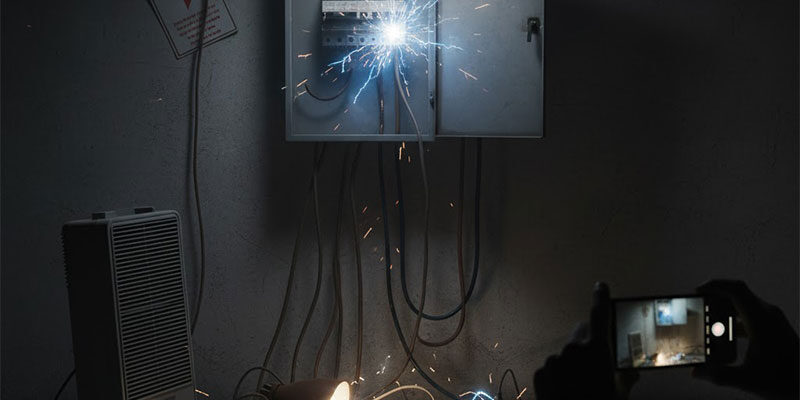
You just bought a new electric vehicle and you’re excited to install a Level 2 charger in your garage. The electrician comes out, takes one look at your electrical panel, and says, "We’re going to need to upgrade your panel first." Or maybe you’ve noticed your lights dimming every time the air conditioner kicks on during another scorching Sacramento summer. Perhaps you’re constantly resetting breakers and juggling which appliances you can use at the same time.
These are all signs that your electrical panel—the heart of your home’s electrical system—might be telling you it’s time for an upgrade.
I’m Brandon, one of the owners and lead electrician at Magic Sun Electric, and one of the most important conversations I have with homeowners throughout Sacramento and Placer County is about electrical panel capacity and safety. Your electrical panel isn’t something most people think about until there’s a problem, but recognizing the warning signs early can prevent safety issues, support your modern lifestyle, and save you from emergency repairs down the road.
Let me walk you through the seven warning signs that indicate your panel needs attention, what they mean, and why upgrading isn’t just about convenience—it’s about keeping your home safe and ready for modern life.
What Your Electrical Panel Actually Does
Before we dive into the warning signs, let’s talk about what your electrical panel actually does. Think of it as the heart of your home’s electrical system—it receives power from PG&E through your service entrance, then distributes that power to all the circuits throughout your home. Inside the panel are the circuit breakers that protect each individual circuit from overloads and short circuits.
Electrical panels are rated by their amperage capacity—60-amp, 100-amp, 200-amp, or 400-amp being the most common residential sizes. Many older homes in Carmichael, Fair Oaks, Auburn, and other established neighborhoods were built with 60-amp or 100-amp service. That was perfectly adequate in the 1960s, 70s, or even 80s when households used a fraction of the electricity we use today.
Modern homes typically need a minimum of 200-amp service, and larger homes with multiple major appliances, EV chargers, or other high-demand systems often benefit from 400-amp service.
Think of your electrical panel like a highway: 100-amp service is like a two-lane road trying to handle rush hour traffic in 2025. It might have worked fine in 1975, but it’s not designed for today’s volume.
For more technical information about residential electrical capacity standards, the Department of Energy offers helpful resources on electrical systems and efficiency.
The 7 Warning Signs Your Panel Needs an Upgrade
Warning Sign #1: Your Home Is 25+ Years Old With the Original Panel
If your home was built before 2000 and still has its original electrical panel, that’s your first clue that an upgrade might be in your future. Many beautiful homes in Roseville, Rocklin, Granite Bay, and Folsom were built in the 1990s or earlier with 100-amp service. At the time, that was considered standard and appropriate.
But here’s what’s changed: our electrical demands have tripled or quadrupled since then. In 1990, the average home didn’t have:
- Multiple computers, tablets, and smartphones charging constantly
- Home office setups with multiple monitors and equipment
- Central air conditioning running all summer (or if they did, it was much smaller)
- Electric vehicle chargers
- Smart home systems
- Modern kitchen appliances with higher power draws
Beyond the capacity issue, electrical panels also age. Breakers wear out, connections can loosen over time, and components degrade. Even if your panel technically has enough capacity, a 30-year-old panel with aging components may not be operating as safely or efficiently as it should.
If you’ve never had your electrical panel evaluated and your home is 25+ years old, it’s worth having a professional assessment—even if you’re not experiencing obvious problems.
Warning Sign #2: Frequent Breaker Trips (And You’re Constantly Juggling What’s On)
This goes beyond the occasional overload we talked about in our previous article about circuit breaker troubleshooting. I’m talking about a pattern where you’re constantly managing your electrical usage:
- Turning off the air conditioner before you can run the dryer
- Unable to use multiple kitchen appliances at the same time
- Shutting down home office equipment before someone can use a hairdryer
- Planning your electrical usage around what else is running
If this sounds familiar, you’re living at or beyond your panel’s capacity. You’re not just dealing with a single overloaded circuit—your entire electrical system is maxed out. This isn’t a sustainable way to live, and it puts stress on your entire electrical system that can lead to more serious problems down the road.
Warning Sign #3: Lights Dim When Major Appliances Start
Do your lights flicker or dim noticeably when your air conditioner compressor kicks on? What about when the dryer starts or the electric oven is turned on? This is a clear sign that your electrical system is struggling to handle the load.
This dimming happens because large appliances draw significant power when they start up. If your panel doesn’t have adequate capacity, that power draw causes a temporary voltage drop that affects your lighting circuits. This is especially common during Sacramento’s brutal summer months when air conditioning systems are running constantly and working hard to keep homes cool in 100+ degree heat.
While occasional minor dimming might not be cause for alarm, consistent, noticeable dimming indicates your panel is operating at or near capacity. It can also indicate loose or corroded connections in your panel or service entrance, which is a more serious safety concern.
Warning Sign #4: You’re Planning Major Electrical Additions
Planning any of these improvements? Your panel upgrade should probably be on the list too:
Electric Vehicle Charger: Level 2 EV chargers (the kind that actually charge your car efficiently overnight) require a dedicated 240-volt circuit and typically draw 30-50 amps. That’s a huge load that many older 100-amp panels simply can’t support while still powering the rest of your home.
Home Addition or Major Remodel: Adding square footage means adding electrical load. New rooms need lighting, outlets, possibly heating and cooling—all requiring new circuits and additional capacity.
Pool or Spa Installation: Pool pumps, heaters, and spa equipment require substantial electrical capacity and dedicated circuits with proper GFCI protection.
Central AC Installation or Upgrade: If you’re adding air conditioning or upgrading to a larger, more efficient system, you need to ensure your panel can handle it. This is especially relevant in Citrus Heights, Orangevale, and other areas where some older homes were built without central AC.
Solar Panel System: Many solar installations require panel upgrades to safely integrate the solar production with your home’s electrical system. Sacramento’s sunny climate makes us perfect for solar, but your panel needs to support the integration properly.
Major Kitchen Remodel: Modern kitchens have significantly higher electrical demands than kitchens from decades past—larger refrigerators, additional appliances, more outlets, under-cabinet lighting, and often upgraded cooking appliances.
It’s far better to upgrade your panel once to support all your future needs rather than trying to squeeze new circuits into an already maxed-out system. And in some cases, you simply can’t add the new circuits you need without a panel upgrade—there’s no physical space left, or there’s no capacity available.
Good news: if you’re upgrading your panel to support EV charging, energy-efficient appliances, or solar integration, you may qualify for rebates that can offset 10-30% of the upgrade cost. Check out our rebates and incentives page to learn more about available programs.
Warning Sign #5: You Have a Fuse Box Instead of Circuit Breakers
This is still more common than you might think, especially in older homes throughout Auburn, Lincoln, Newcastle, Fair Oaks, and other established neighborhoods. Fuse boxes are the predecessors to modern circuit breaker panels, and homes with fuse boxes typically have 60-amp service—barely adequate for modern life.
Beyond the capacity issue, old fuse boxes present several concerns:
Safety: Fuse technology is outdated, and these old panels can develop problems. Connections loosen over time, and the panels themselves may not meet modern safety standards.
Insurance: Some insurance companies require fuse box upgrades or charge higher premiums for homes with fuse boxes due to the increased fire risk.
Temptation to "oversafe": With fuse boxes, some homeowners (or previous owners) might have installed higher-amp fuses than the circuit wiring can safely handle—essentially removing the safety protection that the fuse is supposed to provide.
Inconvenience: When a fuse blows, you need to replace it with a new fuse. With breakers, you just reset them.
If you still have a fuse box, converting to a modern circuit breaker panel isn’t just about convenience—it’s an essential safety upgrade that brings your home’s electrical system into the 21st century.
Warning Sign #6: Visible Problems With Your Current Panel
You don’t need to be an electrician to spot some warning signs. Here’s what you can safely look for without opening your panel cover (and please, never open the panel cover yourself unless you’re trained—even the outside inspection should be done carefully):
Visual inspection tips for homeowners:
- Rust or corrosion on the panel exterior: This indicates moisture infiltration, which is extremely dangerous around electrical components
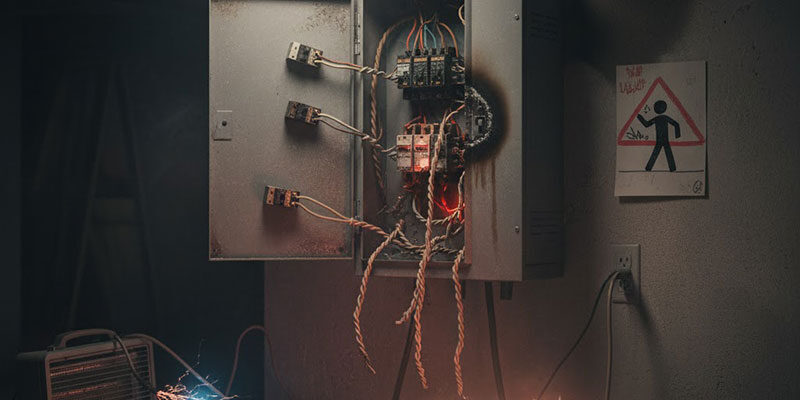
- Scorch marks or discoloration around the panel: Signs of overheating or arcing—serious fire hazard
- Panel feels warm or hot to touch: Panels may feel slightly warm during heavy use, but they should never be hot. Hot panels indicate dangerous resistance or poor connections
- Burning smell near the panel: Never ignore this. It could indicate melting insulation or overheating components
- Buzzing, crackling, or sizzling sounds from the panel: Electrical panels should be silent. Any sounds indicate loose connections, arcing, or other problems
- Breakers that won’t stay reset or feel loose: Worn-out breakers or connection problems
- Old panel brands with known problems: Federal Pacific Electric (FPE) and Zinsco panels are known to have serious safety defects and should be replaced even if they appear to be working
If you notice any of these signs during a visual inspection, it’s time to call a professional electrician for a thorough evaluation.
"Magic Sun Electric is an outstanding company. Chad Hurlock is so responsive. He must’ve fielded at least 10 emails from me before I contracted him. The electricians who came to replace two panels (as well as a few other items) were the most respectful, intelligent, fair and professional electricians. My number one priority was safety (in a very old home) and at every step of the repair process Chad’s team consulted me. During the process, we found other items that needed to be improved upon and the team brought me up to speed as to why they should be repaired as well as an estimated cost."
— Stacy H., Rocklin, CA
Warning Sign #7: Your Panel Is Full and You Need More Circuits
When electricians evaluate your panel and say "there’s no room," they mean your panel has no available spaces (slots) for additional circuit breakers. Modern panels typically have 40 spaces or more. Older panels might have only 12-24 spaces.
Some signs your panel is at capacity:
- No empty breaker spaces: Every slot is occupied
- Tandem breakers in use: These are breakers that fit two circuits into one breaker space—a band-aid solution that doesn’t add capacity
- Electricians having to get creative: If we’re having trouble finding a way to add the circuits you need, your panel is probably undersized
Even if we can technically squeeze another circuit into your panel, if you’re running out of space, it’s usually because your panel is fundamentally too small for your home’s needs. Modern panels have more spaces and higher amperage capacity, giving you room to grow and add circuits as your needs evolve.
Sacramento & Placer County Specific Considerations
Working throughout the Greater Sacramento area for years, I’ve noticed several local factors that make panel upgrades particularly important in our region:
Older Home Inventory: We have beautiful, well-established neighborhoods throughout Citrus Heights, Orangevale, Carmichael, and Fair Oaks. Many of these charming homes were built 40-60+ years ago and still have their original electrical panels. These homes were built for a completely different electrical lifestyle.
Hot Summers and AC Demands: When temperatures consistently hit 100-110 degrees from June through September, air conditioning isn’t a luxury—it’s essential. Older 100-amp panels often struggle to support modern central AC systems running constantly, especially when combined with all the other electrical demands of modern life.
EV Adoption: California leads the nation in electric vehicle adoption, and I see more EVs every day in Roseville, Granite Bay, Folsom, and throughout our service area. Charging at home is convenient and cost-effective, but it requires significant electrical capacity that many older homes simply don’t have.
Home Values and Improvements: Rising home values throughout Sacramento and Placer County mean more homeowners are investing in renovations, additions, and improvements. An outdated electrical panel can become an obstacle—both for the improvements themselves and in eventual home sales.
Solar Integration: Sacramento’s abundant sunshine makes our area perfect for solar energy. But solar systems often require panel upgrades for safe integration. If you’re considering solar (or already have a system), your electrical panel needs to support the proper connection.
PG&E Infrastructure: Our utility provider and occasional power quality issues make having a robust, modern electrical panel even more important. Your panel is the interface between PG&E’s power and your home—it should be up to the task.
Aging Infrastructure: Simply put, many areas in Sacramento and Placer County have older housing stock that needs electrical updates. It’s part of maintaining these homes for future generations.
Rebates Can Help: The good news is that panel upgrades supporting EV charging, energy efficiency improvements, or solar integration may qualify for rebates that can save 10-30% on your upgrade costs. These programs make necessary upgrades more accessible. Visit our rebates and incentives page to explore current programs.
What Modern Life Demands From Your Electrical System
Let’s put this in perspective. Here’s what a typical household’s electrical demands looked like when many of our older homes were built, versus what modern families need:
A home in the 1970s:
- Basic lighting throughout
- One television and maybe a radio
- Kitchen appliances: refrigerator, electric stove, possibly a dishwasher
- Washer and dryer
- Maybe window AC units in one or two rooms
- Minimal outlets per room
A modern home in 2025:
- LED lighting throughout (lower demand) but far more fixtures
- Multiple computers, tablets, and smartphones charging constantly
- Home office setups with multiple monitors, printers, networking equipment
- Smart home devices: doorbell cameras, security systems, smart thermostats, voice assistants
- Central air conditioning running constantly during Sacramento summers
- Multiple large-screen TVs, gaming systems, streaming devices
- Electric vehicle charger drawing 30-50 amps
- Modern kitchen with larger refrigerators, microwaves, coffee makers, toasters, blenders, and more
- Pool or spa equipment
- Home gym equipment
- Upgraded bathroom with heated floors or towel warmers
- Outdoor entertainment systems
- More outlets and circuits in every room
We’re not just using more devices—many modern appliances and systems individually draw more power than their predecessors. Your 1970s electrical panel trying to support modern life is like trying to run the latest software on a computer from the 1980s. It might technically work for a while, but it’s not pretty, it’s not efficient, and eventually something’s going to fail.
The Panel Upgrade Process: What to Expect
If you’re wondering what a panel upgrade actually involves, let me walk you through how we approach these projects at Magic Sun Electric:
Step 1: Assessment We start with a thorough evaluation of your current electrical panel, its capacity, and its condition. We’ll discuss your current needs and any future plans—EV charger? Solar? Home addition? This helps us calculate the right capacity for your upgrade. We provide free panel capacity assessments because understanding your needs is the foundation of doing the job right.
Step 2: Clear Recommendations Based on our assessment, we’ll recommend the appropriate panel size. For most homes in Sacramento and Placer County, we typically recommend 200-amp service as a minimum. Larger homes or those with significant electrical demands (multiple EVs, pools, large HVAC systems) may benefit from 400-amp service. We’ll explain our recommendations clearly and answer all your questions.
Step 3: Professional Installation Panel upgrades require coordination with PG&E (they need to disconnect and reconnect your service), and permits and inspections are required. We handle all of that coordination for you. The actual installation is typically completed in one day with minimal disruption to your routine. We treat your home respectfully and leave the work area clean.
Step 4: Final Inspection and Walkthrough After installation, a city or county inspector will verify that everything meets current electrical code. Once we pass inspection, we’ll walk you through your new panel, showing you how it works and pointing out its features. We also properly label all your circuits—no more guessing which breaker controls what!
Benefits you’ll notice immediately after upgrading:
- Reliable power for all your needs—no more juggling
- Support for modern conveniences like EV charging, solar, and home additions
- No more dimming lights or frequent breaker trips
- Properly labeled circuits (you’ll finally know what each breaker controls!)
- Increased home value and improved home sale prospects
- Potentially better home insurance rates
- Most importantly: peace of mind about your home’s electrical safety
"Just like MAGIC SUN SOLAR, the electric division is GREAT. A PG&E power surge blew out a circuit and they quickly diagnosed the problem and FIXED it. They also installed a ceiling fan for us. Fast and Professional."
— Steve H., Rocklin, CA
Beyond Safety: Other Benefits of Panel Upgrades
While safety is the primary reason to upgrade an outdated electrical panel, there are several other important benefits worth considering:
Home Value: A modern, properly-sized electrical panel is a selling point when it comes time to sell your home. Conversely, an outdated panel—especially a fuse box or a panel with known safety issues—is often flagged during home inspections and can become a negotiating point or even a deal-breaker for potential buyers.
Insurance: Some insurance companies offer discounts for updated electrical systems. Others may require panel upgrades as a condition of coverage, particularly for older homes or homes with known problematic panels like Federal Pacific or Zinsco.
Future-Proofing: Installing 200-amp or 400-amp service now means you have the capacity for whatever comes next. Planning to add a second EV? Considering a home battery storage system? Want to expand your smart home setup? You’ll have the capacity to grow.
Code Compliance: Panel upgrades bring your electrical system up to current National Electrical Code (NEC) standards, incorporating modern safety features like AFCI and GFCI protection where required.
Energy Efficiency: Modern panels work more efficiently with smart home systems, load management features, and energy monitoring. They’re designed to support the energy-efficient future, not the energy-intensive past.
How Magic Sun Electric Can Help
With my C10 electrical contractor license and NABCEP certification, I take electrical safety and quality seriously. Over the years, our team has completed hundreds of panel upgrades throughout Sacramento and Placer County. We understand local building codes, work efficiently with PG&E coordination, and maintain clear communication throughout the entire process.
Here’s what we provide for every panel upgrade:
- Free panel capacity assessment: We’ll evaluate your current system at no charge
- Clear, honest communication: We’ll explain exactly what you need and why—no overselling, no confusing technical jargon
- Transparent estimates: You’ll know the cost upfront with no surprises
- Complete permit coordination: We handle all the paperwork and scheduling
- Professional installation: Licensed, experienced electricians who respect your home
- Final inspection coordination: We’ll be there for the city/county inspection and make sure everything passes
- Properly documented system: Your new panel will be clearly labeled and you’ll have documentation of your upgrade
We serve homeowners throughout Sacramento and Placer County—from Sacramento to Auburn, Roseville to Folsom, Lincoln to Rancho Cordova, and all areas in between. We’re local, we’re licensed, and we’re committed to keeping our community’s homes safe and functional.
Our approach is straightforward: if your panel is fine, we’ll tell you. If you need an upgrade, we’ll explain exactly why and what your options are. We’re not here to oversell—we’re here to provide honest, professional guidance on your home’s electrical needs.
Learn more about our electrical panel services on our electrical services page, or check out our FAQ & Resources for additional information on electrical systems and safety.
Don’t Wait for an Emergency
Your electrical panel is the foundation of your home’s electrical system. When it’s not up to the task—whether due to age, capacity, or condition—every electrical system in your home is potentially at risk. The warning signs we’ve discussed are your panel’s way of telling you it needs help.
The good news is that panel upgrades are straightforward projects that can typically be completed in a day. And unlike emergency electrical repairs, a planned panel upgrade happens on your schedule, not because your system failed at the worst possible time.
Modern life demands modern electrical infrastructure. If you’re seeing any of these warning signs—or if you’re planning improvements that will increase your electrical demands—now is the time to evaluate your panel rather than waiting until you’re forced to upgrade during an emergency.
If you’re seeing any of these warning signs, or if you’re simply not sure whether your panel is adequate for your needs, let’s schedule a free panel assessment. I’ll evaluate your current system, discuss your needs and future plans, and give you honest, professional recommendations about whether an upgrade makes sense for your home.
We’re not here to pressure you—we’re here to provide expert guidance and, when the time is right, professional service that brings your home’s electrical system up to modern standards safely and reliably.
Ready to ensure your home’s electrical system is safe and ready for modern life?
Call Magic Sun Electric at (916) 794-0448 or contact us online to schedule your free panel capacity assessment. Let’s make sure your home has the electrical foundation it needs—now and for years to come.
Your home’s electrical system is too important to ignore. Let’s make sure it’s ready for everything modern life throws at it—safely and reliably.
Brandon is a C10 licensed electrical contractor (License #953640) and NABCEP certified professional with Magic Sun Electric. With years of experience installing and upgrading electrical panels throughout Sacramento and Placer County, he’s helped hundreds of homeowners modernize their electrical systems safely and efficiently.