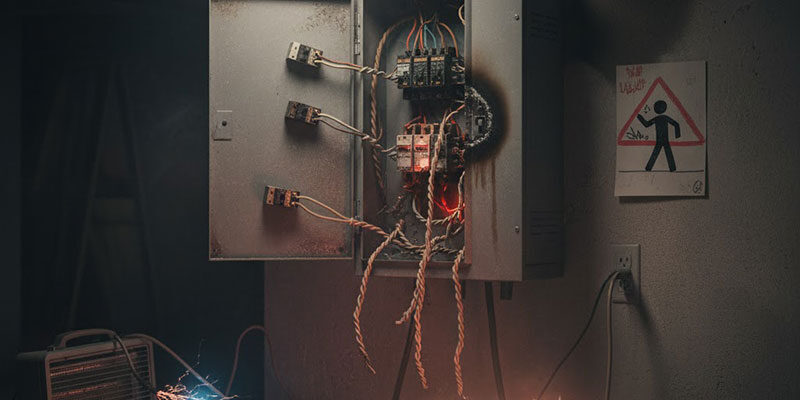

Magic Sun Electric Blog Post

Selling Your Sacramento Home? Electrical Upgrades That Boost Property Value

You’re preparing to sell your home. The realtor is lined up, you’ve got fresh paint on the walls, landscaping looks great, and you’re planning professional staging. But have you considered your home’s electrical system? In Sacramento’s competitive real estate market, electrical issues discovered during home inspections can derail sales, reduce offers by thousands of dollars, or at minimum create delays and stress you don’t need.

I’m Brandon from Magic Sun Electric, and I work with many homeowners preparing to sell their homes in Sacramento and Placer County. I’ve seen deals nearly fall apart over outdated electrical panels. I’ve watched buyers negotiate thousands off the asking price after inspections reveal missing GFCI protection or aluminum wiring. And I’ve helped sellers strategically upgrade their electrical systems before listing, turning potential liabilities into selling points.

Let me walk you through what home inspectors look for, which electrical upgrades actually boost your property value, what prevents deal-breaking issues, and how to position your home’s electrical system as an asset rather than a liability. Whether you’re in an older home in Carmichael or Fair Oaks, or a newer property in Roseville or Granite Bay, understanding the electrical considerations for home sales can make a significant difference in your outcome.

What Home Inspectors Look For in Your Electrical System

Home inspectors scrutinize electrical systems closely, and they find issues in the majority of older homes. These discoveries can tank deals entirely, significantly reduce offers, or result in buyers demanding repairs or substantial credits. It’s far better to address potential issues proactively than to discover them during the inspection period when you have less negotiating leverage.

Common Red Flags That Inspectors Flag

Outdated electrical panels are perhaps the biggest red flag. Federal Pacific Electric (FPE) and Zinsco panels are known to have safety defects and will almost certainly be flagged. Old fuse boxes signal that the home’s electrical system hasn’t been updated in decades. Insufficient amperage—typically 60 or 100-amp service in older homes—tells buyers the electrical system can’t support modern life.

Aluminum wiring, common in homes built in the 1960s and 70s throughout Carmichael, Fair Oaks, and other established Sacramento neighborhoods, requires special handling and often concerns buyers and their lenders. Knob-and-tube wiring in very old homes in Auburn and older Sacramento neighborhoods is an immediate issue that lenders may refuse to finance until corrected.

Missing GFCI protection in kitchens, bathrooms, outdoor areas, and garages violates current code and represents a safety issue. Ungrounded outlets—those old two-prong outlets—date your home and create safety concerns for modern electronics. DIY electrical work that’s unpermitted or obviously unsafe will be called out. Overloaded circuits, outdated wiring methods, and missing or incorrectly installed smoke and carbon monoxide detectors all appear in inspection reports.

Sacramento-Specific Considerations

Many homes in established Sacramento and Placer County areas were built in the 1960s through 1980s and still have their original electrical systems. Modern buyers expect modern electrical systems that can handle today’s demands—home offices, multiple devices, electric vehicle chargers, smart home systems. In Sacramento’s competitive real estate market, homes need to show well, and outdated electrical systems work against you.

The Real Cost of Electrical Issues

When inspections reveal electrical problems, buyers typically request repairs or price reductions to cover the cost of fixes plus contingency. Deals get delayed while issues are negotiated and addressed. Sometimes deals fall through entirely when buyers get spooked by significant electrical problems. It’s almost always better to address issues proactively before listing rather than negotiating from a position of weakness after an inspection.

Learn more about our comprehensive electrical services on our electrical services page.

High-ROI Electrical Upgrades Before Listing Your Home

Some electrical upgrades genuinely add value to your home while also preventing inspection issues. Here are the upgrades that deliver the strongest return on investment for Sacramento area home sellers:

Electrical Panel Upgrades: The Foundation

Outdated electrical panels are major red flags for buyers and inspectors. Upgrading from 60 or 100-amp service to 200-amp service addresses a fundamental concern and supports modern electrical demands. Buyers expect adequate electrical capacity for their needs—multiple computers, smart home devices, electric vehicle chargers, modern appliances.

The ROI on panel upgrades often approaches 100% in Sacramento’s market, particularly for older homes. Beyond the financial return, it prevents inspection issues that could otherwise derail your sale. You can market this as a selling point: “Recently upgraded to 200-amp electrical panel” tells buyers the home is ready for modern life.

This upgrade is particularly essential for older homes throughout Sacramento and Placer County where original 60-100 amp panels are common.

GFCI Outlet Installation: Code Compliance Matters

Current electrical code requires GFCI protection in kitchens, bathrooms, outdoor areas, garages, and other locations where water and electricity might meet. Older homes frequently lack this protection, and inspectors will flag it every time.

GFCI outlet installation is relatively inexpensive but has significant impact. It demonstrates that your home meets current safety standards. It’s an easy selling point that shows the home has been properly maintained. For the modest cost, you prevent a guaranteed inspection issue and show buyers you’ve taken care of the property.

Grounded Outlets Throughout Your Home

Three-prong grounded outlets are expected in modern homes. Two-prong outlets immediately date your home and raise safety concerns for modern electronics. Upgrading to grounded outlets throughout is relatively affordable and makes your home feel current rather than dated.

Buyers plugging in their phone chargers during showings shouldn’t encounter two-prong outlets that send a message that the home’s electrical system is decades old.

Modern Lighting and Fixtures

Lighting makes a tremendous difference in how your home shows. Modern lighting fixtures replace dated 1980s-90s styles that scream “old home.” LED lighting throughout signals energy efficiency and low operating costs. Recessed lighting in kitchens and living areas provides contemporary appeal. Under-cabinet kitchen lighting adds both function and a high-end feel. Quality outdoor lighting enhances security and curb appeal. Landscape lighting highlights your property and creates inviting evening ambiance.

First impressions matter in real estate, and lighting is a major component of those impressions. Updated lighting helps your home show better and signals to buyers that the home has been cared for and updated.

Smart Home Features: Modern Buyers Expect Technology

Smart thermostats like Nest or Ecobeat demonstrate energy consciousness and provide real data on energy savings. Smart switches in key areas show the home is tech-ready without requiring comprehensive automation. Smart doorbell cameras combine security with modern convenience.

These features appeal particularly to younger buyers who expect smart home capability. They’re relatively affordable to add and signal that your home is modern and move-in ready. Energy efficiency is a genuine selling point, especially in Sacramento where summer cooling costs are substantial.

EV Charger Installation: California’s Electric Future

California leads the nation in electric vehicle adoption. In higher-end areas like Roseville, Granite Bay, and Folsom, many buyers already own or plan to purchase an EV. A pre-installed Level 2 charger can be a significant differentiator in the market. Even having “EV ready” wiring installed—meaning the dedicated 240-volt circuit is run to the garage, ready for charger installation—adds appeal.

The ROI varies by neighborhood and price point, but the trend is unmistakably toward EV adoption. For homes in areas where EVs are common, this can genuinely influence buyer decisions.

Outdoor Electrical Upgrades

Adequate outdoor outlets with proper GFCI protection, quality security lighting, professional landscape lighting, and pool or spa equipment that’s up to code all contribute to curb appeal and functionality. Remember that buyers often drive by properties before scheduling showings—outdoor lighting and well-lit entries make positive impressions.

“Magic Sun Electric is an outstanding company. Chad Hurlock is so responsive. The electricians who came to replace two panels (as well as a few other items) were the most respectful, intelligent, fair and professional electricians. My number one priority was safety (in a very old home) and at every step of the repair process Chad’s team consulted me.”

— Stacy H., Rocklin, CA

Upgrades That Prevent Deal-Breakers

It’s important to distinguish between upgrades that add value above your asking price and upgrades that prevent issues which could reduce offers or kill deals. Some electrical work doesn’t necessarily boost your home’s value, but it prevents value loss—and that’s equally important.

Addressing Safety Issues

If your home has knob-and-tube wiring or aluminum wiring, you’ll likely need to address this before sale. Fixing obvious DIY electrical work that’s unpermitted or unsafe prevents red flags. Correcting code violations ensures you won’t face demands for repairs or credits. Installing proper smoke and carbon monoxide detectors throughout meets basic safety requirements.

These upgrades don’t add value above market rates, but they prevent problems that could reduce your selling price or eliminate potential buyers whose lenders won’t approve loans for homes with significant electrical deficiencies.

Bringing Systems to Current Code

Proper GFCI protection throughout, adequate grounding in all areas, sufficient circuits for your home’s size, safe outdoor electrical installations, and arc-fault protection where required by current code—these are all baseline expectations. Homes that don’t meet these standards face negotiation challenges.

The Financial Calculation

Addressing electrical issues before listing means you control the cost and timing. You choose the contractor, manage the budget, and complete work on your schedule. If inspectors find issues after you’ve accepted an offer, you’re negotiating from weakness. Buyers often request more extensive repairs than necessary or demand credits exceeding actual repair costs. Better to address known issues proactively.

What Not to Overdo

Don’t upgrade beyond your neighborhood’s standards. A $400,000 home doesn’t need $15,000 in premium smart home automation—you won’t recoup that investment. Focus on safety, functionality, and meeting modern standards rather than luxury features. Match market expectations for your specific area and price point.

Sacramento Real Estate Market Considerations

Buyer expectations vary significantly across Sacramento and Placer County based on location and price point.

Established Neighborhoods

In areas like Carmichael, Fair Oaks, Auburn, and Orangevale where many homes date to the 1960s-80s, buyers expect to see updates in older homes. Electrical systems in these neighborhoods are often original, and addressing this creates a competitive advantage. Updated electrical signals to buyers that the home has been properly maintained and won’t require immediate major investments.

Roseville, Granite Bay, and Folsom

These higher price point areas come with elevated buyer expectations. Modern amenities aren’t optional—they’re expected. Smart home features, contemporary lighting, and EV charging capability are increasingly standard expectations. The competition in these areas means every advantage matters when multiple homes vie for buyers’ attention.

Rocklin, Lincoln, and Citrus Heights

These areas feature mixed-age housing stock. Newer homes need to showcase modern electrical, while older homes require updates to compete effectively. Buyers comparing a 1970s home with original electrical against a similar home with updated systems will favor the updated property.

Investment and Rental Properties

Investors and landlords particularly avoid deferred maintenance. They calculate potential costs carefully, and electrical issues discovered during inspection dramatically reduce their offers. Safety and code compliance are critical for rental properties. Electrical deficiencies give investors significant negotiating leverage.

Current Market Dynamics

Sacramento’s real estate market remains competitive in many areas and price ranges. Buyers have choices, which means homes need to show well and present minimal concerns. Electrical issues discovered during inspection give buyers negotiating leverage at precisely the moment you want to maintain a strong position. Proactive upgrades keep you in control of the transaction.

Updated electrical systems can support higher appraisals by demonstrating that the home is well-maintained and ready for modern use. Energy-efficient features like LED lighting and smart thermostats appeal to cost-conscious buyers who calculate monthly ownership expenses.

For more information about energy-efficient home features and their value, Energy Star provides resources on how energy improvements affect home value.

Timing: When to Complete Electrical Upgrades

The timing of electrical upgrades significantly affects your outcome and negotiating position.

Before Listing: The Ideal Approach

Completing electrical upgrades before listing gives you maximum advantage. Address all known issues, complete major upgrades like panel replacements, obtain all permits and pass inspections, and have complete documentation ready to provide buyers. You can actively market the upgrades as selling points, and you maintain the strongest possible negotiating position.

Some sellers pursue a pre-inspection strategy, hiring an inspector before listing to identify issues early. This allows you to address problems before buyers discover them, and you can disclose proactively with documentation showing you’ve handled any issues responsibly.

After Offer: Less Advantageous

If inspections reveal electrical issues after you’ve accepted an offer, you’re negotiating from a weaker position. Buyers may request more extensive work than actually necessary. Delays in addressing issues can push closing dates and create stress. In some markets and situations, it’s better to address known issues before listing even if it means delaying your listing date slightly.

Cost-Benefit Analysis

Major safety issues absolutely must be addressed—there’s no question about rewiring if you have knob-and-tube wiring or addressing Federal Pacific panels. Value-adding upgrades should be evaluated based on ROI in your specific market—discuss with both your realtor and an electrician. Cosmetic electrical updates like modern lighting fixtures should be completed if your existing fixtures are dated. Consult with your real estate agent and a licensed electrician to determine which upgrades make sense for your specific situation.

Documentation Protects Your Investment

Keeping thorough records of all electrical work provides multiple benefits when selling your home.

Maintain Complete Records

Keep copies of all permits pulled and certificates of completion, inspection certificates from the building department, receipts and invoices from all electrical work, warranty information for equipment and labor, and before-and-after photos of major projects.

This documentation demonstrates that work was completed properly by licensed contractors. It provides buyer confidence that they’re purchasing a home that’s been professionally maintained. It supports your asking price by showing the value of investments you’ve made. It smooths the closing process by preemptively answering questions. And it protects against future disputes about what work was completed and by whom.

What to Provide Buyers

Be prepared to provide electrical panel specifications and age, complete permit history for electrical work, transferable warranty information, maintenance records for major systems, and documentation of upgrades completed. Organized documentation presents you as a responsible homeowner who has maintained the property properly—exactly the impression you want to make.

Energy Efficiency as a Selling Point

Today’s buyers pay attention to operating costs, and energy-efficient features genuinely influence purchase decisions.

Electrical Upgrades That Reduce Operating Costs

LED lighting throughout your home uses a fraction of the energy of older bulbs. Smart thermostats reduce heating and cooling costs—particularly valuable in Sacramento where summer air conditioning represents a major expense. A 200-amp electrical panel that’s “solar ready” appeals to environmentally conscious buyers considering future solar installation. Whole-home energy monitoring systems that track usage help buyers understand and optimize their consumption.

Marketing the Savings

Don’t just make the upgrades—market them. Language like “Recently upgraded to energy-efficient LED lighting throughout,” “Smart thermostat reduces cooling costs by up to 20%,” or “200-amp panel supports future solar installation” communicates tangible value. If you have documentation of actual monthly savings, share it. Sacramento’s summer cooling costs make energy efficiency particularly relevant—buyers care about what their summer electric bills will be.

“They installed power to my new gate openers, and for a new carport. This involved underground conduit, wire, and connections. Chad’s on-location consult was prompt and informative, and he continued to remain responsive to my texts when I had several questions. His team did the work timely and gave me good advice. The work appears to be of high quality.”

— Alec S., Granite Bay, CA

What Buyers at Different Price Points Expect

Electrical expectations vary significantly by price range in Sacramento’s market.

Entry-Level Homes ($400,000-$600,000)

Buyers at this price point primarily need safe, functional electrical systems that meet code. They expect basic modern updates like GFCI protection and grounded outlets throughout. Luxury features aren’t necessary, but safety and functionality are non-negotiable.

Mid-Range Homes ($600,000-$900,000)

These buyers expect updated electrical systems with adequate capacity, some smart home features showing the home is current, modern lighting throughout, and consideration for EV charging capability even if not yet installed. Competition in this price range means electrical upgrades can differentiate your property.

High-End Homes ($900,000+)

At higher price points, comprehensive smart home capability, high-end lighting design, installed EV charging, whole-home automation systems, and everything modern and premium become expected rather than optional. Buyers at this level compare your home against others with these features—you need to match or exceed market standards.

Investment and Rental Properties

Investors prioritize safety and reliability above aesthetics. Code compliance is essential—they can’t rent properties with violations. Durable systems matter more than luxury finishes. Energy efficiency reduces their operating costs, which directly affects their investment returns.

How Magic Sun Electric Helps Home Sellers

We understand the unique electrical considerations for home sales and work regularly with homeowners preparing to list their properties.

Our Pre-Sale Electrical Services

We provide comprehensive electrical system assessments identifying potential inspection issues before buyers’ inspectors find them. We recommend value-adding upgrades based on your budget and market positioning. We prioritize projects to maximize impact within your budget and timeline. And we provide transparent pricing so you can plan your pre-sale investment effectively.

Comprehensive Electrical Upgrades

We handle electrical panel upgrades from outdated systems to modern 200-amp service, GFCI installation throughout your home, grounding and rewiring as needed, complete lighting upgrades both indoor and outdoor, smart home feature installation, EV charger installation or “EV ready” circuit preparation, all necessary permits and inspections, and complete documentation for buyer confidence.

Fast Turnaround for Sellers

We understand the time pressure of preparing homes for sale. We schedule efficiently to meet your listing timeline, complete professional and clean work that’s ready to show, and get you to market quickly without compromising quality.

Working With Real Estate Professionals

We work with real estate agents throughout Sacramento and Placer County regularly. We understand what buyers expect in different neighborhoods and price points. We know what home inspectors commonly flag. And we help price upgrades appropriately based on market conditions and expected returns.

We serve the entire Sacramento and Placer County region—from Sacramento to Auburn, Roseville to Folsom, and all communities in between. Visit our FAQ & Resources page for additional information about electrical systems and home maintenance.

Maximize Your Home’s Value With Strategic Electrical Upgrades

Your home’s electrical system plays a critical role in successful home sales. Inspection issues can derail deals or reduce offers by thousands of dollars. Proactive upgrades strengthen your negotiating position and can add genuine value. Some upgrades prevent value loss, while others create selling points that differentiate your property. Sacramento’s competitive market means every advantage helps when multiple homes compete for buyers.

Proper documentation and permits provide buyer confidence and smooth the transaction process. The electrical work you complete before listing can mean the difference between a smooth sale at your asking price and protracted negotiations with stressed timelines.

Planning to sell your Sacramento or Placer County home? Let’s assess your electrical system before you list. We provide free pre-sale electrical assessments that identify potential inspection issues, recommend strategic upgrades based on your budget and market, prioritize projects for maximum impact, and provide transparent pricing for planning your pre-sale investments.

Our goal is to help you maximize your home’s value and avoid preventable issues that could complicate your sale or reduce your proceeds.

Call Magic Sun Electric at (916) 794-0448 or contact us online to schedule your pre-sale electrical assessment. Whether you need a complete panel upgrade, strategic updates to appeal to modern buyers, or simply want to ensure your home will pass inspection without issues, we’re here to help you achieve the best possible outcome.

Your home’s electrical system can either be a compelling selling point or a deal obstacle. Let’s make sure it’s working for you, not against you, when you list your home.


Brandon is a C10 licensed electrical contractor (License #953640) and NABCEP certified professional with Magic Sun Electric. With extensive experience helping Sacramento and Placer County homeowners prepare their homes for sale, he understands which electrical upgrades deliver the strongest return on investment and prevent common inspection issues.

Magic Sun Electric Blog Post

7 Warning Signs You Need an Electrical Panel Upgrade (Before It’s Too Late)

You just bought a new electric vehicle and you’re excited to install a Level 2 charger in your garage. The electrician comes out, takes one look at your electrical panel, and says, "We’re going to need to upgrade your panel first." Or maybe you’ve noticed your lights dimming every time the air conditioner kicks on during another scorching Sacramento summer. Perhaps you’re constantly resetting breakers and juggling which appliances you can use at the same time.

These are all signs that your electrical panel—the heart of your home’s electrical system—might be telling you it’s time for an upgrade.

I’m Brandon, one of the owners and lead electrician at Magic Sun Electric, and one of the most important conversations I have with homeowners throughout Sacramento and Placer County is about electrical panel capacity and safety. Your electrical panel isn’t something most people think about until there’s a problem, but recognizing the warning signs early can prevent safety issues, support your modern lifestyle, and save you from emergency repairs down the road.

Let me walk you through the seven warning signs that indicate your panel needs attention, what they mean, and why upgrading isn’t just about convenience—it’s about keeping your home safe and ready for modern life.

What Your Electrical Panel Actually Does

Before we dive into the warning signs, let’s talk about what your electrical panel actually does. Think of it as the heart of your home’s electrical system—it receives power from PG&E through your service entrance, then distributes that power to all the circuits throughout your home. Inside the panel are the circuit breakers that protect each individual circuit from overloads and short circuits.

Electrical panels are rated by their amperage capacity—60-amp, 100-amp, 200-amp, or 400-amp being the most common residential sizes. Many older homes in Carmichael, Fair Oaks, Auburn, and other established neighborhoods were built with 60-amp or 100-amp service. That was perfectly adequate in the 1960s, 70s, or even 80s when households used a fraction of the electricity we use today.

Modern homes typically need a minimum of 200-amp service, and larger homes with multiple major appliances, EV chargers, or other high-demand systems often benefit from 400-amp service.

Think of your electrical panel like a highway: 100-amp service is like a two-lane road trying to handle rush hour traffic in 2025. It might have worked fine in 1975, but it’s not designed for today’s volume.

For more technical information about residential electrical capacity standards, the Department of Energy offers helpful resources on electrical systems and efficiency.

The 7 Warning Signs Your Panel Needs an Upgrade

Warning Sign #1: Your Home Is 25+ Years Old With the Original Panel

If your home was built before 2000 and still has its original electrical panel, that’s your first clue that an upgrade might be in your future. Many beautiful homes in Roseville, Rocklin, Granite Bay, and Folsom were built in the 1990s or earlier with 100-amp service. At the time, that was considered standard and appropriate.

But here’s what’s changed: our electrical demands have tripled or quadrupled since then. In 1990, the average home didn’t have:

  • Multiple computers, tablets, and smartphones charging constantly
  • Home office setups with multiple monitors and equipment
  • Central air conditioning running all summer (or if they did, it was much smaller)
  • Electric vehicle chargers
  • Smart home systems
  • Modern kitchen appliances with higher power draws

Beyond the capacity issue, electrical panels also age. Breakers wear out, connections can loosen over time, and components degrade. Even if your panel technically has enough capacity, a 30-year-old panel with aging components may not be operating as safely or efficiently as it should.

If you’ve never had your electrical panel evaluated and your home is 25+ years old, it’s worth having a professional assessment—even if you’re not experiencing obvious problems.

Warning Sign #2: Frequent Breaker Trips (And You’re Constantly Juggling What’s On)

This goes beyond the occasional overload we talked about in our previous article about circuit breaker troubleshooting. I’m talking about a pattern where you’re constantly managing your electrical usage:

  • Turning off the air conditioner before you can run the dryer
  • Unable to use multiple kitchen appliances at the same time
  • Shutting down home office equipment before someone can use a hairdryer
  • Planning your electrical usage around what else is running

If this sounds familiar, you’re living at or beyond your panel’s capacity. You’re not just dealing with a single overloaded circuit—your entire electrical system is maxed out. This isn’t a sustainable way to live, and it puts stress on your entire electrical system that can lead to more serious problems down the road.

Warning Sign #3: Lights Dim When Major Appliances Start

Do your lights flicker or dim noticeably when your air conditioner compressor kicks on? What about when the dryer starts or the electric oven is turned on? This is a clear sign that your electrical system is struggling to handle the load.

This dimming happens because large appliances draw significant power when they start up. If your panel doesn’t have adequate capacity, that power draw causes a temporary voltage drop that affects your lighting circuits. This is especially common during Sacramento’s brutal summer months when air conditioning systems are running constantly and working hard to keep homes cool in 100+ degree heat.

While occasional minor dimming might not be cause for alarm, consistent, noticeable dimming indicates your panel is operating at or near capacity. It can also indicate loose or corroded connections in your panel or service entrance, which is a more serious safety concern.

Warning Sign #4: You’re Planning Major Electrical Additions

Planning any of these improvements? Your panel upgrade should probably be on the list too:

Electric Vehicle Charger: Level 2 EV chargers (the kind that actually charge your car efficiently overnight) require a dedicated 240-volt circuit and typically draw 30-50 amps. That’s a huge load that many older 100-amp panels simply can’t support while still powering the rest of your home.

Home Addition or Major Remodel: Adding square footage means adding electrical load. New rooms need lighting, outlets, possibly heating and cooling—all requiring new circuits and additional capacity.

Pool or Spa Installation: Pool pumps, heaters, and spa equipment require substantial electrical capacity and dedicated circuits with proper GFCI protection.

Central AC Installation or Upgrade: If you’re adding air conditioning or upgrading to a larger, more efficient system, you need to ensure your panel can handle it. This is especially relevant in Citrus Heights, Orangevale, and other areas where some older homes were built without central AC.

Solar Panel System: Many solar installations require panel upgrades to safely integrate the solar production with your home’s electrical system. Sacramento’s sunny climate makes us perfect for solar, but your panel needs to support the integration properly.

Major Kitchen Remodel: Modern kitchens have significantly higher electrical demands than kitchens from decades past—larger refrigerators, additional appliances, more outlets, under-cabinet lighting, and often upgraded cooking appliances.

It’s far better to upgrade your panel once to support all your future needs rather than trying to squeeze new circuits into an already maxed-out system. And in some cases, you simply can’t add the new circuits you need without a panel upgrade—there’s no physical space left, or there’s no capacity available.

Good news: if you’re upgrading your panel to support EV charging, energy-efficient appliances, or solar integration, you may qualify for rebates that can offset 10-30% of the upgrade cost. Check out our rebates and incentives page to learn more about available programs.

Warning Sign #5: You Have a Fuse Box Instead of Circuit Breakers

This is still more common than you might think, especially in older homes throughout Auburn, Lincoln, Newcastle, Fair Oaks, and other established neighborhoods. Fuse boxes are the predecessors to modern circuit breaker panels, and homes with fuse boxes typically have 60-amp service—barely adequate for modern life.

Beyond the capacity issue, old fuse boxes present several concerns:

Safety: Fuse technology is outdated, and these old panels can develop problems. Connections loosen over time, and the panels themselves may not meet modern safety standards.

Insurance: Some insurance companies require fuse box upgrades or charge higher premiums for homes with fuse boxes due to the increased fire risk.

Temptation to "oversafe": With fuse boxes, some homeowners (or previous owners) might have installed higher-amp fuses than the circuit wiring can safely handle—essentially removing the safety protection that the fuse is supposed to provide.

Inconvenience: When a fuse blows, you need to replace it with a new fuse. With breakers, you just reset them.

If you still have a fuse box, converting to a modern circuit breaker panel isn’t just about convenience—it’s an essential safety upgrade that brings your home’s electrical system into the 21st century.

Warning Sign #6: Visible Problems With Your Current Panel

You don’t need to be an electrician to spot some warning signs. Here’s what you can safely look for without opening your panel cover (and please, never open the panel cover yourself unless you’re trained—even the outside inspection should be done carefully):

Visual inspection tips for homeowners:

  • Rust or corrosion on the panel exterior: This indicates moisture infiltration, which is extremely dangerous around electrical components
  • Scorch marks or discoloration around the panel: Signs of overheating or arcing—serious fire hazard
  • Panel feels warm or hot to touch: Panels may feel slightly warm during heavy use, but they should never be hot. Hot panels indicate dangerous resistance or poor connections
  • Burning smell near the panel: Never ignore this. It could indicate melting insulation or overheating components
  • Buzzing, crackling, or sizzling sounds from the panel: Electrical panels should be silent. Any sounds indicate loose connections, arcing, or other problems
  • Breakers that won’t stay reset or feel loose: Worn-out breakers or connection problems
  • Old panel brands with known problems: Federal Pacific Electric (FPE) and Zinsco panels are known to have serious safety defects and should be replaced even if they appear to be working

If you notice any of these signs during a visual inspection, it’s time to call a professional electrician for a thorough evaluation.

"Magic Sun Electric is an outstanding company. Chad Hurlock is so responsive. He must’ve fielded at least 10 emails from me before I contracted him. The electricians who came to replace two panels (as well as a few other items) were the most respectful, intelligent, fair and professional electricians. My number one priority was safety (in a very old home) and at every step of the repair process Chad’s team consulted me. During the process, we found other items that needed to be improved upon and the team brought me up to speed as to why they should be repaired as well as an estimated cost."

— Stacy H., Rocklin, CA

Warning Sign #7: Your Panel Is Full and You Need More Circuits

When electricians evaluate your panel and say "there’s no room," they mean your panel has no available spaces (slots) for additional circuit breakers. Modern panels typically have 40 spaces or more. Older panels might have only 12-24 spaces.

Some signs your panel is at capacity:

  • No empty breaker spaces: Every slot is occupied
  • Tandem breakers in use: These are breakers that fit two circuits into one breaker space—a band-aid solution that doesn’t add capacity
  • Electricians having to get creative: If we’re having trouble finding a way to add the circuits you need, your panel is probably undersized

Even if we can technically squeeze another circuit into your panel, if you’re running out of space, it’s usually because your panel is fundamentally too small for your home’s needs. Modern panels have more spaces and higher amperage capacity, giving you room to grow and add circuits as your needs evolve.

Sacramento & Placer County Specific Considerations

Working throughout the Greater Sacramento area for years, I’ve noticed several local factors that make panel upgrades particularly important in our region:

Older Home Inventory: We have beautiful, well-established neighborhoods throughout Citrus Heights, Orangevale, Carmichael, and Fair Oaks. Many of these charming homes were built 40-60+ years ago and still have their original electrical panels. These homes were built for a completely different electrical lifestyle.

Hot Summers and AC Demands: When temperatures consistently hit 100-110 degrees from June through September, air conditioning isn’t a luxury—it’s essential. Older 100-amp panels often struggle to support modern central AC systems running constantly, especially when combined with all the other electrical demands of modern life.

EV Adoption: California leads the nation in electric vehicle adoption, and I see more EVs every day in Roseville, Granite Bay, Folsom, and throughout our service area. Charging at home is convenient and cost-effective, but it requires significant electrical capacity that many older homes simply don’t have.

Home Values and Improvements: Rising home values throughout Sacramento and Placer County mean more homeowners are investing in renovations, additions, and improvements. An outdated electrical panel can become an obstacle—both for the improvements themselves and in eventual home sales.

Solar Integration: Sacramento’s abundant sunshine makes our area perfect for solar energy. But solar systems often require panel upgrades for safe integration. If you’re considering solar (or already have a system), your electrical panel needs to support the proper connection.

PG&E Infrastructure: Our utility provider and occasional power quality issues make having a robust, modern electrical panel even more important. Your panel is the interface between PG&E’s power and your home—it should be up to the task.

Aging Infrastructure: Simply put, many areas in Sacramento and Placer County have older housing stock that needs electrical updates. It’s part of maintaining these homes for future generations.

Rebates Can Help: The good news is that panel upgrades supporting EV charging, energy efficiency improvements, or solar integration may qualify for rebates that can save 10-30% on your upgrade costs. These programs make necessary upgrades more accessible. Visit our rebates and incentives page to explore current programs.

What Modern Life Demands From Your Electrical System

Let’s put this in perspective. Here’s what a typical household’s electrical demands looked like when many of our older homes were built, versus what modern families need:

A home in the 1970s:

  • Basic lighting throughout
  • One television and maybe a radio
  • Kitchen appliances: refrigerator, electric stove, possibly a dishwasher
  • Washer and dryer
  • Maybe window AC units in one or two rooms
  • Minimal outlets per room

A modern home in 2025:

  • LED lighting throughout (lower demand) but far more fixtures
  • Multiple computers, tablets, and smartphones charging constantly
  • Home office setups with multiple monitors, printers, networking equipment
  • Smart home devices: doorbell cameras, security systems, smart thermostats, voice assistants
  • Central air conditioning running constantly during Sacramento summers
  • Multiple large-screen TVs, gaming systems, streaming devices
  • Electric vehicle charger drawing 30-50 amps
  • Modern kitchen with larger refrigerators, microwaves, coffee makers, toasters, blenders, and more
  • Pool or spa equipment
  • Home gym equipment
  • Upgraded bathroom with heated floors or towel warmers
  • Outdoor entertainment systems
  • More outlets and circuits in every room

We’re not just using more devices—many modern appliances and systems individually draw more power than their predecessors. Your 1970s electrical panel trying to support modern life is like trying to run the latest software on a computer from the 1980s. It might technically work for a while, but it’s not pretty, it’s not efficient, and eventually something’s going to fail.

The Panel Upgrade Process: What to Expect

If you’re wondering what a panel upgrade actually involves, let me walk you through how we approach these projects at Magic Sun Electric:

Step 1: Assessment We start with a thorough evaluation of your current electrical panel, its capacity, and its condition. We’ll discuss your current needs and any future plans—EV charger? Solar? Home addition? This helps us calculate the right capacity for your upgrade. We provide free panel capacity assessments because understanding your needs is the foundation of doing the job right.

Step 2: Clear Recommendations Based on our assessment, we’ll recommend the appropriate panel size. For most homes in Sacramento and Placer County, we typically recommend 200-amp service as a minimum. Larger homes or those with significant electrical demands (multiple EVs, pools, large HVAC systems) may benefit from 400-amp service. We’ll explain our recommendations clearly and answer all your questions.

Step 3: Professional Installation Panel upgrades require coordination with PG&E (they need to disconnect and reconnect your service), and permits and inspections are required. We handle all of that coordination for you. The actual installation is typically completed in one day with minimal disruption to your routine. We treat your home respectfully and leave the work area clean.

Step 4: Final Inspection and Walkthrough After installation, a city or county inspector will verify that everything meets current electrical code. Once we pass inspection, we’ll walk you through your new panel, showing you how it works and pointing out its features. We also properly label all your circuits—no more guessing which breaker controls what!

Benefits you’ll notice immediately after upgrading:

  • Reliable power for all your needs—no more juggling
  • Support for modern conveniences like EV charging, solar, and home additions
  • No more dimming lights or frequent breaker trips
  • Properly labeled circuits (you’ll finally know what each breaker controls!)
  • Increased home value and improved home sale prospects
  • Potentially better home insurance rates
  • Most importantly: peace of mind about your home’s electrical safety

"Just like MAGIC SUN SOLAR, the electric division is GREAT. A PG&E power surge blew out a circuit and they quickly diagnosed the problem and FIXED it. They also installed a ceiling fan for us. Fast and Professional."

— Steve H., Rocklin, CA

Beyond Safety: Other Benefits of Panel Upgrades

While safety is the primary reason to upgrade an outdated electrical panel, there are several other important benefits worth considering:

Home Value: A modern, properly-sized electrical panel is a selling point when it comes time to sell your home. Conversely, an outdated panel—especially a fuse box or a panel with known safety issues—is often flagged during home inspections and can become a negotiating point or even a deal-breaker for potential buyers.

Insurance: Some insurance companies offer discounts for updated electrical systems. Others may require panel upgrades as a condition of coverage, particularly for older homes or homes with known problematic panels like Federal Pacific or Zinsco.

Future-Proofing: Installing 200-amp or 400-amp service now means you have the capacity for whatever comes next. Planning to add a second EV? Considering a home battery storage system? Want to expand your smart home setup? You’ll have the capacity to grow.

Code Compliance: Panel upgrades bring your electrical system up to current National Electrical Code (NEC) standards, incorporating modern safety features like AFCI and GFCI protection where required.

Energy Efficiency: Modern panels work more efficiently with smart home systems, load management features, and energy monitoring. They’re designed to support the energy-efficient future, not the energy-intensive past.

How Magic Sun Electric Can Help

With my C10 electrical contractor license and NABCEP certification, I take electrical safety and quality seriously. Over the years, our team has completed hundreds of panel upgrades throughout Sacramento and Placer County. We understand local building codes, work efficiently with PG&E coordination, and maintain clear communication throughout the entire process.

Here’s what we provide for every panel upgrade:

  • Free panel capacity assessment: We’ll evaluate your current system at no charge
  • Clear, honest communication: We’ll explain exactly what you need and why—no overselling, no confusing technical jargon
  • Transparent estimates: You’ll know the cost upfront with no surprises
  • Complete permit coordination: We handle all the paperwork and scheduling
  • Professional installation: Licensed, experienced electricians who respect your home
  • Final inspection coordination: We’ll be there for the city/county inspection and make sure everything passes
  • Properly documented system: Your new panel will be clearly labeled and you’ll have documentation of your upgrade

We serve homeowners throughout Sacramento and Placer County—from Sacramento to Auburn, Roseville to Folsom, Lincoln to Rancho Cordova, and all areas in between. We’re local, we’re licensed, and we’re committed to keeping our community’s homes safe and functional.

Our approach is straightforward: if your panel is fine, we’ll tell you. If you need an upgrade, we’ll explain exactly why and what your options are. We’re not here to oversell—we’re here to provide honest, professional guidance on your home’s electrical needs.

Learn more about our electrical panel services on our electrical services page, or check out our FAQ & Resources for additional information on electrical systems and safety.

Don’t Wait for an Emergency

Your electrical panel is the foundation of your home’s electrical system. When it’s not up to the task—whether due to age, capacity, or condition—every electrical system in your home is potentially at risk. The warning signs we’ve discussed are your panel’s way of telling you it needs help.

The good news is that panel upgrades are straightforward projects that can typically be completed in a day. And unlike emergency electrical repairs, a planned panel upgrade happens on your schedule, not because your system failed at the worst possible time.

Modern life demands modern electrical infrastructure. If you’re seeing any of these warning signs—or if you’re planning improvements that will increase your electrical demands—now is the time to evaluate your panel rather than waiting until you’re forced to upgrade during an emergency.

If you’re seeing any of these warning signs, or if you’re simply not sure whether your panel is adequate for your needs, let’s schedule a free panel assessment. I’ll evaluate your current system, discuss your needs and future plans, and give you honest, professional recommendations about whether an upgrade makes sense for your home.

We’re not here to pressure you—we’re here to provide expert guidance and, when the time is right, professional service that brings your home’s electrical system up to modern standards safely and reliably.

Ready to ensure your home’s electrical system is safe and ready for modern life?

Call Magic Sun Electric at (916) 794-0448 or contact us online to schedule your free panel capacity assessment. Let’s make sure your home has the electrical foundation it needs—now and for years to come.

Your home’s electrical system is too important to ignore. Let’s make sure it’s ready for everything modern life throws at it—safely and reliably.


Brandon is a C10 licensed electrical contractor (License #953640) and NABCEP certified professional with Magic Sun Electric. With years of experience installing and upgrading electrical panels throughout Sacramento and Placer County, he’s helped hundreds of homeowners modernize their electrical systems safely and efficiently.